

Cancer Treatment in India
Cancer & Oncology in India
Surgical, medical and radiation oncology at accredited Indian hospitals.
From$600
StayVaries by plan · 3 to 8 weeks in India Success90%+ five-year survival for early stage disease Procedures14
Opinion in48 hours
Top doctors
for Cancer & OncologySenior specialists who perform these cases weekly, not occasionally.
- 20+ years of practice
- Written second opinion first
Top hospitals
for Cancer & OncologyAccredited hospitals with the case volume this treatment actually requires.
- JCI and NABH accredited
- International patient desk
Patient stories
Patients who travelled to India, in their own words.
The short answer
Cancer treatment in India typically costs USD 4,000 to USD 25,000 depending on the cancer type and stage, compared with USD 50,000 to USD 150,000 in the United States. Most international patients stay three to eight weeks, longer if a full course of radiotherapy is needed.
About Cancer & Oncology in India
Quick answer
Cancer treatment in India covers the full spectrum of oncology care, including breast cancer, lung and pancreatic cancer, chemotherapy and immunotherapy, radiation (Gamma Knife, CyberKnife), and head and neck cancer surgeries. Nobel Medi Assistance connects you with leading cancer hospitals in India and senior oncology doctors in India, with our core network anchored in Delhi NCR at JCI and NABH accredited centres. We arrange a free second opinion and a written cost estimate and support Indian and international patients from diagnosis through to survivorship. For a free case review, contact our team.
India holds one of the deepest concentrations of oncology expertise in Asia, and within India, Delhi NCR is where much of that capability is concentrated. A leading cancer hospital in India will run a formal tumour board, where surgical, medical, and radiation oncologists review your case together rather than in isolation, alongside molecular diagnostics, robotic surgery, PET-CT, and precision radiation such as CyberKnife and proton therapy. The oncology doctors in India who work inside those systems handle case volumes that few centres anywhere match. This guide walks you through every major area of cancer treatment in India, what each involves, indicative costs, the leading cancer hospitals in India, the oncology doctors in India we work with, and how Nobel Medi Assistance plans the whole journey for you.
Why India
Why Patients Choose Cancer Treatment in India
Tumour boards, precision technology, and cost that does not bankrupt a family.
01
The Tumour Board Model
At a strong cancer hospital in India your case is reviewed by surgical, medical, and radiation oncologists together. That single habit changes treatment plans, and it is the clearest marker of a serious cancer centre.
02
Precision Technology
Robotic surgery, PET-CT, molecular and genomic profiling, Gamma Knife and CyberKnife radiation, and immunotherapy protocols. Leading cancer hospitals in India run the same technology as top centres in the US or Europe.
03
A Fraction of the Cost
Cancer treatment in India typically costs a small fraction of the same protocol abroad, using the same FDA-approved drugs and the same international guidelines.
Cancer care is different from most specialties, because almost nobody needs only one thing. A breast cancer patient may need surgery, then chemotherapy, then radiation, then years of hormone therapy. That is why the single most useful question to ask about any cancer hospital in India is not which surgeon they have, but whether they run a genuine tumour board. When surgical, medical, and radiation oncologists sit in one room with your scans, you get a plan rather than a series of disconnected opinions. The leading centres for cancer treatment in India, especially those in our Delhi NCR network, do this as routine, and it is the main reason patients travel here from smaller Indian cities and from across Africa, the Middle East, and Central Asia.
Technology is the second reason. Precision oncology has moved fast, and the gap between a good outcome and a poor one increasingly rests on diagnostics rather than surgery alone. Molecular profiling of the tumour identifies the mutations driving it, which decides whether targeted therapy or immunotherapy will work for you rather than guessing. PET-CT stages the disease accurately so nobody over-treats or under-treats. The best cancer hospitals in India combine all of that with robotic surgery, Gamma Knife and CyberKnife radiation, and in selected cases CAR-T cell therapy for advanced blood cancers.
Affordability is the third reason, and in oncology it matters more than in any other specialty, because treatment is not one operation but a long road. Cancer treatment in India typically runs at a fraction of Western costs while using the same FDA-approved drugs and the same international protocols. For international families we add medical visa assistance, airport pickup, interpreters, and long-stay accommodation near the hospital, which matters when chemotherapy runs across months. Nobel Medi Assistance exists to make that comparison honest rather than commercial, and we never mark up hospital pricing.
Treatments We Cover
Types of Cancer Treatment in India We Cover
Breast cancer, lung and pancreatic cancer, chemotherapy and immunotherapy, radiation (Gamma Knife, CyberKnife), and head and neck cancer surgeries make up most cancer treatment in India. Each links to a detailed page with indicative costs and the specialists who perform it.
1. Breast Cancer Treatment in India
Breast cancer is the most common cancer in Indian women, and it is also one of the most treatable when caught early. The old assumption that a diagnosis means losing the breast is simply out of date. Most patients today are candidates for breast conservation surgery, where the tumour and a clear margin are removed and the breast is preserved, followed by radiation. Where a mastectomy is genuinely necessary, oncoplastic and reconstructive techniques can rebuild the breast in the same sitting. Sentinel lymph node biopsy has replaced routine full axillary clearance in many cases, which spares patients the lifelong arm swelling that used to follow. What drives the plan is the biology: hormone receptor status and HER2 status decide whether you need hormone therapy, targeted drugs such as trastuzumab, chemotherapy, or a combination. Increasingly, genomic tests can tell a patient that chemotherapy would add nothing, which spares months of toxicity. Breast cancer treatment in India is delivered by dedicated breast units with radiologists, pathologists, and reconstructive surgeons who work together, and our surgical oncologists handle these cases weekly rather than occasionally.
2. Lung and Pancreatic Cancer Treatment in India
Lung cancer and pancreatic cancer are grouped together here because they share a hard truth: both are usually found late, and both have been transformed by better diagnostics. In lung cancer, the single most important step after diagnosis is molecular testing. If your tumour carries an EGFR, ALK, or ROS1 mutation, a targeted tablet may control the disease far better than traditional chemotherapy, and PD-L1 testing decides whether immunotherapy is likely to work. Surgery for early-stage lung cancer is now often done by VATS or robotic lung cancer surgery through small incisions rather than opening the chest, and for patients who are unfit for surgery, stereotactic radiation such as CyberKnife can treat a small tumour without a single cut. Pancreatic cancer remains the harder of the two and demands honesty rather than false hope. Only a minority of patients are candidates for a Whipple procedure, which is major surgery that should only be done in high-volume centres, and outcomes track closely with how often the team performs it. For borderline cases, chemotherapy first can sometimes shrink a tumour enough to make surgery possible, and for locally advanced disease, precision radiation has a role. Lung and pancreatic cancer treatment in India benefits enormously from the tumour board model, because these are exactly the cancers where the right sequence matters more than the individual step. See the full guides to lung cancer treatment in India and pancreatic cancer treatment in India.
3. Chemotherapy and Immunotherapy in India
Chemotherapy is the treatment everyone fears, and it is worth being clear about what it actually looks like now. Modern chemotherapy is delivered in day-care units with far better anti-nausea medication than a decade ago, and most patients continue working through parts of it. It is given before surgery to shrink a tumour, after surgery to clear microscopic disease, or as the main treatment in advanced cancer. Immunotherapy works on a completely different principle: rather than poisoning fast-dividing cells, checkpoint inhibitors release the brakes on your own immune system so it recognises and attacks the cancer. For some patients with lung cancer, melanoma, kidney, and head and neck cancers, immunotherapy has produced durable responses that chemotherapy never achieved. It is not for everyone, which is why PD-L1 and other biomarker testing comes first, and it carries its own distinct side effects that need experienced management. Alongside these sit targeted therapy, hormone therapy, and for advanced blood cancers, CAR-T cell therapy, which re-engineers a patient's own immune cells, or a bone marrow transplant. Chemotherapy and immunotherapy at cancer hospitals in India are supervised by senior medical oncologists in India such as Dr. Ankur Bahl, Senior Director of Medical Oncology and Hematology at Fortis Memorial Research Institute, Gurgaon, who build the drug protocol around your tumour's molecular profile rather than a generic template.
4. Radiation Therapy: Gamma Knife and CyberKnife in India
Radiation has quietly become the most precise tool in oncology, and the names patients hear most are Gamma Knife and CyberKnife. Neither is actually a knife. Gamma Knife focuses around two hundred beams of gamma radiation on a target inside the skull, each beam individually too weak to harm the tissue it passes through, but together delivering a decisive dose exactly where they converge. It is used for brain metastases, acoustic neuromas, meningiomas, and trigeminal neuralgia, usually in a single session, with no incision and no general anaesthetic. CyberKnife works on a similar principle but mounts its linear accelerator on a robotic arm, which frees it from the skull and lets it treat tumours in the lung, liver, prostate, pancreas, and spine. Crucially it tracks the tumour as you breathe and adjusts in real time, which is what makes treating a moving lung tumour possible. Both fall under stereotactic radiosurgery, and both mean fewer sessions and far less damage to healthy tissue than conventional radiotherapy. Alongside them, standard radiation has also advanced through IMRT, IGRT, and VMAT, which shape the dose around the tumour's contour, and proton therapy stops its dose at the tumour, which matters most for children and tumours beside critical organs. Radiation with Gamma Knife and CyberKnife is available at several leading cancer hospitals in India, and whether it suits you depends on the tumour's size, site, and how many lesions there are.
5. Head and Neck Cancer Surgeries in India
Head and neck cancers, which include the oral cavity, tongue, throat, larynx, and thyroid, are among the most common cancers in India, largely because of tobacco and areca nut use. They are also the cancers where surgery carries the highest stakes for quality of life, because the same small area controls speaking, swallowing, breathing, and the face you see in the mirror. This is why head and neck cancer surgeries demand a specialist rather than a general surgeon. Modern practice pairs tumour removal with immediate reconstruction, using free flaps that transfer tissue with its own blood supply from the forearm or fibula to rebuild a jaw or a tongue in the same operation. Where the tumour allows, transoral robotic surgery reaches tumours through the mouth with no external incision at all. Organ preservation protocols using chemotherapy and radiation can sometimes save a voice box that would once have been removed. Thyroid cancer, which behaves very differently and usually carries an excellent prognosis, is handled with careful thyroidectomy that protects the nerves controlling the voice, often followed by radioactive iodine therapy. Head and neck cancer surgeries in India are performed by dedicated specialists such as Dr. Biswajyoti Hazarika, and Nobel Medi Assistance routes these cases only to surgeons who do them regularly.
Beyond these five, our network covers the full breadth of cancer treatment in India, including rectal and colorectal cancer, liver cancer resection, stomach and oesophageal cancer, prostate cancer and bladder cancer, cervical and ovarian cancer, blood cancers such as leukaemia and lymphoma, and bone and soft tissue sarcoma. Compare the best cancer doctors in India or browse all procedures with indicative costs.
Cancers Treated
Cancers Treated in India
The cancer hospitals in India we work with manage the full spectrum of solid tumours and blood cancers.
Breast cancer
Lung cancer
Pancreatic cancer
Head & neck cancer
Oral & tongue cancer
Thyroid cancer
Colorectal cancer
Liver cancer
Stomach & oesophageal
Prostate cancer
Bladder & kidney cancer
Cervical cancer
Ovarian cancer
Leukaemia & lymphoma
Multiple myeloma
Bone & soft tissue sarcoma
Transparent Pricing
Cost of Cancer Treatment in India
Cost is the one specialty where a single quote is almost meaningless, because treatment is a sequence rather than an event. What follows is how to think about the numbers.
The figures below are indicative ranges for breast cancer, lung and pancreatic cancer, chemotherapy and immunotherapy, radiation (Gamma Knife, CyberKnife), and head and neck cancer surgeries, to help you plan rather than fixed quotes. Cancer treatment in India stays affordable across every category compared with the same protocol abroad, and Nobel Medi Assistance provides a personalised, itemised estimate once we review your biopsy and scans.
| Cancer Treatment in India | Indicative Cost From (USD) | Full Cost Breakdown |
|---|---|---|
| Breast Cancer Treatment | $4,500 | See breakdown → |
| Lung Cancer Treatment / Lobectomy | $8,000 | See breakdown → |
| Pancreatic Cancer Treatment | $13,000 | See breakdown → |
| Whipple Surgery | $9,000 | See breakdown → |
| Chemotherapy (per cycle) | $600 | See breakdown → |
| Immunotherapy | $3,000 | See breakdown → |
| CAR T-Cell Therapy | $40,000 | See breakdown → |
| Bone Marrow Transplant | $18,000 | See breakdown → |
| Gamma Knife Surgery | $7,000 | See breakdown → |
| CyberKnife Surgery | $7,000 | See breakdown → |
| Proton Therapy | $25,000 | See breakdown → |
| Head & Neck Cancer Surgery | $4,000 | See breakdown → |
| Radioactive Iodine Therapy (Thyroid Cancer) | $2,000 | See breakdown → |
| Rectal Cancer Surgery | $7,500 | See breakdown → |
Note: Costs are approximate and change with hospital, surgeon, drug protocol, stage, and clinical complexity. Chemotherapy is priced per cycle and most protocols run six to eight cycles. Immunotherapy is usually the largest single cost and often continues for one to two years. Ask us for a written estimate before you decide.
Three things are worth understanding before you compare quotes. First, ask what the surgery figure actually includes, because in oncology the operation is often the smallest part of the total and the chemotherapy or immunotherapy that follows is billed separately. Second, drug costs dominate. Immunotherapy and targeted therapy can exceed the entire cost of surgery, so a plan that sounds cheap upfront may not be. Third, most Indian health insurance plans cover cancer treatment in India, though day-care chemotherapy, room-rent limits, and drug caps commonly apply, while international patients usually pay through transparent all-inclusive packages. Nobel Medi Assistance helps you read the fine print either way. Ask us for a written estimate →
Why Nobel Medi Assistance
Why Families Across India Choose Nobel Medi Assistance
Plenty of companies promise to arrange treatment. What sets us apart for cancer treatment in India is the depth of support and a track record you can check.
Tumour Board Match
Your cancer type and stage routed to the team that treats it most often
100+
Partner hospitals across India, matched to your case not the priciest
48 hrs
Free second opinion from a senior oncologist in India
Long-Stay Support
Visa, interpreters, and accommodation for treatment that runs months
0 Markup
Transparent, itemised estimates with no hidden facilitator fees
See real outcomes, including cancer patients, on our patient success stories page, and learn more about us and how we work.
How It Works
How the Process Works
Arranging cancer treatment in India involves far more than booking an operation. As a medical assistance company based in Delhi NCR, serving patients across India, we manage the whole path:
1
Free Case Review
Share your biopsy, PET-CT, or other reports and we get a senior oncologist's opinion within 48 hours.
2
Cost & Hospital Options
You receive a clear, itemised estimate across two or three matched cancer centres.
3
Travel & Visa Help
Medical visa invitation, flights, and long-stay accommodation near the hospital.
4
Treatment
Airport pickup, a dedicated coordinator, interpreter support, and smooth admission for each cycle.
5
Follow-up & Survivorship
Post-treatment scans, teleconsults after you fly home, and long-term follow-up.
This end-to-end support is what makes cancer treatment in India feel manageable rather than overwhelming, whether you are travelling from within India or from another country. If you are coming from abroad, our medical visa assistance team issues the hospital invitation letter and guides you and one attendant through the paperwork.
Tests Done Before Cancer Treatment in India
Before any cancer treatment in India, the team establishes exactly what the cancer is and how far it has spread, because the whole plan depends on it. A biopsy with histopathology confirms the diagnosis and the cell type. Immunohistochemistry adds the receptor detail that decides drug choice, such as hormone receptor and HER2 status in breast cancer or PD-L1 in lung cancer. Molecular and genomic profiling identifies the mutations driving the tumour and whether targeted therapy will work. PET-CT stages the disease across the whole body, MRI adds soft tissue detail, and blood tests including tumour markers set a baseline. Getting this right is the foundation of safe cancer treatment, and our coordinators make sure every report the tumour board needs is ready before your first consultation.
Biopsy & histopathologyImmunohistochemistryMolecular profilingPET-CTMRITumour markers
Recovery, Side Effects and Survivorship
Recovery in oncology is a longer conversation than in any other specialty, and anyone who promises otherwise is selling something. After surgery, most patients are home within a week, but the treatment usually continues. Chemotherapy runs in cycles across months, with fatigue, nausea, and low blood counts managed actively rather than endured, and modern supportive care is far better than its reputation. Immunotherapy has different side effects that need experienced monitoring. Radiation is usually daily over several weeks. What matters just as much is nutrition, physiotherapy, pain management, and psychological support, which the best centres integrate from day one rather than at the end. Nobel Medi Assistance builds survivorship follow-up into the plan, and for international patients we confirm you are fit to fly and stay reachable afterwards.
Day-care chemotherapySupportive careNutritionPain managementCounsellingSurvivorship scans
Talk to Us About Your Treatment
Whether you need breast cancer treatment, lung or pancreatic cancer care, chemotherapy and immunotherapy, radiation with Gamma Knife or CyberKnife, or head and neck cancer surgeries, Nobel Medi Assistance connects you with the right oncologist and hospital for affordable, safe cancer treatment in India. Share your case today and let us handle the rest.
Indicative costs
| Procedure | Cost from (USD) | Details |
|---|---|---|
| Breast Cancer Treatment | $4,500 | See breakdown → |
| Bone Marrow Transplant | $18,000 | See breakdown → |
| Lung Cancer Treatment / Lobectomy | $8,000 | See breakdown → |
| Pancreatic Cancer Treatment | $13,000 | See breakdown → |
| Chemotherapy | $600 | See breakdown → |
| Immunotherapy | $3,000 | See breakdown → |
| Proton Therapy | $25,000 | See breakdown → |
| CAR T-Cell Therapy | $40,000 | See breakdown → |
| Gamma Knife Surgery | $7,000 | See breakdown → |
| Whipple Surgery | $9,000 | See breakdown → |
| Cyber Knife Surgery | $7,000 | See breakdown → |
| Rectal Cancer Surgery | $7,500 | See breakdown → |
| Radioactive Iodine Therapy for Thyroid Cancer | $2,000 | See breakdown → |
| Head & Neck Cancer Surgery | $4,000 | See breakdown → |
Estimates are indicative and all-inclusive for international patients. Your final cost is confirmed in writing after a specialist reviews your reports.
All procedures
Breast Cancer Treatmentfrom $4,500
Bone Marrow Transplantfrom $18,000
Lung Cancer Treatment / Lobectomyfrom $8,000
Pancreatic Cancer Treatmentfrom $13,000
Chemotherapyfrom $600
Immunotherapyfrom $3,000
Proton Therapyfrom $25,000
CAR T-Cell Therapyfrom $40,000
Gamma Knife Surgeryfrom $7,000
Whipple Surgeryfrom $9,000
Cyber Knife Surgeryfrom $7,000
Rectal Cancer Surgeryfrom $7,500
Radioactive Iodine Therapy for Thyroid Cancerfrom $2,000
Head & Neck Cancer Surgeryfrom $4,000
No procedure matches that. Send us your reports and we will tell you what applies.
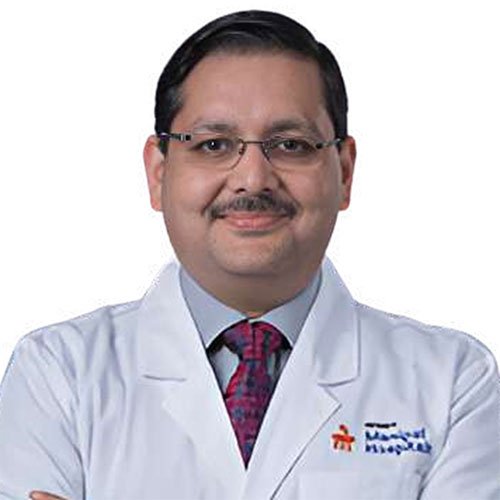
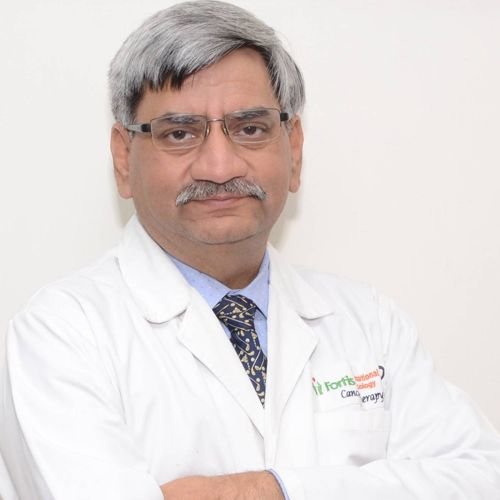
Specialists in Cancer & Oncology
Senior consultants treating this condition at our partner hospitals.


Find out what your treatment would cost
A senior specialist reviews your reports and sends a written plan within 48 hours. Free, with no obligation.