When it is your child, nothing else matters and no distance is too far. Pediatric surgery in Delhi NCR brings together congenital heart, spine, and orthopedic teams who operate on children every day, at a fraction of the cost abroad.
Share your child's reports & get a free expert opinion + cost estimate within 24 hours.
Pediatric surgery in Delhi NCR covers pediatric ASD and VSD repair, Tetralogy of Fallot (TOF) repair, the arterial switch operation, pediatric spina bifida, pediatric foot deformities, and pediatric scoliosis and kyphosis surgery. Nobel Medi Assistance connects you with the leading pediatric hospitals in Delhi NCR at JCI and NABH accredited centres with dedicated pediatric cardiac, neurosurgery, and orthopedic teams and pediatric ICUs, arranges a free second opinion and a written cost estimate, and supports families with medical visa and travel help. For a free case review, contact our team.
Children are not small adults, and this is the single most important thing to understand about pediatric surgery. A newborn's heart is the size of a walnut, their tissues heal and grow in ways an adult's do not, and an operation done well at the right age can set up a lifetime of normal development, while the same problem left too long can become far harder to fix. That is why pediatric surgery belongs with surgeons and anaesthetists who work on children every day, in hospitals built around them with dedicated pediatric intensive care. This guide covers the two big clusters that bring families to Delhi NCR: congenital heart surgery, meaning pediatric ASD and VSD repair, Tetralogy of Fallot, and the arterial switch operation, and pediatric spine and orthopedic surgery, meaning spina bifida, foot deformities, and scoliosis and kyphosis. It explains what each involves, indicative costs, the leading pediatric hospitals in Delhi NCR, how to choose the right centre, and how we plan the journey for your family.
Dedicated children's teams, high congenital surgery volumes, and outcomes that match the West.
The leading pediatric hospitals in Delhi NCR have dedicated pediatric cardiac, neurosurgery, and orthopedic teams with pediatric anaesthetists and pediatric ICUs. Your child is not fitted into an adult list.
Delhi NCR centres perform large numbers of congenital heart operations a year, including complex neonatal repairs like the arterial switch. In pediatric surgery, that volume is directly tied to survival.
A TOF repair or scoliosis correction in Delhi NCR costs a fraction of the Western price. We arrange the medical visa, interpreter, and a stay that lets a parent remain with their child throughout.
The reason to travel for pediatric surgery is not cost first, it is expertise, and the cost simply makes that expertise reachable. Delhi NCR is home to some of India's busiest congenital heart programmes, and congenital cardiac surgery is a field where the relationship between a centre's volume and a child's survival is one of the best documented in all of medicine. A team that performs the arterial switch operation regularly, on newborns in their first days of life, achieves results that an occasional operator cannot. The same principle holds for pediatric scoliosis, spina bifida, and complex foot reconstruction: these are done best by surgeons who do them all the time, in children specifically.
What makes a hospital genuinely pediatric is the whole system around the surgeon. A dedicated pediatric cardiac ICU with staff trained to read a deteriorating infant, pediatric anaesthetists who manage tiny airways and fluid balance, pediatric perfusionists running the bypass machine at neonatal settings, child-sized equipment, and nurses who care for frightened children and exhausted parents. The leading pediatric hospitals in Delhi NCR have built exactly this, and it is what separates a real children's surgical programme from a general hospital that occasionally operates on a child.
For international families, we understand that this is different from any other kind of medical travel. You are bringing your child, often a baby, sometimes for surgery that cannot wait. Nobel Medi Assistance arranges the medical visa invitation, interpreters, and accommodation close to the hospital so a parent can stay with their child throughout, and we coordinate the whole journey so you can focus entirely on them. We have supported many young patients already, including Maryam's successful scoliosis surgery. See our overview of pediatric treatment in India.
Pediatric ASD and VSD repair, Tetralogy of Fallot, arterial switch, spina bifida, foot deformities, and scoliosis and kyphosis make up much of pediatric surgery in Delhi NCR.
ASD and VSD are holes in the heart, and they are the most common congenital heart defects of all. An atrial septal defect is a hole in the wall between the two upper chambers; a ventricular septal defect is a hole between the two lower chambers. The first thing many parents need to hear is reassuring: small defects often close on their own in the early years and need only monitoring, not surgery. When a hole is large, though, it lets too much blood flow to the lungs, which over time strains the heart and lungs, and then it does need closing, ideally in early childhood before that strain causes lasting damage. There are two routes. Many ASDs, and some VSDs in the right position, can be closed without surgery at all, through a device delivered by a catheter passed up from a vein in the leg, so there is no chest incision and the child goes home in a day or two. Where the defect is large or awkwardly placed, open surgical repair on cardiopulmonary bypass is the definitive fix, patching the hole through an incision, and results in experienced pediatric hands are excellent with a very high success rate. The right choice depends on the exact size and position, which is why assessment at a proper pediatric cardiac centre matters. Pediatric ASD and VSD repair in Delhi NCR is coordinated with our cardiac surgery team. See pediatric cardiology treatment in India.
Tetralogy of Fallot is the most common cause of a blue baby, and its name comes from four defects that occur together: a large VSD, a narrowing of the route from the heart to the lungs, an aorta that sits over both chambers, and a thickened right pumping chamber. The result is that oxygen-poor blood is pumped around the body, so the baby looks blue, especially when crying or feeding. It sounds frightening, and it is serious, but it is also one of the great success stories of modern surgery. Complete repair is open heart surgery, usually in the first several months of life, in which the surgeon closes the VSD with a patch and relieves the narrowing so blood flows properly to the lungs. Occasionally a very small or very sick baby has a temporary shunt placed first to improve blood flow, with the full repair done a little later. What parents most want to know is the outlook, and it is genuinely good: after successful repair the great majority of children grow up to lead active, normal lives, attending school and playing like their peers, though they need lifelong cardiology follow-up because some need a further procedure on the pulmonary valve in later years. This is a defining example of why pediatric cardiac volume matters, and TOF repair in Delhi NCR is performed at centres that do these operations regularly. See pediatric cardiac surgery in India.
The arterial switch operation is one of the most remarkable procedures in all of surgery, and understanding what it fixes shows why. In transposition of the great arteries, a baby is born with the two main arteries connected to the wrong chambers, so oxygen-poor blood circles the body and oxygen-rich blood circles uselessly back to the lungs. Without intervention it is not survivable, because the two circulations run in parallel instead of in series. The arterial switch corrects this at the source: the surgeon divides both great arteries and reconnects them to the correct chambers, and, in the most delicate part, detaches the tiny coronary arteries that feed the heart itself and reattaches them to the new aorta. In a newborn these coronary arteries are barely a millimetre or two across. This is why timing is critical, the operation is typically done within the first two weeks of life, and why it must be done by a highly experienced neonatal cardiac team. It is precisely the kind of operation where choosing a high-volume centre is not a preference but a necessity. The reward is proportionate: a successful arterial switch gives the child an anatomically normal circulation and an excellent long-term outlook. The arterial switch operation in Delhi NCR is available at select high-volume pediatric cardiac centres in our network, and if your baby has this diagnosis, contact us urgently so we can move quickly.
Spina bifida is a condition present from birth in which the spine and the covering of the spinal cord do not close fully during pregnancy. It ranges enormously in severity, and that range is the first thing for families to understand. The mildest form, spina bifida occulta, is common, often causes no problems at all, and may never need treatment. The serious form, myelomeningocele, where the spinal cord and nerves are exposed in a sac on the baby's back, needs surgery in the first days of life to close the defect, protect the cord, and reduce the risk of infection. A large proportion of these babies also develop hydrocephalus, a build-up of fluid on the brain, which is treated by inserting a shunt to drain it, and our pediatric neurosurgery team manages both together. Honesty matters here more than reassurance: spina bifida surgery closes the defect and protects what function the child has, but it cannot reverse nerve damage that is already present, so the effects on movement, bladder, and bowel depend on the level and severity of the lesion. That is why these children are best cared for by a multidisciplinary team, neurosurgery, urology, orthopedics, and physiotherapy together, over years rather than in a single operation. A smaller number of older children need surgery for a tethered spinal cord. Pediatric spina bifida surgery in Delhi NCR is performed at centres with dedicated pediatric neurosurgery and the wider team these children need.
The commonest serious foot deformity a baby is born with is clubfoot, where one or both feet turn sharply inward and downward, and here there is genuinely good news that every parent should hear: it is highly treatable, and usually without major surgery. The gold standard worldwide is the Ponseti method, and it is not an operation but a technique. Started in the first weeks of life, the foot is gently manipulated into a better position and held with a plaster cast, changed weekly over about six to eight weeks, gradually correcting the deformity. Most babies then need a minor clinic procedure to release the tight heel cord, followed by a foot brace worn at night for several years to hold the correction and prevent relapse. Done properly, the Ponseti method corrects the great majority of clubfeet and gives a child a functional, pain-free foot they can run and play on. The part that fails children is not the technique but the follow-through, because families give up the night brace too early and the clubfoot returns, so commitment to the bracing phase is everything. Beyond clubfoot, we also arrange care for vertical talus, complex and syndromic foot deformities, and deformities associated with conditions like spina bifida or cerebral palsy, some of which do need reconstructive surgery in older children. Pediatric foot deformity treatment in Delhi NCR is coordinated with our orthopedic team.
Scoliosis is a sideways curvature of the spine and kyphosis is an excessive forward rounding, and in children the crucial factor that changes everything is growth. A curve can worsen quickly during a growth spurt, which is why early assessment and monitoring matter so much, and why the treatment depends heavily on the child's age and how much growing is left. Many mild curves need only observation, watched with periodic X-rays. Moderate curves in a still-growing child are often managed with a well-fitted brace, worn to stop the curve progressing while the child grows, which can avoid surgery altogether. Surgery is reserved for severe or rapidly progressing curves, and modern pediatric spine surgery is highly sophisticated. In older children and adolescents whose growth is nearly complete, spinal fusion with instrumentation straightens and stabilises the spine permanently. In much younger children, where fusing the spine would stunt the growth of the chest and lungs, growth-friendly techniques such as growing rods or magnetically controlled rods are used instead, correcting the curve while still allowing the spine to lengthen as the child grows, with adjustments made over time. This is demanding surgery that belongs with a dedicated pediatric spine team, and it is coordinated with our spine and neurosurgery team. See Maryam's scoliosis surgery story.
Beyond these six, our network covers the full breadth of pediatric surgery in Delhi NCR, including other congenital heart defects, pediatric urology, cleft lip and palate, pediatric general surgery, pediatric cancer and bone marrow transplant, and pediatric neurology. See our overview of pediatric treatment in India.
The pediatric hospitals in Delhi NCR we work with manage the full spectrum of congenital and childhood surgical conditions.
Congenital heart surgery is where the saving against Western prices is largest, and where a centre's experience matters most.
The figures below are indicative ranges for pediatric ASD and VSD repair, Tetralogy of Fallot, arterial switch, spina bifida, foot deformity treatment, and scoliosis and kyphosis surgery, to help you plan rather than fixed quotes. Pediatric surgery in Delhi NCR runs at a fraction of Western costs, and Nobel Medi Assistance provides a personalised, itemised estimate once we review your child's reports.
| Pediatric Procedure in Delhi NCR | Indicative Cost (INR) | Indicative Cost (USD) | Hospital Stay |
|---|---|---|---|
| ASD / VSD Device Closure (catheter) | ₹2,50,000 to ₹4,50,000 | $3,200 to $5,500 | 1 to 2 days |
| ASD / VSD Open Surgical Repair | ₹3,00,000 to ₹5,50,000 | $3,800 to $7,000 | 5 to 7 days |
| Tetralogy of Fallot (TOF) Repair | ₹4,00,000 to ₹6,50,000 | $5,000 to $8,000 | 7 to 10 days |
| Arterial Switch Operation | ₹5,50,000 to ₹9,00,000 | $7,000 to $11,500 | 2 to 3 weeks |
| Spina Bifida Closure (+ shunt if needed) | ₹2,50,000 to ₹5,00,000 | $3,200 to $6,200 | 1 to 2 weeks |
| Clubfoot (Ponseti, full course) | ₹60,000 to ₹1,50,000 | $750 to $1,900 | Mostly outpatient |
| Scoliosis / Kyphosis Fusion Surgery | ₹5,00,000 to ₹9,50,000 | $6,200 to $12,000 | 7 to 10 days |
| Growing Rods (per procedure) | ₹4,50,000 to ₹8,00,000 | $5,500 to $10,000 | 5 to 7 days |
Note: Costs are approximate and change with the child's age and weight, the complexity of the defect, implant and device brand, and any pediatric ICU time needed. Neonatal surgery on a very small or very sick baby costs more because of the intensive care involved. Growing rod treatment for young children involves repeated lengthening procedures, so budget for the full course. Ask us for a written estimate before you decide.
Two things are worth understanding before you compare quotes. First, in pediatric heart surgery the quoted figure assumes an uncomplicated course, and a newborn or a very sick child may need extended pediatric ICU time, which is the main variable, so ask what the estimate assumes and what ICU costs per day if it runs longer. Second, for conditions treated over time rather than in one operation, clubfoot with its bracing years, or a young child's scoliosis managed with growing rods that are lengthened repeatedly, the meaningful number is the cost of the whole pathway, not the first procedure. Some Indian charitable and government schemes support congenital heart surgery for children, and for international families we arrange transparent all-inclusive packages. Nobel Medi Assistance never marks up hospital pricing. Ask us for a written estimate →
Empanelled with the leading children's cardiac, neurosurgery, and orthopedic programmes across Delhi NCR, matched to your child's condition.
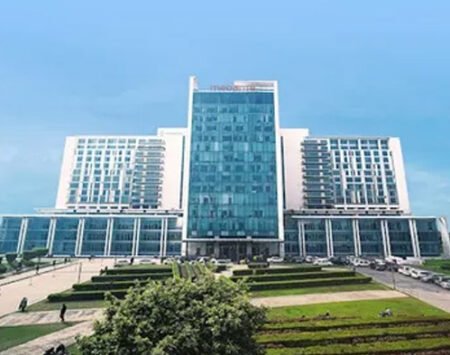
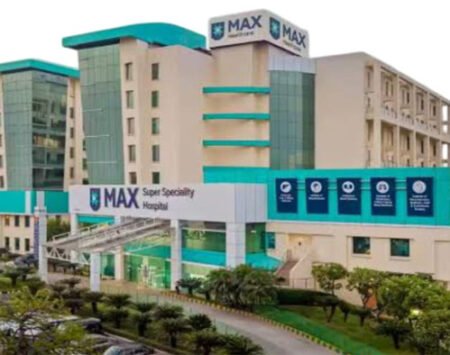
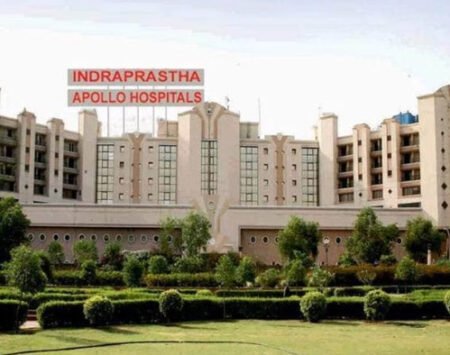
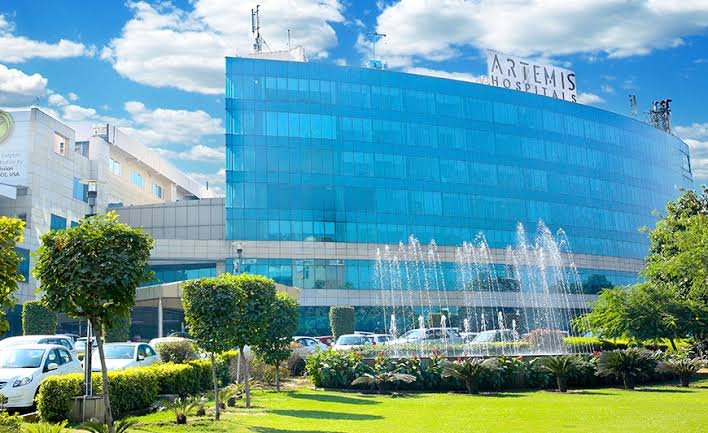
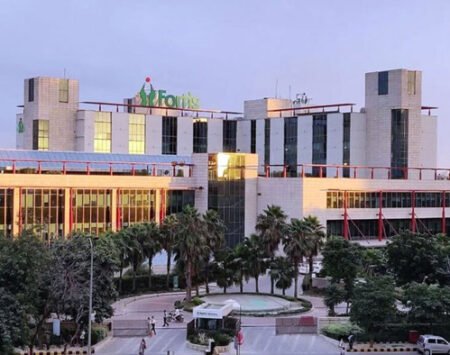
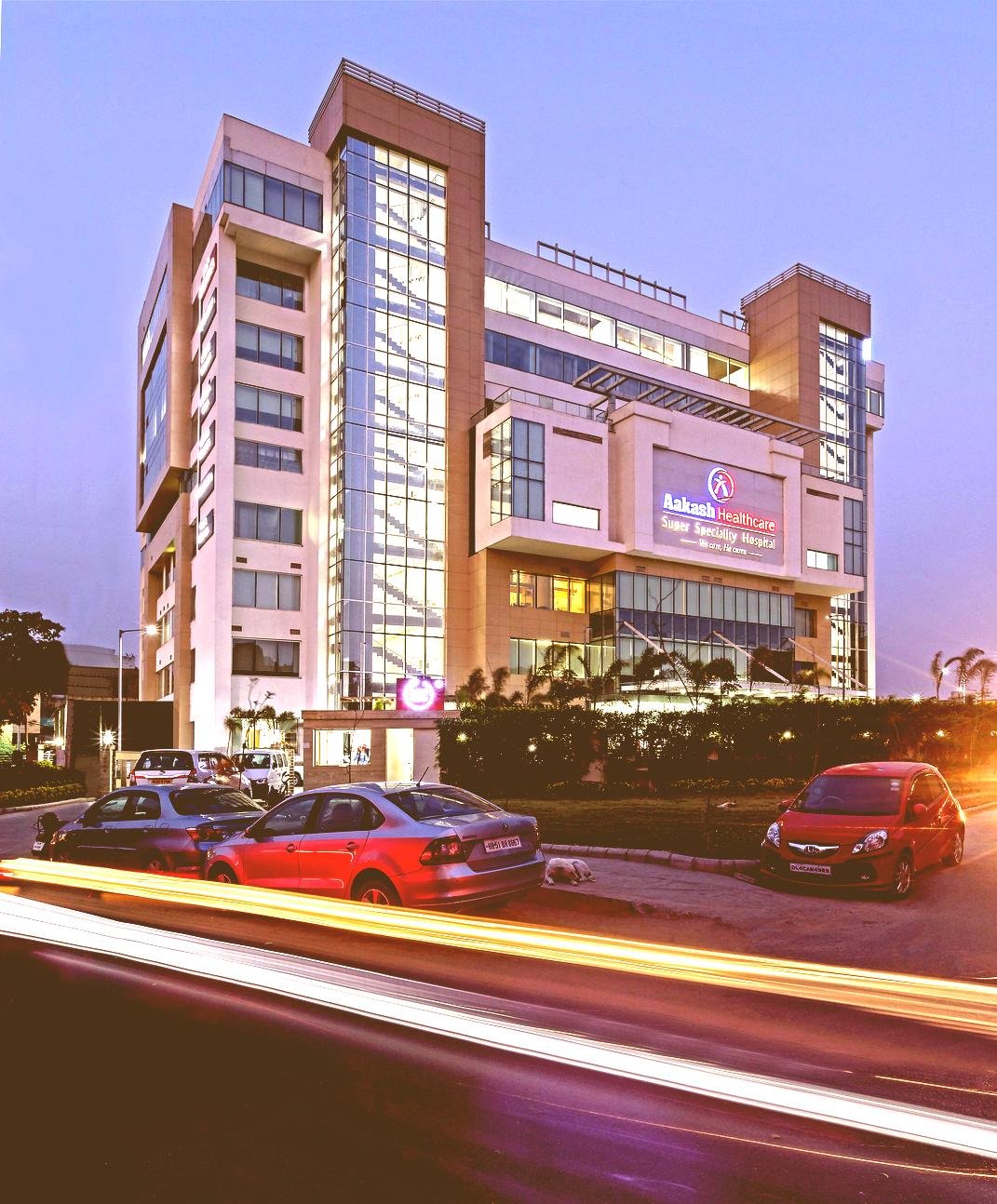
The strength of pediatric surgery in Delhi NCR rests on these hospitals and their dedicated children's teams. Nobel Medi Assistance is empanelled with the leading pediatric hospitals in Delhi NCR, so we can match your child's condition to the right programme rather than the priciest one. Between them they cover congenital heart surgery from device closures to the neonatal arterial switch, pediatric neurosurgery for spina bifida and hydrocephalus, pediatric orthopedics and spine surgery for scoliosis and foot deformities, all backed by dedicated pediatric intensive care. The point to hold onto is that a children's surgical programme is more than a surgeon: it is the pediatric ICU, the pediatric anaesthetists, and the whole team around your child. We help you choose a centre that has all of it for your child's specific condition, and we can also connect you with dedicated children's hospitals beyond this list where a case calls for it.
For a child, the right questions are different from an adult's. Here is what we check on your behalf, and what you should ask too.
Choosing where to take a child for surgery is the hardest decision a parent faces, and it deserves better than a list of names we cannot verify with certainty. Pediatric surgery is highly subspecialised, a congenital heart surgeon, a pediatric neurosurgeon, and a pediatric spine surgeon are three different experts, and what matters is matching your child to the one who treats their exact condition, in children, all the time. Rather than publish profiles we are not certain of, we would rather do that matching properly for your child's specific diagnosis. Here is what we look for, and what you should ask.
Ask whether the hospital has a dedicated pediatric ICU, pediatric anaesthetists, and pediatric-trained nurses, not just an adult unit that admits children. For congenital heart surgery this is non-negotiable.
Ask how many of your child's specific procedure the team performs each year. For the arterial switch or complex scoliosis, high annual volume is one of the strongest predictors of a good outcome there is.
Spina bifida needs neurosurgery, urology, and orthopedics together. A good centre coordinates that team around your child rather than treating one problem in isolation.
The best pediatric surgeons are straight about what surgery can and cannot fix, and about the right age to operate. We value that candour and look for it on your behalf.
Send us your child's diagnosis and reports, and we will match them to the right pediatric team and the right hospital in Delhi NCR for their specific condition, with a free second opinion at no cost. Send us the reports to start, in complete confidence, and if the case is urgent, tell us and we will move quickly.
Bringing a child for surgery is unlike any other journey. What sets us apart for pediatric surgery in Delhi NCR is the depth of support around the whole family.
Matched to a centre with a real pediatric ICU and the right subspecialist
Partner hospitals, matched to your child not the priciest
Free second opinion from a senior pediatric specialist
Visa invitation, interpreter, and a stay so a parent is always beside their child
Transparent, itemised estimates with no hidden facilitator fees
See real journeys on our patient testimonials page, including Maryam's successful scoliosis surgery, and learn more about us.
Arranging pediatric surgery in Delhi NCR for a child, often from another country, takes care and speed. As a medical assistance company based in Delhi, we manage the whole path:
Share your child's echo, scans, or reports and we get a senior pediatric specialist's opinion within 48 hours, faster if urgent.
An itemised estimate across matched pediatric centres, with the procedure and any device named.
Medical visa invitation for the child and both parents where needed, flights, and a stay near the hospital.
Airport pickup, a dedicated coordinator, interpreter support, and a parent beside the child throughout.
Pediatric ICU and ward care, and teleconsults after you fly home, with fit-to-fly confirmed first.
This end-to-end support is what lets a family focus entirely on their child, which is the only thing that matters, while we handle every logistical detail of pediatric surgery in Delhi NCR.
The workup is tailored to the child and the condition, and much of it can be reviewed from reports you already have before you travel, which spares a family an unnecessary journey. For congenital heart conditions like ASD, VSD, Tetralogy of Fallot, and transposition, the central test is an echocardiogram, an ultrasound of the heart that shows the defect in detail, sometimes supported by a CT or MRI angiogram and, in select cases, a cardiac catheterisation. For spina bifida, an MRI of the spine and brain maps the defect and checks for hydrocephalus. For scoliosis and kyphosis, standing spine X-rays measure the curve angle, with an MRI to assess the cord, and the curve is tracked over time. For foot deformities, clinical examination and X-rays guide the plan. Alongside these, a child needs baseline blood tests, and for any operation on bypass, careful assessment of weight and growth, because dosing and equipment are sized to the child. Our coordinators review your child's existing reports first and tell you exactly what is still needed, so nothing is missing on the day.
Children often recover faster than adults, but the path depends entirely on the operation, and honest expectations help a family cope. After congenital heart surgery, a child spends time in the pediatric cardiac ICU first, then a ward, with a total stay of one to three weeks depending on the defect, and most children are remarkably active again within weeks though full recovery and cardiology follow-up continue for months. After spina bifida closure, the newborn is monitored closely, and if a shunt was placed for hydrocephalus it needs lifelong watching for blockage. Clubfoot treatment is mostly outpatient but demands commitment to the night brace for years, and this is where families need the most encouragement. After scoliosis fusion, a child is usually walking within days and back to school in a few weeks, avoiding contact sports for several months while the fusion heals. The theme across all of it is that pediatric surgery is often the start of a longer journey of follow-up rather than a single event, and Nobel Medi Assistance stays reachable for teleconsults after you return home, and confirms your child is fit to fly before you leave.
Scroll within the panel below for all 10 questions on pediatric surgery in Delhi NCR.
Scroll for more questions
Whether your child needs ASD or VSD repair, Tetralogy of Fallot or arterial switch surgery, spina bifida care, foot deformity treatment, or scoliosis and kyphosis surgery, Nobel Medi Assistance connects you with the right pediatric team and hospital for safe, affordable pediatric surgery in Delhi NCR. Share your child's case today, in complete confidence, and let us handle the rest.
Nobel Medi Assistance is a Delhi-based medical tourism company connecting patients with India’s leading JCI and NABH accredited hospitals and specialists. From the first enquiry to full recovery, we handle everything: free medical second opinions, transparent cost estimates, medical visa support, travel, and 24/7 multilingual care. Trusted by patients from over 47 countries, we make world-class treatment in India simple, affordable, and stress-free.