
Urological problems are the ones people put off talking about, and that delay is the only part that is genuinely dangerous. Urology surgery in India is discreet, robotic where it matters, and costs a fraction of what it does abroad.
Share your CT, ultrasound or PSA reports & get a free expert opinion + cost estimate within 24 hours.
Urology surgery in India covers the full range of kidney, bladder, prostate, and male reproductive treatment, including prostate cancer, nephrectomy or kidney removal surgery, penile implant, urethroplasty, and kidney stone surgery. Nobel Medi Assistance connects you with the leading urology hospitals in India and senior urology doctors in India at JCI and NABH accredited centres, arranges a free second opinion and a written cost estimate, and supports Indian and international patients with complete discretion. For a free case review, contact our team.
Delhi and the wider NCR region hold the deepest concentration of robotic urology expertise in India, and that is not a small detail. Urology was the first specialty to adopt the surgical robot seriously, because the prostate sits deep in the pelvis surrounded by the nerves that control continence and erections, and millimetres decide whether a man leaves cured but also intact. The best urology hospitals in India run robotic surgery, Holmium and Thulium laser systems, and dedicated uro-oncology and andrology units, which is why urology surgery in India draws patients from every corner of the country and abroad. This guide walks you through every major area of urology surgery in India, what each involves, indicative costs, the leading urology hospitals in India, the urology doctors in India we work with, and how Nobel Medi Assistance plans the whole journey for you.
Robotic precision, laser technology, and the discretion these conditions deserve.
India pioneered robotic urology through its Delhi NCR centres, and the world's first robotic kidney transplant was performed here. For prostate cancer surgery, robotic precision is what protects continence and potency.
Holmium and Thulium lasers dissolve kidney stones and treat an enlarged prostate through the natural passage, with no incision at all. Most kidney stone surgery here is now day care.
Penile implant, urethroplasty, and male infertility care are handled discreetly by dedicated andrology units, at a fraction of what the same procedure costs in the UK, US, or Gulf.
Urology is the specialty where patients wait longest before seeking help, and where waiting costs the most. A rising PSA, blood in the urine, or a stone that keeps recurring are all problems that are straightforward when addressed early and serious when ignored. Part of what makes urology surgery in India attractive is simply that it is easy to get a senior opinion quickly and privately, without the months-long waiting lists common elsewhere.
Technology is the first reason patients travel here. Urology drove the adoption of robotic surgery worldwide, and India led that adoption from the front, to the point where the world's first robotic kidney transplant with regional hypothermia was performed in Gurugram. In prostate cancer, robotic radical prostatectomy allows nerve-sparing dissection that a human hand through an open incision simply cannot match, and that decides whether a man is continent and potent afterwards. In stone disease, Holmium and Thulium lasers have made open surgery almost obsolete: stones are now reached through the natural urinary passage and dusted into fragments that wash out. The leading urology hospitals in India run all of this as routine, and it is the main reason urology surgery in India has the reputation it does.
Volume is the second reason. Several urology doctors in India have performed thousands of stone procedures and hundreds of robotic prostatectomies each, and some have five figures of urological procedures behind a career. Affordability is the third. Urology surgery in India runs at a fraction of Western costs using the same robotic platforms and the same implants. For international patients we add visa support, interpreters, and accommodation, all handled with the discretion these conditions deserve. See our overview of urology treatment in India and nephrology and urology treatment in India.
Prostate cancer, nephrectomy or kidney removal surgery, penile implant, urethroplasty, and kidney stone surgery make up most urology surgery in India.
Prostate cancer is the most common cancer in men worldwide, and it is unusual in one important respect: many prostate cancers grow so slowly that treating them causes more harm than watching them. That is why the first honest question is not how to treat it but whether to treat it now. Low-risk disease is often managed with active surveillance, meaning regular PSA tests, MRI, and repeat biopsy, with treatment held in reserve. When treatment is needed, the two main options are surgery and radiation, and they have similar cure rates for localised disease. Robotic radical prostatectomy removes the prostate through small keyhole incisions, and the robot's articulated instruments allow nerve-sparing dissection that protects the neurovascular bundles controlling erections, along with careful reconstruction that protects continence. This is the single clearest example in all of surgery where the surgeon's volume and the technology genuinely change the life you live afterwards. Radiation is the alternative, delivered as IMRT over several weeks or as brachytherapy seeds placed inside the gland, and for older men or those unfit for surgery it is often the better choice. Advanced disease is managed with hormone therapy, chemotherapy, and newer targeted agents. Diagnosis has improved enormously through multiparametric MRI followed by targeted fusion biopsy, which finds significant cancers while avoiding the over-diagnosis of harmless ones. Prostate cancer treatment in India is coordinated with our oncology team. Read more about prostate cancer treatment in India.
Nephrectomy means removing a kidney, and the first thing worth knowing is that most people live a completely normal life with one. The commonest reason is kidney cancer, and here the approach has shifted decisively. Where the tumour is small, surgeons now perform a partial nephrectomy, removing only the tumour and preserving the rest of the kidney, which protects long-term kidney function and matters enormously if the other kidney ever fails. A radical nephrectomy, removing the whole kidney, is reserved for larger or more central tumours. Either can be done through open surgery, laparoscopically, or robotically, and robotic partial nephrectomy in particular is technically demanding because the surgeon must clamp the blood supply, excise the tumour, and reconstruct the kidney within a limited window. That is precisely the kind of case where a high-volume centre matters. Kidney removal surgery is also performed for a kidney destroyed by chronic infection or obstruction, for a non-functioning kidney causing uncontrolled blood pressure, and as donor nephrectomy in living kidney transplant, where the donor's safety is the absolute priority and the operation is done laparoscopically to minimise recovery. Nephrectomy or kidney removal surgery in India is performed at centres with robotic platforms and dedicated uro-oncology teams. If a transplant is in question, see kidney transplant in India and our top kidney transplant doctors.
A penile implant, properly called a penile prosthesis, is the definitive treatment for erectile dysfunction when tablets, injections, and vacuum devices have stopped working or were never suitable. It deserves to be discussed plainly, because embarrassment is the main reason men live with a treatable condition for years. The situations where it is genuinely the right answer are well defined: severe ED after prostate cancer surgery or pelvic radiation, long-standing diabetes, Peyronie's disease with significant deformity, and post-priapism fibrosis. There are two types. A malleable or semi-rigid implant is a pair of bendable rods, simple, reliable, and the lower cost option. A three-piece inflatable implant is the more sophisticated device, with cylinders in the penis, a pump concealed in the scrotum, and a fluid reservoir, and it produces an erection that is far closer to natural in both rigidity and flaccid appearance. Satisfaction rates for inflatable implants are among the highest of any procedure in medicine, consistently reported above ninety percent for both patients and partners, largely because expectations are set properly beforehand. The operation takes about an hour, most men go home the next day, and the device is used from around six weeks. It is irreversible, since the natural erectile tissue is dilated to place the cylinders, so it is a considered decision rather than a first step. Penile implant surgery in India is performed by dedicated andrology units with complete discretion, and Nobel Medi Assistance handles these enquiries confidentially.
A urethral stricture is scar tissue narrowing the tube that carries urine out of the body, and it announces itself with a weak stream, straining, incomplete emptying, and recurrent infections. It follows injury, catheterisation, infection, or previous surgery. The important thing to understand is the difference between the quick fix and the real fix. Dilatation and internal urethrotomy, where the stricture is stretched or cut through a scope, are easy and appealing, but the recurrence rate after a second attempt is very high, and each failed attempt makes the scar worse and the eventual reconstruction harder. Urethroplasty is the definitive answer: open reconstructive surgery with success rates typically in the eighty-five to ninety-five percent range, done once and done properly. For a short stricture, the scarred segment is excised and the healthy ends joined directly. For longer strictures, the urethra is widened with a graft, usually buccal mucosa taken from the inside of the cheek, which is ideal because it is thin, tough, and used to a wet environment, and the cheek heals within weeks. Complex or repeat cases may need a staged reconstruction over two operations. Urethroplasty is genuine reconstructive surgery and belongs with a reconstructive urologist rather than a general urologist, and this is one area where we are firm about the referral. Urethroplasty in India is available at centres with dedicated reconstructive urology expertise.
Anyone who has passed a kidney stone will tell you it is among the worst pain a person can experience, and North India has one of the highest stone rates in the country thanks to heat, dehydration, and diet. The good news is that open surgery for stones has essentially disappeared. Small stones under about five millimetres usually pass on their own with fluids and medication. Beyond that, the choice depends on size and location. ESWL, or shock wave lithotripsy, breaks a stone from outside the body with focused sound waves and needs no incision or anaesthetic in most cases, though it works best on smaller, softer stones. RIRS, retrograde intrarenal surgery, passes a flexible scope up through the natural passage into the kidney and uses a Holmium or Thulium laser to dust the stone into powder that simply washes out, with no cut at all. PCNL, percutaneous nephrolithotomy, is reserved for large or staghorn stones and uses a small tract through the back directly into the kidney, and mini-PCNL versions have made even this far gentler. URSL handles stones stuck in the ureter. Most kidney stone surgery in India is now day care or a single overnight stay, and patients are usually back at work within days. What matters just as much is preventing the next one, since recurrence rates approach fifty percent within five years, so a proper metabolic evaluation with stone analysis and a twenty-four hour urine study should follow, along with the unglamorous advice that actually works: drink enough water. Kidney stone surgery in India is available at every centre in our network.
Beyond these five, our network covers the full breadth of urology surgery in India, including bladder cancer and TURBT, kidney and testicular cancer, adrenal tumours, enlarged prostate treated by TURP or Holmium laser enucleation, kidney transplant, male infertility and varicocele, urinary incontinence, pelvic floor and female urology, and paediatric urology. Many of these are now performed with robotic surgery.
The urology hospitals in India we work with manage the full spectrum of kidney, bladder, prostate, and male health conditions.
Robotic assistance and implant choice are what move these numbers most, which is why two quotes for the same operation can look very different.
The figures below are indicative ranges for prostate cancer, nephrectomy or kidney removal surgery, penile implant, urethroplasty, and kidney stone surgery, to help you plan rather than fixed quotes. Urology surgery in India stays affordable across every category compared with the same procedure abroad, and Nobel Medi Assistance provides a personalised, itemised estimate once we review your reports.
| Urology Surgery in India | Indicative Cost (INR) | Indicative Cost (USD) | Hospital Stay |
|---|---|---|---|
| Robotic Radical Prostatectomy | ₹4,00,000 to ₹7,50,000 | $5,000 to $9,500 | 3 to 5 days |
| Prostate Radiation (IMRT, full course) | ₹2,50,000 to ₹5,50,000 | $3,200 to $7,000 | Day care, 5 to 7 weeks |
| Nephrectomy (laparoscopic / robotic) | ₹2,50,000 to ₹5,50,000 | $3,200 to $7,000 | 4 to 7 days |
| Penile Implant (malleable) | ₹2,00,000 to ₹3,50,000 | $2,500 to $4,500 | 1 to 2 days |
| Penile Implant (3-piece inflatable) | ₹5,50,000 to ₹9,00,000 | $7,000 to $11,500 | 1 to 2 days |
| Urethroplasty | ₹1,50,000 to ₹3,50,000 | $1,900 to $4,500 | 2 to 4 days |
| Kidney Stone Surgery (RIRS / laser) | ₹1,50,000 to ₹2,80,000 | $1,900 to $3,500 | Day care to 2 days |
| Kidney Stone Surgery (PCNL) | ₹1,20,000 to ₹2,50,000 | $1,500 to $3,200 | 2 to 4 days |
| ESWL (shock wave lithotripsy) | ₹30,000 to ₹70,000 | $400 to $900 | Day care |
Note: Costs are approximate and change with hospital, surgeon, device brand, and clinical complexity. The gap between malleable and inflatable penile implants is almost entirely the device itself. Robotic assistance typically adds ₹1,00,000 to ₹2,00,000 over the laparoscopic equivalent. Ask us for a written estimate before you decide.
Three things are worth understanding before you compare quotes for urology surgery in India. First, in penile implant surgery the device is most of the cost, so ask which implant and which manufacturer, because a low quote usually means a malleable rod rather than an inflatable system, and those are very different products. Second, ask whether robotic assistance is included, since a robotic prostatectomy quoted at a laparoscopic price is not the same operation. Third, most Indian health insurance plans cover urology surgery in India including stone surgery and cancer, though penile implants are frequently excluded as they are classed as lifestyle rather than medical, so check that specifically. International patients usually pay through transparent all-inclusive packages. Nobel Medi Assistance never marks up hospital pricing. Ask us for a written estimate →
Empanelled with the leading kidney, bladder, and prostate centres across Delhi NCR, matched to your case, not the most expensive option.
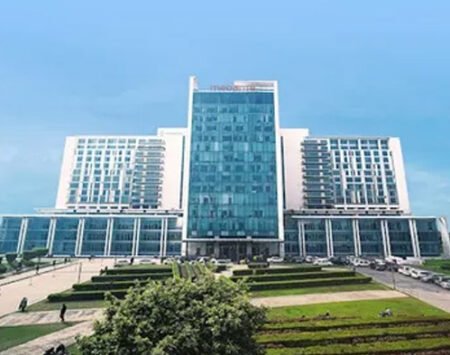
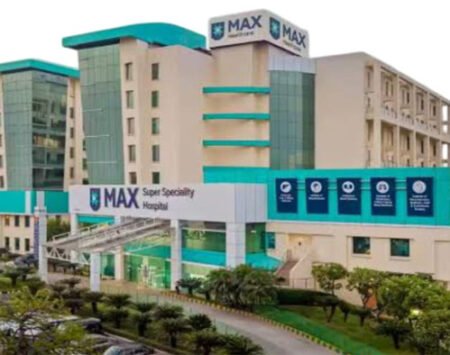
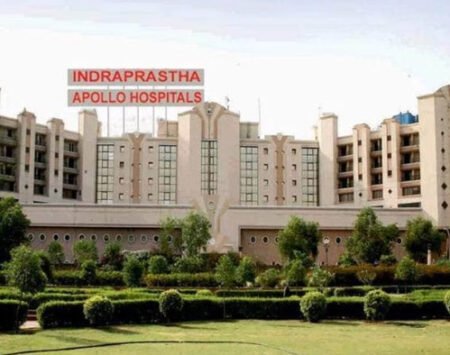
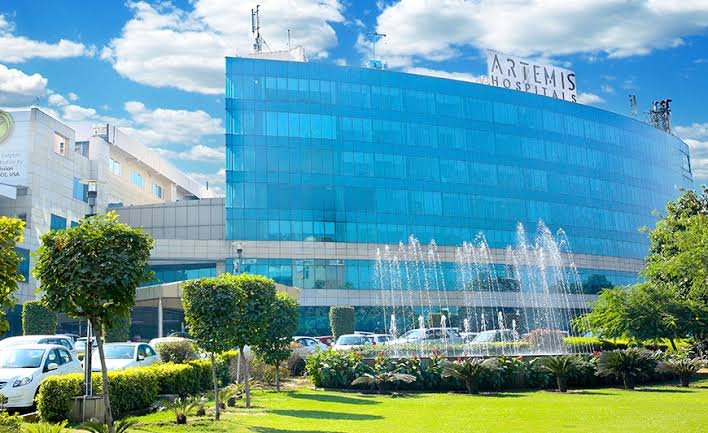
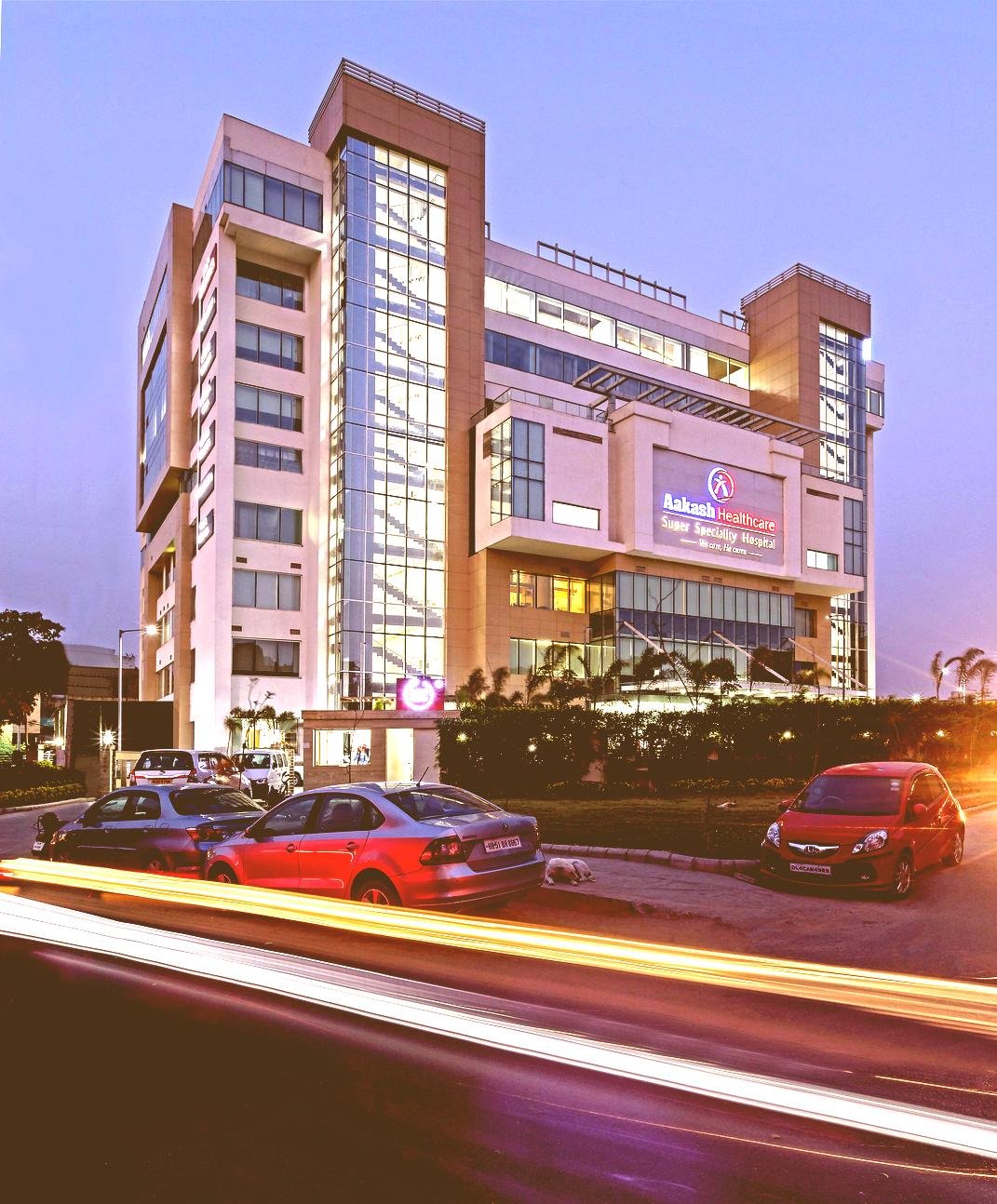
The strength of urology surgery in India rests on these hospitals and the teams inside them. Nobel Medi Assistance is empanelled with the leading urology hospitals in India, so we can match your case to the right centre rather than the priciest one. Between them they cover robotic prostatectomy and partial nephrectomy, Holmium and Thulium laser stone and prostate surgery, reconstructive urology for urethroplasty, dedicated andrology units for penile implant and male infertility, kidney transplant programmes, and full uro-oncology. Not every urology hospital in India does all of this equally well, and reconstructive urology in particular is concentrated in very few hands, which is exactly why the match matters. For a national list see the best hospitals for urology treatment in India.
Spread across Gurugram, Saket, Dwarka, and central Delhi, these centres mean world-class urology surgery in India is never far away, whichever part of the region a patient is coming from or flying into.
In robotic urology the surgeon's volume decides your quality of life afterwards. These are the names we route cases to.
The urology doctors in India who operate through the Nobel Medi Assistance network are among the most experienced in India, several of them pioneers of robotic urology and kidney transplant in the country. Just as importantly, they subspecialise, so we can match prostate cancer, a complex nephrectomy, a penile implant, a urethroplasty, or kidney stone surgery to the doctors for urology surgery in India who handle that exact problem week in and week out. Below are leading names, and you can view full profiles for our top kidney transplant and urology doctors in India.
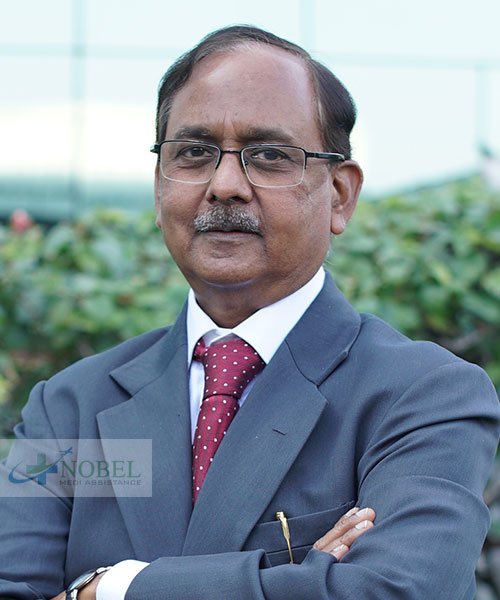
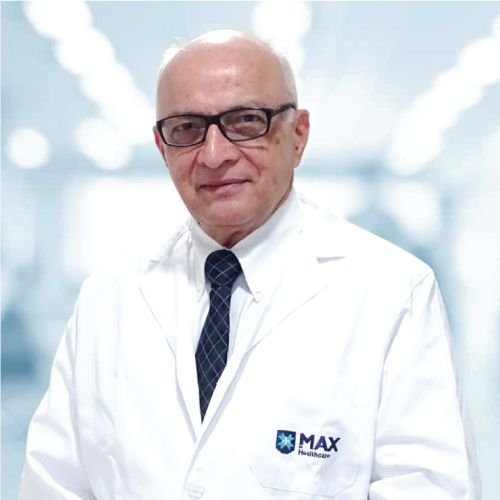

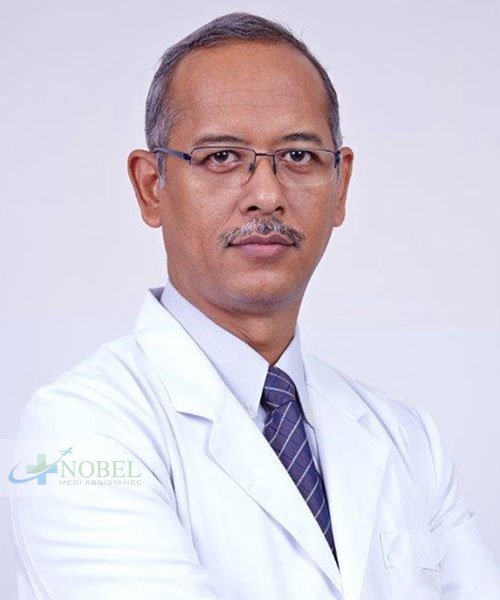
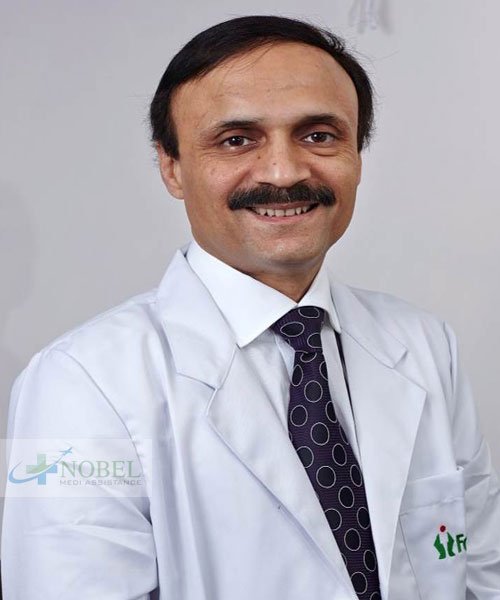

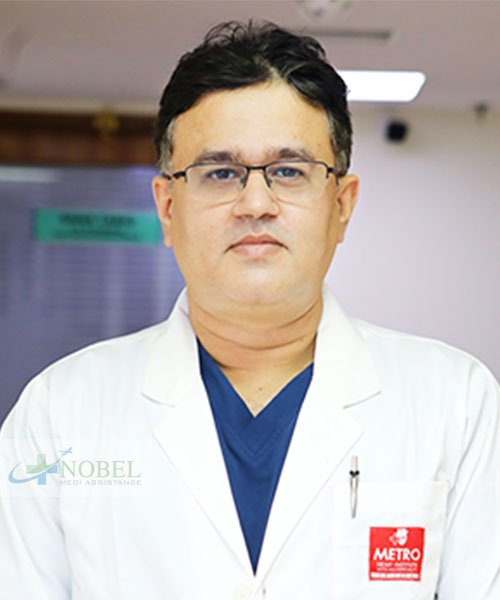

Not sure which urologist fits your case? Send us your reports and we will recommend the right urology doctors in India for your problem, along with a second opinion at no cost. All enquiries are handled with complete confidentiality.
Plenty of companies promise to arrange treatment. What sets us apart for urology surgery in India is the depth of support and a track record you can check.
Andrology and male health enquiries handled confidentially, always
Partner hospitals, matched to your case not the priciest
Free second opinion from a senior urologist
Visa invitation, interpreters, stay, and follow-up after you fly home
Device and implant brand named upfront, no hidden fees
See real outcomes and stories on our patient testimonials page, and learn more about us and how we work.
Real patients who came to India for urology and prostate treatment, in their own words.
Arranging urology surgery in India involves far more than booking an operation. As a medical assistance company based in Delhi, we manage the whole path:
Share your CT, ultrasound, PSA or biopsy reports and we get a senior urologist's opinion within 48 hours.
You receive a clear, itemised estimate with the device or implant named, across two or three matched centres.
For international patients, we assist with the medical visa invitation, flights, and stay near the hospital.
Airport pickup, a dedicated coordinator, interpreter support, and a discreet admission.
Post-operative care, teleconsults after you fly home, and help with any follow-up.
This end-to-end support is what makes urology surgery in India feel manageable rather than overwhelming, whether you are travelling from within the region or from another country.
Before any urology surgery in India, the team establishes exactly what is wrong and where. For prostate cancer that means a PSA blood test, a multiparametric MRI, and then a targeted fusion biopsy, with a PSMA PET-CT to stage the disease if it looks significant. For stones, a non-contrast CT of the kidneys, ureters, and bladder is the gold standard and shows size, position, and density, which decides whether laser or shock wave suits you. Kidney tumours are characterised on a contrast CT or MRI. Urethral strictures need a retrograde urethrogram to map the exact length and position, and that map is what the reconstructive plan is built on. Uroflowmetry measures the stream objectively, and kidney function bloods plus a urine culture round things out. These tests decide the whole approach, and our coordinators make sure everything the surgeon needs is ready before admission.
Recovery after urology surgery in India varies enormously by procedure, and honesty here matters more than reassurance. Kidney stone surgery is the gentlest: RIRS and ESWL are usually day care, a temporary stent may be left for a week or two and can feel uncomfortable, and most people are back at work within days. Nephrectomy means four to seven days in hospital and roughly four to six weeks to full activity. Urethroplasty needs a catheter for two to three weeks, and the success of the reconstruction is confirmed only after that comes out. Penile implants are used from about six weeks, once healing is complete. Robotic prostatectomy deserves the frankest conversation: the catheter stays about a week, and continence and erectile function return gradually over months rather than days, helped substantially by pelvic floor physiotherapy and penile rehabilitation. Anyone who promises you an instant return to normal is not telling you the truth. Nobel Medi Assistance builds that follow-up into the plan, and for international patients we confirm you are fit to fly before you leave.
Scroll within the panel below for all 10 questions on urology treatment in India.
Scroll for more questions
Whether you need prostate cancer treatment, nephrectomy or kidney removal surgery, a penile implant, urethroplasty, or kidney stone surgery, Nobel Medi Assistance connects you with the right urologist and hospital for affordable, safe urology surgery in India. Share your case today, in complete confidence, and let us handle the rest.







Nobel Medi Assistance is a Delhi-based medical tourism company connecting patients with India’s leading JCI and NABH accredited hospitals and specialists. From the first enquiry to full recovery, we handle everything: free medical second opinions, transparent cost estimates, medical visa support, travel, and 24/7 multilingual care. Trusted by patients from over 47 countries, we make world-class treatment in India simple, affordable, and stress-free.