
A transplant is the one operation that does not just treat a disease, it gives back a life that was being counted in months. Organ transplant in India combines some of the highest-volume programmes in the world with survival rates that match any Western centre.
Share your reports & get a free expert opinion + cost estimate within 24 hours.
Organ transplant in India covers liver transplant, kidney transplant, bone marrow transplant, and heart and lung transplant. Nobel Medi Assistance connects you with the leading organ transplant hospitals in India and senior transplant doctors in India at JCI and NABH accredited centres, arranges a free second opinion and a written cost estimate, and guides Indian and international patients through the legal approval process under the Transplantation of Human Organs Act. Every transplant we arrange uses a voluntary near-relative or legally approved donor. For a free case review, contact our team.
Delhi and the wider NCR region run some of the largest transplant programmes on earth. India performs more living donor liver transplants than any other country, and the biggest of those programmes sit in Gurugram and Delhi, with one-year survival rates comparable to leading centres in the US and Europe. The best organ transplant hospitals in India pair that surgical volume with dedicated transplant ICUs, hepatology and nephrology teams, immunology labs for cross-matching, and long-term immunosuppression follow-up. This guide walks you through liver transplant, kidney transplant, bone marrow transplant, and heart and lung transplant in India, the legal framework you must understand before you travel, indicative costs, the leading organ transplant hospitals in India, and the transplant doctors in India we work with.
Organ transplant in India is governed by law, and there is no way around it. Under the Transplantation of Human Organs and Tissues Act, a living donor must be a near relative, meaning a parent, child, sibling, spouse, grandparent, or grandchild, proven by documents and often by DNA testing. Anyone else requires approval from a government Authorization Committee, which must be satisfied the donation is altruistic. Buying or selling an organ is a criminal offence in India, for the patient, the donor, and any facilitator involved. Foreign nationals additionally need a certificate from their embassy confirming the donor relationship. Any agency that offers you a paid donor is committing a crime and putting your life and liberty at risk. Nobel Medi Assistance only arranges transplants with genuine near-relative or lawfully approved donors, and we will tell you honestly if your case does not qualify. See kidney transplant rules and liver transplant rules and regulations in India.
World-leading volume, survival rates that match the West, and a fraction of the cost.
India performs more living donor liver transplants than any other country, and the largest programmes are here in India. In transplant surgery, volume is the single strongest predictor of survival.
Because deceased donor organs are scarce, Indian surgeons became the world's leading experts in living donor liver and kidney transplant. That means no waiting list, and a planned operation rather than an emergency call.
A liver transplant in India costs roughly a fifth of the equivalent in the US, with comparable one-year survival, the same immunosuppressive drugs, and the same protocols.
There is a reason India became a world leader in transplantation, and it is not the one people assume. Deceased organ donation rates in India are low, which for decades left surgeons with a choice: watch patients die on a waiting list, or master living donor surgery. They chose the second, and the result is that India now holds some of the deepest living donor liver and kidney transplant expertise anywhere in the world. India performs more living donor liver transplants annually than any other country, and the largest of those programmes are in Gurugram and Delhi.
That matters to you in a very practical way. A living donor transplant is a planned operation, scheduled when the patient is in the best possible condition, rather than an emergency in the middle of the night when an organ becomes available. There is no waiting list, provided a suitable near relative is willing and medically fit. The organ is of known quality, from a healthy donor, with minimal cold ischaemia time between retrieval and implantation. Outcomes reflect all of that, and one-year survival at the leading organ transplant hospitals in India is comparable with the best centres in the US and Europe.
Cost is the third reason, and in transplant it is dramatic rather than marginal. A liver transplant that would cost several hundred thousand dollars in the US is a fraction of that here, using the same immunosuppressive drugs and the same international protocols. For international families we add visa support, interpreters, and long-stay accommodation, which matters because a transplant is not a two-week trip. Nobel Medi Assistance never marks up hospital pricing. See our overview of organ transplants in India.
Liver transplant, kidney transplant, bone marrow transplant, and heart and lung transplant make up organ transplant in India.
The liver is the only solid organ that regenerates, and that single biological fact is what makes living donor liver transplant possible. A healthy relative gives roughly sixty percent of their liver, both halves grow back to near full size within weeks, and the donor typically returns to normal life in two to three months. This is why India, and Delhi NCR in particular, leads the world in this operation. Liver transplant is indicated in end-stage cirrhosis from hepatitis B or C, alcohol-related liver disease after a documented period of abstinence, non-alcoholic fatty liver disease which is rising fast in India, autoimmune and biliary conditions, acute liver failure, and in selected cases hepatocellular carcinoma within defined criteria. Children with biliary atresia are a particularly rewarding group, since a parent can usually donate. The operation is among the most demanding in surgery, often ten to twelve hours, requiring the donor hemi-liver to be reconnected artery by artery, vein by vein, and bile duct by bile duct under magnification. Success rests almost entirely on team volume, and the leading liver transplant programmes in India perform hundreds a year. Deceased donor liver transplant also happens here, though organ scarcity makes living donation the realistic route for most families. Afterwards comes lifelong immunosuppression, and the honest truth is that adherence to those tablets matters as much as the surgery did. See liver transplant in India, the best liver transplant hospitals, and our top liver transplant doctors.
For someone on dialysis, a kidney transplant is not simply a better treatment, it is a different life. Dialysis ties you to a machine three times a week and still leaves you tired; a working transplant gives back energy, diet, travel, and years. Survival is substantially better with a transplant than with long-term dialysis, and that is not a marketing claim but one of the most consistent findings in medicine. Most kidney transplants in India are living donor procedures, usually from a parent, sibling, or spouse, and the donor is left with one kidney which compensates fully. Donor nephrectomy is done laparoscopically so the donor recovers within weeks. Where blood groups do not match, ABO-incompatible transplant is now routinely possible using plasma exchange and immunosuppression beforehand, which has opened the door for many families previously told no. Swap or paired exchange transplant, where two incompatible pairs exchange donors, is another legal route. India is where the world's first robotic kidney transplant with regional hypothermia was performed, and robotic recipient surgery means smaller incisions and less wound infection, which matters greatly in immunosuppressed patients. Preemptive transplant, done before dialysis is ever needed, gives the best outcomes of all, so early referral is worth pushing for. See kidney transplant in India, kidney transplant cost for foreigners, and our top kidney transplant doctors.
Bone marrow transplant is the odd one out on this page, because nothing is cut out and nothing is stitched in. Healthy blood-forming stem cells are infused through a drip and find their own way to the marrow, where they rebuild the entire blood and immune system from scratch. There are two fundamentally different versions and confusing them causes real anxiety. An autologous transplant uses the patient's own stem cells, collected and frozen, then returned after very high dose chemotherapy, and is standard in multiple myeloma and some lymphomas. An allogeneic transplant uses cells from a donor, which is what is needed in leukaemia, aplastic anaemia, and thalassaemia, and the donor must be HLA matched, ideally a sibling, though matched unrelated donors and haploidentical transplants from a half-matched parent or child have made it possible for almost everyone to find a donor now. That last development changed the field, because it means an Indian patient without a sibling match is no longer out of options. Thalassaemia deserves special mention, since India carries an enormous burden of it and a bone marrow transplant in childhood is genuinely curative, ending a lifetime of transfusions. The main risk in allogeneic transplant is graft versus host disease, where donor immune cells attack the recipient, which is why the transplant unit's experience matters enormously. Expect four to six weeks in an isolation room and months of careful follow-up. See bone marrow transplant in India, the BMT hospitals, our BMT doctors, and for relapsed blood cancers, CAR-T cell therapy.
Heart and lung transplant are the two on this list that cannot be done with a living donor, and that changes everything about how they work. Both depend entirely on deceased donation, which means a genuine waiting list, and in India that list moves slowly because donation rates remain low. Heart transplant is offered for end-stage heart failure when medication and devices have been exhausted, typically from dilated or ischaemic cardiomyopathy, and it transforms life expectancy for those who receive one. While waiting, some patients are supported by a left ventricular assist device, a mechanical pump that takes over the pumping work and can serve either as a bridge to transplant or, in older patients, as a destination therapy in its own right. Lung transplant, single or double, is offered for end-stage pulmonary fibrosis, COPD, cystic fibrosis, and pulmonary hypertension, and combined heart and lung transplant is reserved for the small group who need both. The realistic picture matters here: allocation of deceased donor organs under Indian law prioritises Indian nationals, so foreign nationals face genuinely long and uncertain waits for heart and lung transplant, and anyone telling you otherwise is not being straight with you. We will assess your case honestly, and where a transplant is not realistically achievable we will say so rather than take your money. See heart transplant in India, LVAD implantation, and cardiac surgery in India.
Beyond these four, our network also covers pancreas and combined kidney-pancreas transplant, corneal transplant, and the hepatology and nephrology care that surrounds a transplant. See hepatology treatment in India and nephrology and urology treatment in India.
The organ transplant hospitals in India we work with manage the full spectrum of end-stage organ failure.
Transplant is the one area where the quoted figure is genuinely only the beginning, because lifelong immunosuppression follows.
The figures below are indicative ranges for liver transplant, kidney transplant, bone marrow transplant, and heart and lung transplant, to help you plan rather than fixed quotes. Organ transplant in India remains a fraction of Western costs, and Nobel Medi Assistance provides a personalised, itemised estimate once we review your reports.
| Transplant in India | Indicative Cost (INR) | Indicative Cost (USD) | Hospital Stay |
|---|---|---|---|
| Liver Transplant (living donor) | ₹20,00,000 to ₹35,00,000 | $25,000 to $43,000 | 3 to 4 weeks |
| Kidney Transplant (living donor) | ₹8,00,000 to ₹15,00,000 | $10,000 to $19,000 | 2 to 3 weeks |
| Kidney Transplant (ABO-incompatible) | ₹13,00,000 to ₹20,00,000 | $16,000 to $25,000 | 3 to 4 weeks |
| Bone Marrow Transplant (autologous) | ₹10,00,000 to ₹16,00,000 | $12,500 to $20,000 | 3 to 4 weeks |
| Bone Marrow Transplant (allogeneic) | ₹18,00,000 to ₹30,00,000 | $22,000 to $37,000 | 4 to 6 weeks |
| Heart Transplant | ₹25,00,000 to ₹40,00,000 | $31,000 to $50,000 | 4 to 6 weeks |
| Lung Transplant | ₹30,00,000 to ₹45,00,000 | $37,000 to $56,000 | 4 to 8 weeks |
| Immunosuppressive Drugs (per month, ongoing) | ₹15,000 to ₹40,000 | $190 to $500 | Lifelong |
Note: Costs are approximate and change with hospital, surgeon, donor workup, and complications. Donor evaluation and donor surgery are usually included in living donor packages, but confirm this. Heart and lung transplant costs assume an organ becomes available, which for foreign nationals is not assured. Immunosuppression continues for life and must be budgeted. Ask us for a written estimate before you decide.
Three things are worth understanding before you compare quotes. First, ask what the package actually covers, because the headline transplant figure usually assumes an uncomplicated course, and rejection episodes, infection, or a return to theatre change the total. Second, and this is the one families most often overlook, immunosuppressive drugs continue for the rest of your life and cost real money every month, so budget for them from day one rather than discovering them later. Third, transplant is a long stay rather than a trip, typically six to twelve weeks in India including donor workup, legal approvals, surgery, and early follow-up, so accommodation and living costs need to be in your planning. Most Indian health insurance covers organ transplant in India subject to waiting periods and caps, while international patients pay through all-inclusive packages. Nobel Medi Assistance never marks up hospital pricing. Ask us for a written estimate →
Empanelled with the leading transplant programmes across Delhi NCR, matched to your organ and your case, not the most expensive option.

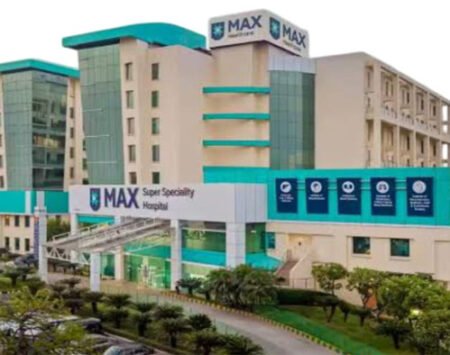
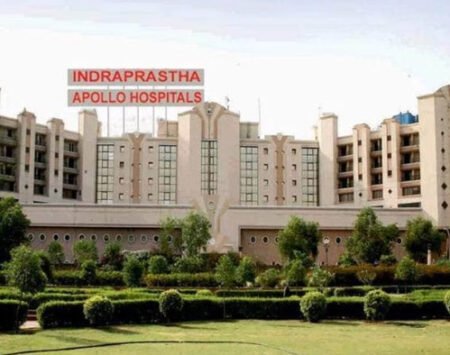

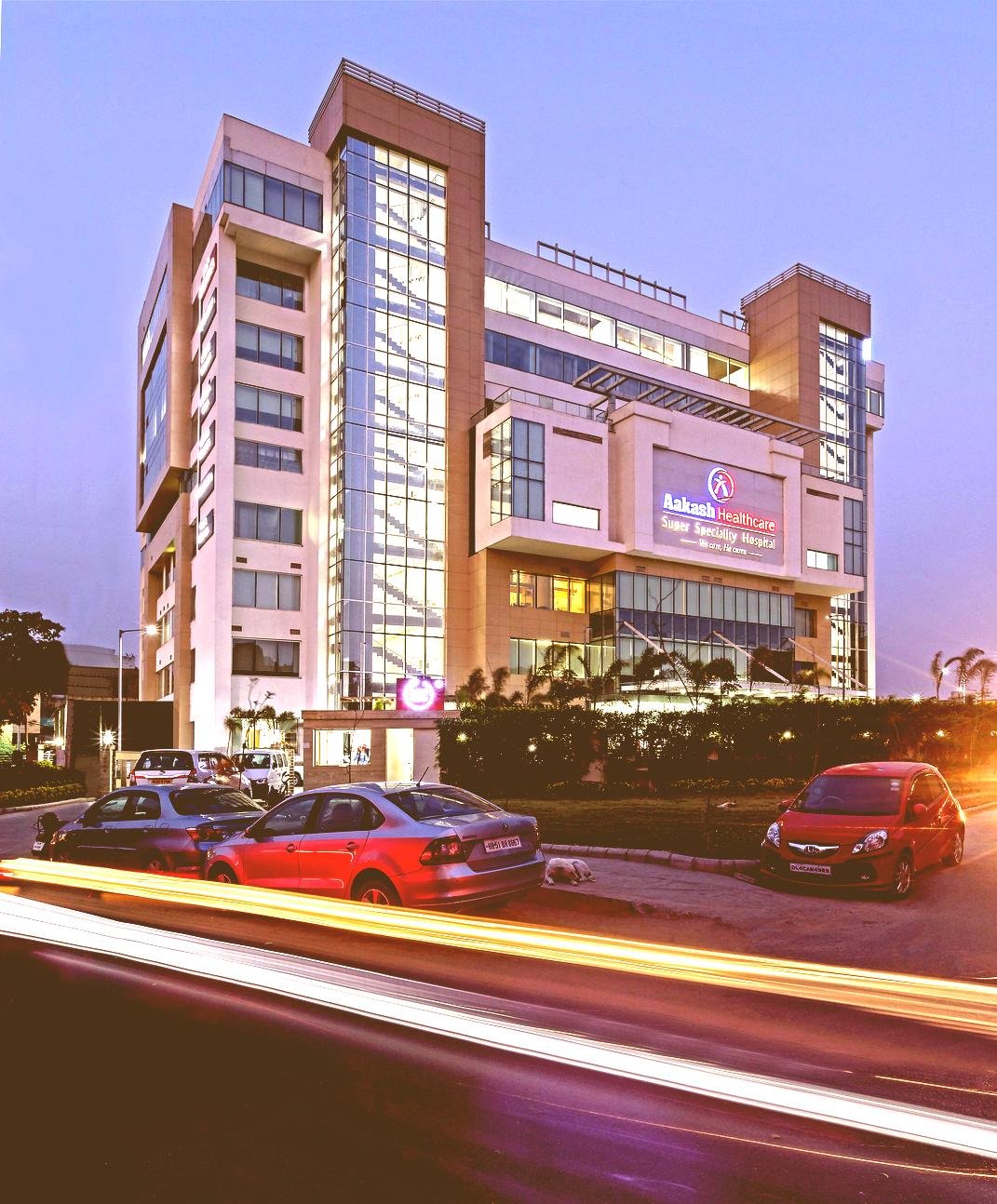
The strength of organ transplant in India rests on these hospitals and the teams inside them. Nobel Medi Assistance is empanelled with the leading organ transplant hospitals in India, so we can match your case to the right programme rather than the priciest one. Between them they cover living donor and deceased donor liver transplant, kidney transplant including ABO-incompatible and robotic recipient surgery, allogeneic and haploidentical bone marrow transplant with dedicated isolation units, heart transplant and LVAD, and lung transplant. This is the specialty where the gap between hospitals is widest, because a transplant programme needs not just a surgeon but a hepatologist or nephrologist, a transplant anaesthetist, an immunology lab, a dedicated transplant ICU, and a coordinator who handles the legal paperwork properly. Very few centres have all of it, which is exactly why the match matters. See the best liver transplant hospitals and BMT hospitals in India.
Spread across Gurugram, Saket, Dwarka, and central Delhi, these centres mean a strong organ transplant hospital in India is never far away, whichever part of the region a patient is coming from or flying into.
In transplant, team volume is the strongest predictor of survival there is. These are the names we route cases to.
The transplant doctors in India who operate through the Nobel Medi Assistance network include some of the highest-volume living donor liver and kidney transplant surgeons in the world, alongside senior haematologists running dedicated bone marrow transplant units. Because each organ demands an entirely different team, we match liver transplant, kidney transplant, bone marrow transplant, or heart transplant to the organ transplant doctors in India who do that exact procedure week in and week out. Below are leading names across all four.
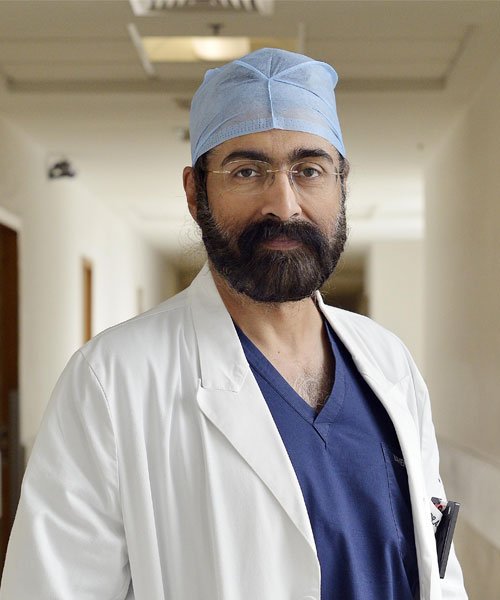



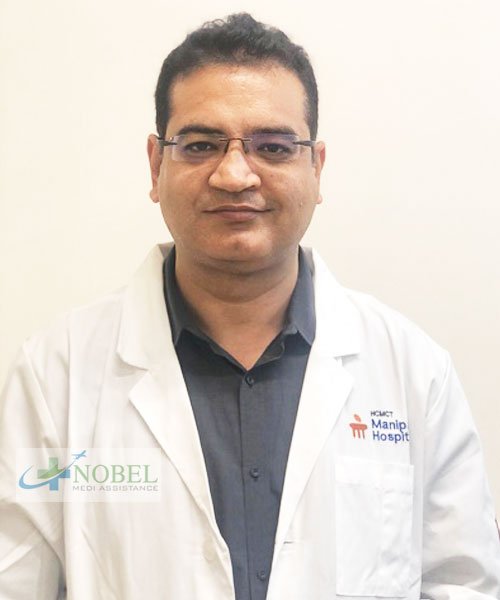


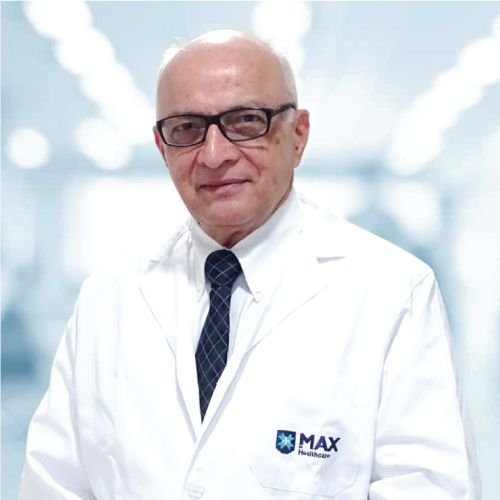





Not sure which transplant team fits your case? Send us your reports and we will recommend the right organ transplant doctors in India for your organ and your stage, along with a second opinion at no cost.
Plenty of companies promise to arrange treatment. What sets us apart for organ transplant in India is the depth of support and a track record you can check.
Near-relative or Authorization Committee approved donors only, always
Partner hospitals, matched to your organ not the priciest
Free second opinion from a senior transplant surgeon
Embassy certificate, committee documents, visa, long-stay support
Transparent, itemised estimates with no hidden facilitator fees
See real outcomes and stories on our patient testimonials page, and learn more about us and how we work.
Arranging an organ transplant in India involves far more than booking an operation. As a medical assistance company based in Delhi, we manage the whole path:
Share your reports and we get a senior transplant surgeon's opinion within 48 hours, including whether you are a candidate.
We confirm the donor relationship, the documents required, and what the Authorization Committee will need.
An itemised estimate across matched transplant programmes, including donor workup and immunosuppression.
Medical visa invitation, flights, long-stay accommodation, donor and recipient evaluation, committee approval.
Transplant, ICU, recovery, and lifelong immunosuppression monitoring with teleconsults after you fly home.
This end-to-end support is what makes an organ transplant in India feel manageable rather than overwhelming, whether you are travelling from within the region or from another country.
Transplant is unique in that the workup covers two people, and the legal file matters as much as the blood tests. The recipient needs organ-specific assessment: MELD score, endoscopy and imaging for liver; dialysis history and cardiac clearance for kidney; disease staging and marrow studies for bone marrow transplant. Both parties need blood group, tissue typing and HLA matching, cross-match testing, viral screening for HIV, hepatitis B and C, and a full cardiac and respiratory assessment. The living donor gets an independent evaluation whose entire purpose is to protect the donor, including CT volumetry for liver donors and a renal scan for kidney donors, plus a psychological assessment confirming the decision is free and uncoerced. Alongside all of that runs the legal file: proof of relationship, often DNA testing, an embassy certificate for foreign nationals, and Authorization Committee approval. Our coordinators manage that paperwork, which is where most delays happen.
Recovery after an organ transplant in India is measured in months, and honesty here serves you better than optimism. Expect two to four weeks in hospital depending on the organ, starting with a period in a dedicated transplant ICU, then six to twelve weeks total in India before you are cleared to fly. Living donors recover faster: a kidney donor is usually home within days and back to normal life in four to six weeks, and a liver donor in two to three months as the liver regrows. The part people underestimate is what comes after. Immunosuppressive drugs continue for life, taken on time every day, with regular blood levels checked, because the commonest cause of losing a transplanted organ years later is simply stopping the tablets. Those drugs also lower immunity, so infection precautions and vaccination matter, and long-term monitoring for kidney function, diabetes, blood pressure, and skin cancer becomes routine. Nobel Medi Assistance builds that follow-up into the plan and stays reachable after you fly home.
Scroll within the panel below for all 10 questions on organ transplant in India.
Scroll for more questions
Whether you need a liver transplant, kidney transplant, bone marrow transplant, or heart and lung transplant, Nobel Medi Assistance connects you with the right surgeon and hospital for safe, fully legal organ transplant in India. Share your case today and let us handle the rest.







Nobel Medi Assistance is a Delhi-based medical tourism company connecting patients with India’s leading JCI and NABH accredited hospitals and specialists. From the first enquiry to full recovery, we handle everything: free medical second opinions, transparent cost estimates, medical visa support, travel, and 24/7 multilingual care. Trusted by patients from over 47 countries, we make world-class treatment in India simple, affordable, and stress-free.