

TAVI (Transcatheter Aortic Valve Implantation) in India
Best doctor
Cardiac Surgery in India
Bypass, valve replacement, TAVI and paediatric heart surgery at accredited, high-volume hospitals in India.
From$3,800
Stay7-10 days in hospital · about 3 weeks in India Success98-99% for elective procedures Procedures7
Opinion in48 hours
Top doctors
for Cardiac SurgerySenior specialists who perform these cases weekly, not occasionally.
- 20+ years of practice
- Written second opinion first
Top hospitals
for Cardiac SurgeryAccredited hospitals with the case volume this treatment actually requires.
- JCI and NABH accredited
- International patient desk
Patient stories
Patients who travelled to India, in their own words.
Heart Valve Replacement in India
Best doctor
The short answer
Cardiac surgery in India costs about USD 3,800–7,500 for common procedures such as angioplasty, bypass (CABG) and valve replacement, versus USD 70,000–200,000 in the US. Advanced options cost more, with TAVI from about USD 38,000. Open-heart patients stay 7–10 days in hospital and about 3 weeks in India. Nobel Medi Assistance arranges a free case review, hospital matching, visa and travel.
Why Patients Choose India for Cardiac Surgery
High case volumes
Major Indian heart centres perform bypass and valve surgery every day, and surgical outcomes tend to improve with experience.
A fraction of Western costs
Common heart procedures cost far less than in the US or UK, with an itemised estimate before you travel.
Accredited hospitals
Many leading cardiac hospitals hold JCI or NABH accreditation and run dedicated international patient desks.
No long waiting lists
Planned surgery can usually be scheduled soon after a specialist reviews your reports.
About Cardiac Surgery in India
India has become one of Asia's leading destinations for heart care. Its major cardiac centres handle a very high number of cases every year, and that matters more than most people realise, because surgical outcomes tend to improve with volume. A heart team that performs bypass and valve operations week after week is better practised at preventing and managing complications. That experience is a big reason patients from Africa, the Middle East, Central Asia and across India choose cardiac surgery in India over waiting, or paying far more, closer to home.
Cost is the second reason. Heart surgery in India typically costs a fraction of what the same operation costs in the US or UK, without cutting corners on technology. Leading hospitals run hybrid operating theatres, dedicated cardiac ICUs and modern cath labs, and many hold JCI or NABH accreditation. For international families, Nobel Medi Assistance adds medical visa assistance, airport pickup, interpreters and accommodation near the hospital, so the trip is planned rather than improvised.
The third reason is choice. With many strong cardiac hospitals in India, patients can compare surgeon, hospital tier and budget. A globally known name at a premium hospital can be weighed against an equally qualified cardiac surgeon in India at a mid-tier centre. Our own network is anchored in Delhi NCR, home to several of the country's major heart programmes, and our job is to make that comparison honest and clear.
Heart Procedures We Cover
Types of Cardiac Surgery in India We Cover
These are the procedures that make up most heart surgery in India. Each links to a detailed page with indicative costs, hospital stay and the specialists who perform it, so you can go deeper on the treatment your cardiologist has recommended.
1. CABG / Bypass Heart Surgery
Coronary artery bypass grafting (CABG), usually called bypass surgery, is the most common open-heart operation. When one or more coronary arteries are badly blocked, the surgeon takes a healthy blood vessel from the leg, arm or chest and uses it to route blood around the blockage, restoring supply to the heart muscle. CABG is often preferred for complex triple-vessel disease or significant left main disease, where stenting alone may not be enough. Indian centres perform both conventional and beating-heart (off-pump) bypass, and several offer minimally invasive and robot-assisted approaches for suitable patients. Read the full guide to heart bypass surgery (CABG) in India, including cost and recovery, see whether robotic CABG suits your case, or compare the best hospitals for cardiac surgery in India we work with.
2. Angioplasty and Stenting
Not every blocked artery needs open surgery. In coronary angioplasty, a cardiologist passes a thin catheter through the wrist or groin, opens the narrowed artery with a small balloon and usually places a stent to keep it open. It is commonly used for single-vessel disease and selected multi-vessel cases, and most patients leave hospital within a day or two. Whether angioplasty or bypass is the better option is decided from your coronary angiogram, which shows how many arteries are blocked and where, and that is exactly the kind of question our panel of heart specialists can review for you. Explore angioplasty and stenting in India for costs, stent options and recovery.
3. Heart Valve Replacement
When a heart valve is too leaky or too narrow to repair, it is replaced with either a mechanical valve or a biological (tissue) valve. Mechanical valves last longer but need lifelong blood thinners; tissue valves avoid long-term anticoagulation but may wear out sooner, so the choice depends on age and lifestyle and is made together with the surgeon. Indian surgeons perform aortic, mitral, tricuspid and double valve operations, and repair a valve rather than replace it wherever the anatomy allows. Learn more about heart valve replacement surgery in India, robotic mitral valve repair, and MitraClip, a catheter-based option for a leaking mitral valve in patients at high risk for open surgery.
4. ASD / VSD Closure
An atrial septal defect (ASD) or ventricular septal defect (VSD) is a hole in the wall between the heart's chambers, usually present from birth. Left untreated, it can strain the heart and lungs over time. Many of these defects can now be closed without open surgery, using a device delivered through a catheter, while larger or complex defects still need surgical repair. India has strong paediatric and adult congenital heart programmes, and these procedures change lives for children and young adults. See our pages on ASD / VSD closure in India and paediatric ASD / VSD repair. For children, our paediatric specialists provide dedicated child-focused care.
5. TAVI / TAVR
Transcatheter aortic valve implantation (TAVI), also called transcatheter aortic valve replacement (TAVR), replaces a narrowed aortic valve without opening the chest. A folded replacement valve is guided through a catheter, usually from the leg, and expanded inside the old valve. TAVI was first reserved for elderly or high-risk patients unfit for open surgery and is now offered to a wider group of patients, with a much shorter hospital stay than open valve replacement. Several hospitals in our Delhi NCR network perform it routinely. Read the full explainer on TAVI / TAVR in India.
Beyond these five headline procedures, our network also covers heart transplant, LVAD implantation for advanced heart failure, and congenital heart repairs in children such as Tetralogy of Fallot (TOF) repair, the arterial switch operation, and the Glenn shunt. Pacemaker and ICD implantation, PFO closure and pericarditis treatment are also arranged on request. For every option with indicative costs, browse all procedures.
Why Nobel Medi Assistance
Why International Patients Choose Nobel Medi Assistance
Plenty of companies promise to arrange treatment. What sets us apart is the depth of support and a track record you can check.
500+
Heart patients supported through treatment in India
100+
Partner hospitals, matched to your case, not to the highest price
48 hrs
Free written opinion from a senior heart specialist
End-to-End
Visa invitation, interpreters, stay, and follow-up after you fly home
0 Markup
Transparent, itemised estimates with no hidden facilitator fees
See real outcomes, including heart patients, on our patient success stories page, and learn more about us and how we work.
How It Works
How the Process Works
Arranging heart surgery in another city or country involves far more than booking an operation. As a medical assistance company based in Delhi NCR, we manage the whole path for patients from India and abroad:
1
Free Case Review
Share your angiogram, echo or other reports and get a senior specialist's written opinion within 48 hours.
2
Cost & Hospital Options
You receive a clear, itemised estimate across two or three matched hospitals.
3
Travel & Visa Help
For international patients, we assist with the medical visa invitation, flights, and stay near the hospital.
4
Admission & Surgery
Airport pickup, a dedicated coordinator, interpreter support, and a smooth admission.
5
Recovery & Follow-up
Post-operative care, teleconsults after you fly home, and help with any follow-up.
This end-to-end support is what makes cardiac surgery in India manageable rather than overwhelming, whether you are travelling from another Indian city or another country. If you are coming from abroad, our medical visa assistance team arranges the hospital invitation letter and guides you and your attendant through the paperwork.
Tests Done Before Cardiac Surgery in India
Before any heart procedure, the team confirms the diagnosis and checks that you are fit for the operation. Common pre-surgery tests include an ECG, echocardiogram, coronary angiography, blood tests, chest X-ray and sometimes a CT scan. These results decide the exact approach, for example whether a blockage is better treated by angioplasty or bypass, or whether a valve can be repaired instead of replaced. If you already have recent reports from home, send them first; our coordinators confirm which tests need repeating before admission.
ECGEchocardiogramCoronary AngiographyBlood TestsChest X-RayCT Scan
Recovery After Heart Surgery in India
Recovery depends on the procedure. After minimally invasive treatment such as angioplasty, TAVI or device-based ASD and VSD closure, many patients are up and walking within days. After open surgery such as CABG or valve replacement, the hospital stay is usually 7 to 10 days, followed by a few weeks of gradually increasing activity and cardiac rehab. The heart team gives clear instructions on medication, wound care, diet, and when to return to work and exercise. International patients fly home only after the surgeon confirms they are fit to fly, and we stay reachable for teleconsults afterwards.
Medication guidanceWound careDiet planCardiac rehabFit-to-fly check
Talk to Us About Your Treatment
Whether you need bypass surgery, angioplasty, valve replacement, ASD or VSD closure, or TAVI, Nobel Medi Assistance connects you with the right specialist and the right hospital for safe, affordable cardiac surgery in India. Share your reports today and we will handle the rest.
Indicative costs
| Procedure | Cost from (USD) | Details |
|---|---|---|
| Heart Bypass Surgery | $4,500 | See breakdown → |
| Angioplasty / Stenting | $3,800 | See breakdown → |
| Heart Valve Replacement | $7,500 | See breakdown → |
| TAVI / TAVR (Transcatheter Aortic Valve) | $38,000 | See breakdown → |
| MitraClip | $25,000 | See breakdown → |
| ASD/VSD Closure | $5,500 | See breakdown → |
| LVAD Implantation | $90,000 | See breakdown → |
Estimates are indicative and all-inclusive for international patients. Your final cost is confirmed in writing after a specialist reviews your reports.
All procedures
Heart Bypass Surgeryfrom $4,500
Angioplasty / Stentingfrom $3,800
Heart Valve Replacementfrom $7,500
TAVI / TAVR (Transcatheter Aortic Valve)from $38,000
MitraClipfrom $25,000
ASD/VSD Closurefrom $5,500
LVAD Implantationfrom $90,000
No procedure matches that. Send us your reports and we will tell you what applies.
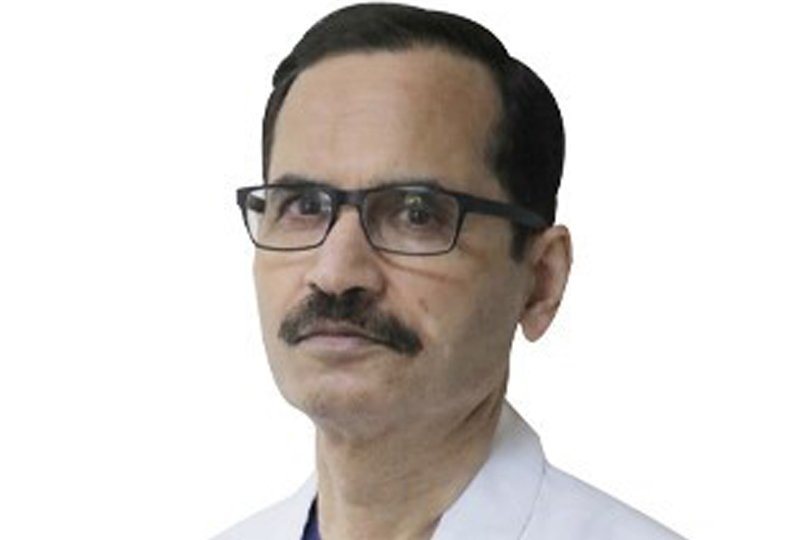
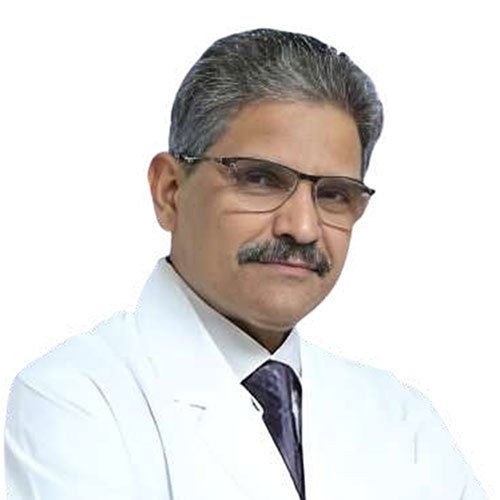
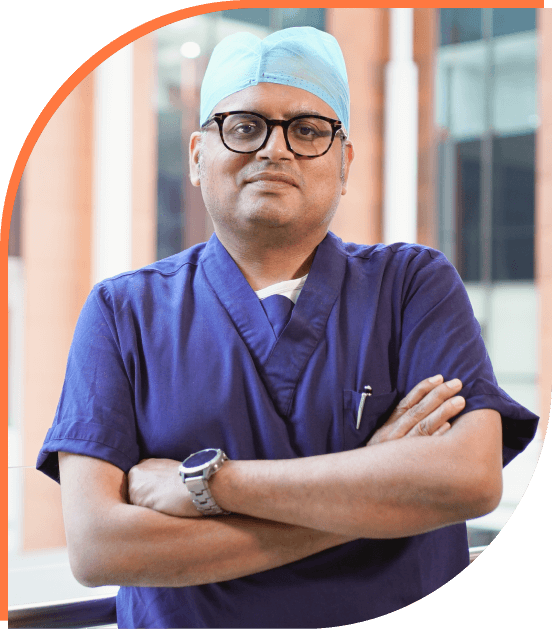
Specialists in Cardiac Surgery
Senior consultants treating this condition at our partner hospitals.

Frequently asked questions on Cardiac Surgery
Common procedures start at about USD 3,800 for angioplasty, USD 4,500 for bypass surgery (CABG) and USD 7,500 for valve replacement. Advanced options cost more: MitraClip from about USD 25,000 and TAVI from about USD 38,000. The final cost depends on the hospital, room category, implants and length of stay, and is confirmed in writing after a specialist reviews your reports.
Leading Indian heart centres are JCI or NABH accredited and perform high volumes of bypass and valve surgery, which is linked to better outcomes. For planned (elective) procedures, success rates at these centres are around 98–99%. Your own risk depends on your age, heart function and other conditions, which the surgeon assesses from your reports before recommending surgery.
For open-heart surgery such as CABG or valve replacement, expect 7–10 days in hospital and about 3 weeks in India in total. For angioplasty, the hospital stay is usually 2–3 days, and many patients can travel home within about a week if their doctor agrees.
Your surgeon decides, based on how you are recovering. After uncomplicated angioplasty, many patients are cleared to fly within a few days to a week. After open-heart surgery, most patients fly about 10 days to 2 weeks after the operation, once a fit-to-fly check is done.
Yes. India issues a medical attendant visa linked to the patient's medical visa, so a family member can come with you. We provide the hospital invitation letter and help with both visa applications.
Send your latest echocardiogram, coronary angiogram (the report, plus the CD or video if you have it), ECG, recent blood tests and a list of your current medicines. A senior specialist reviews them, and within 48 hours we send a written opinion with two or three hospital options and an itemised estimate.
Question not answered here? Ask us directly — a case manager replies within 24 hours.
Find out what your treatment would cost
A senior specialist reviews your reports and sends a written plan within 48 hours. Free, with no obligation.