
Robotic Cochlear Implant Positioning in India
Also known as robot-assisted cochlear implant surgery, robotic-guided cochlear implantation, robotic electrode insertion, image-guided cochlear implant surgery
The short answer
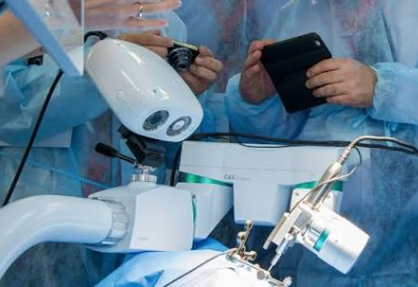
Robotic cochlear implant positioning in India costs between USD 9,000 and USD 16,000 for international patients, including the implant device and robotic-assisted surgery. Robotic guidance systems control the speed and trajectory of electrode array insertion into the cochlea with sub-millimeter precision, aiming to preserve residual hearing and improve hearing outcomes compared to fully manual insertion, at leading Indian centres.
About Robotic Cochlear Implant Positioning
Robotic cochlear implant positioning combines cochlear implant surgery — restoring hearing for patients with severe to profound hearing loss by placing an electrode array inside the cochlea — with robotic guidance systems that control the speed and angle of electrode insertion. This precision reduces the risk of trauma to delicate inner ear structures compared to fully manual insertion, particularly valuable for patients aiming to preserve residual natural hearing alongside the implant.
Procedures Available
Robotic-assisted cochlear implantation for adults is used for progressive or sudden severe-to-profound hearing loss not helped by hearing aids. Robotic-assisted paediatric cochlear implantation follows similar principles for children with congenital or early-onset hearing loss, with careful attention to smaller anatomy. Hearing preservation cochlear implantation, using slower robotic insertion speeds, is offered for patients with some residual low-frequency hearing who may benefit from combined electric-acoustic stimulation.
Cost
The estimate covers pre-operative hearing and imaging assessment, the robotic-assisted surgery, the cochlear implant device, and hospital stay through discharge. Implant brand and model significantly affect the total cost, and bilateral implantation (both ears) costs more than a single-ear procedure.
How Long the Trip Takes
Most patients plan for 10 to 14 days in India, covering pre-operative audiological and imaging assessment, 2 to 3 days in hospital after surgery, and initial device activation and mapping before flying home, since the first programming session significantly affects early hearing outcomes.
Choosing a Hospital
Ask which robotic insertion system is used and request the surgeon's specific case volume with robotic-assisted electrode placement, since this is a newer technique than conventional manual implantation. Confirm the implant brand and model being offered, and whether hearing preservation insertion protocols are available if relevant to your hearing profile.
Why patients choose India for this
Robotic cochlear implant positioning in India costs a fraction of the same procedure in the US or UK, using comparable implant brands and robotic insertion technology.
Leading Indian ENT centres offer robotic-assisted electrode insertion systems, a technique still limited to select international centres.
Indian hospitals report hearing outcome success rates of 90 to 95 percent with robotic-guided cochlear implant insertion.
India's leading ENT departments run dedicated cochlear implant programs covering both children and adults, with structured post-implant mapping and rehabilitation.
Robotic Cochlear Implant Positioning cost
| Country | Indicative cost |
|---|---|
| India — with Nobel Medi Assistance | $9,000 – $16,000 |
| United States | $40,000 - $60,000 |
| United Kingdom | $25,000 - $38,000 |
| Singapore | $22,000 - $32,000 |
| Turkey | $12,000 - $18,000 |
Figures are indicative for international patients and depend on the hospital, the surgeon and your reports. Your exact cost is confirmed in writing after a specialist review — free, and with no obligation.
What the estimate covers
Included
- Pre-operative audiological and imaging assessment
- Surgeon and anaesthesia fees
- Robotic surgical system usage
- The cochlear implant device (standard model)
- Hospital stay through discharge
- Initial device activation and first mapping session
Not included
- Flights and visa fees
- Accommodation outside the hospital
- Premium implant brand upgrade, if chosen over the standard quote
- Bilateral (second ear) implantation, if not included in the initial plan
- Extended speech and auditory rehabilitation after discharge
- Extended hospital stay if complications arise
How Robotic Cochlear Implant Positioning is done
- Pre-operative assessmentAudiological testing and imaging (CT/MRI) confirm candidacy and map inner ear anatomy for surgical planning.
- AnaesthesiaGeneral anaesthesia is administered for the procedure.
- Surgical accessThe surgeon creates access to the middle ear and cochlea through a small incision behind the ear.
- Robotic-guided electrode insertionThe robotic system controls the speed and trajectory of electrode array insertion into the cochlea with precise, controlled movement.
- Device placement and testingThe internal implant receiver is secured, and intra-operative testing confirms proper electrode function.
- ClosureThe incision is closed, with the whole procedure typically taking 2 to 3 hours.
Recovery and what to expect
- First 24 hoursMild discomfort at the incision site; monitoring for dizziness or balance changes.
- Day 2-3Discharge from hospital once stable; incision site checked before departure planning.
- Week 2-4Swelling around the implant site resolves; incision fully heals.
- Week 3-4Initial device activation (switch-on) and first mapping/programming session.
- Month 2-6Follow-up mapping sessions refine sound processing; auditory rehabilitation therapy supports adaptation to hearing through the implant.
Specialists who perform this




Where it is done


Frequently asked questions
How much does robotic cochlear implant positioning cost in India?
What is the advantage of robotic insertion over manual insertion?
When is the implant activated after surgery?
How long is the hospital stay?
When can I fly home?
Is robotic cochlear implantation suitable for children?
Can residual hearing be preserved with this technique?
How soon will I hear clearly after activation?
What would your Robotic Cochlear Implant Positioning cost?
Send your reports and a senior specialist sends back a written plan with costs within 24 hours. Free, with no obligation.