

Thoracic Surgeries in India
VATS, lung cancer surgery, esophagectomy, and chest surgery in India for international patients.
Top doctors
for Thoracic SurgeriesSenior specialists who perform these cases weekly, not occasionally.
- 20+ years of practice
- Written second opinion first
Top hospitals
for Thoracic SurgeriesAccredited hospitals with the case volume this treatment actually requires.
- JCI and NABH accredited
- International patient desk
The short answer
Thoracic surgery in India treats conditions of the lungs, esophagus, chest wall, and mediastinum, and most procedures now use small, camera-guided VATS incisions instead of a full open chest cut. Cost typically runs USD 3,000 to USD 12,000, a fraction of US or UK pricing, with hospital stays of 3 to 10 days depending on the procedure and success rates above 95% for elective cases.
About Thoracic Surgeries in India
Why Patients Choose Thoracic Surgery in India
Chest, lung, and airway conditions call for surgeons who operate inside a tight space with almost no room for error. Here is why so many families now travel for thoracic surgery in India.
India has built a genuine centre of skill in chest surgery over the last two decades. Thoracic surgery hospitals in India now handle everything from a routine lung biopsy to a full lung transplant, and the surgeons behind these cases operate on high volumes every single week. That repetition shows up in the numbers. A thoracic surgeon in India who removes lung tumours, repairs the chest wall, and manages the airway on a near daily basis develops a level of comfort with the anatomy that simply cannot be matched by a centre that sees a handful of cases a year. For a patient with lung cancer, a mediastinal mass, or a collapsed lung, that experience often decides how smoothly the surgery and the recovery go.
Cost is the second reason families look at thoracic surgery in India. A video-assisted thoracoscopic surgery, a lobectomy, or an esophagectomy that would run into tens of thousands of dollars in the United States or the United Kingdom costs a fraction of that at a thoracic surgery hospital in India, and the equipment used is the same generation of technology found anywhere in the world. Thoracic surgery in India is delivered through dedicated thoracic ICUs, hybrid operating theatres, and 3D and 4K video-assisted platforms, so patients are not trading safety for savings. Nobel Medi Assistance adds medical visa assistance, an interpreter, airport pickup, and a place to stay close to the hospital, so an international patient is never left to work out logistics alone.
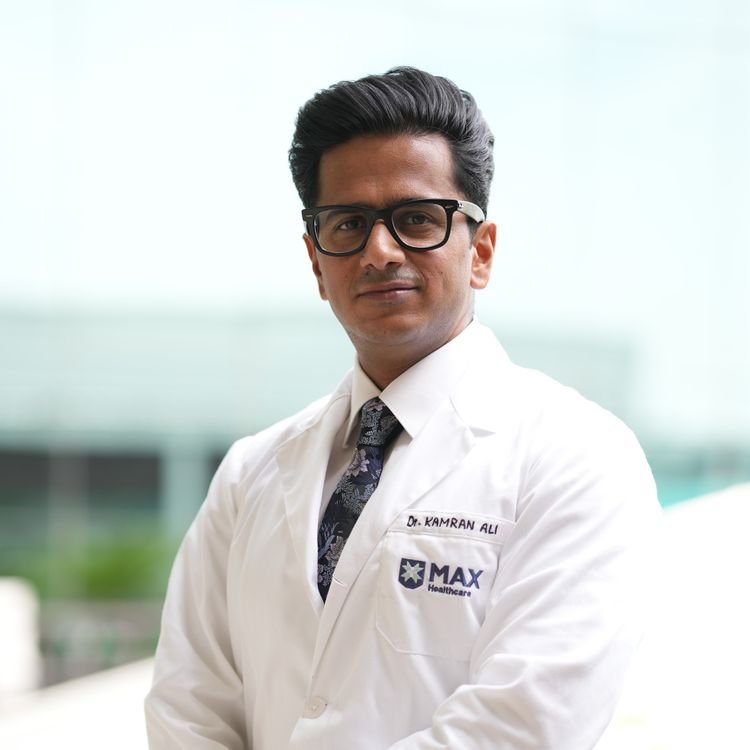
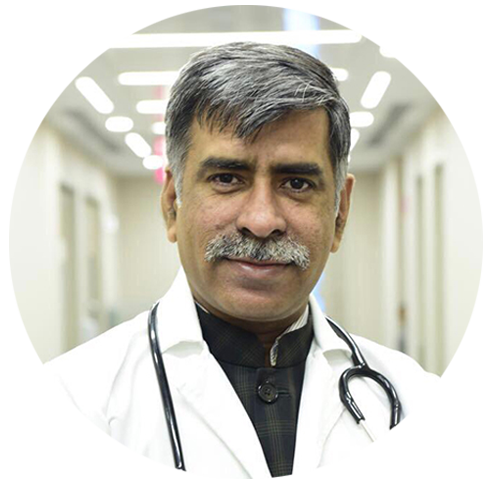
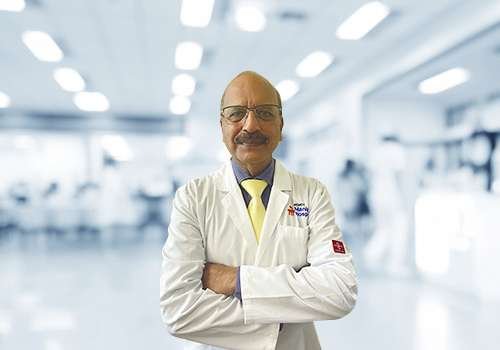
The third reason is choice. India has enough thoracic surgery hospitals, spread across enough cities, that a patient can compare a senior thoracic surgeon in India at a large quaternary hospital against an equally capable surgeon at a focused chest centre, and choose based on their case, their budget, and how soon they need surgery. Nobel Medi Assistance works with a network anchored in Delhi NCR, which places patients within easy reach of some of the country's busiest chest surgery units, and we help patients understand that choice instead of pushing them toward one hospital. Senior thoracic surgeons in our network include Dr. Arvind Kumar, Chairman of the Institute of Chest Surgery, Chest Cancer Surgery and Lung Transplantation at Medanta, Gurugram, Dr. Kamran Ali, Associate Director of Thoracic Surgery and Lung Transplant at Max Saket, and Dr. Satinder Kumar Jain, Consultant in Thoracic Surgery at Manipal Hospital, New Delhi. See all the best thoracic surgeons in India.
Thoracic surgery in India covers operations on the lungs, esophagus, chest wall, mediastinum, and airway, most of it now done through small, camera-guided incisions called VATS rather than a full open chest cut. International packages start from about USD 4,000 for mediastinal surgery, USD 4,500 for esophageal surgery, USD 5,000 for VATS lung surgery, and USD 8,000 for lung cancer surgery, well below equivalent surgery in the US, UK, or the Gulf, and Nobel Medi Assistance helps international patients get a second opinion, a clear cost estimate, and full travel support before they book anything.
Types of Thoracic Surgery in India We Cover
These are the operations that make up most of thoracic surgery in India. Each one links to a detailed page so you can read further on the exact procedure your pulmonologist or oncologist has recommended.
1. VATS (Video-Assisted Thoracoscopic Surgery)
VATS is the technique that changed the shape of thoracic surgery in India. Instead of opening the chest through a long incision and spreading the ribs, the surgeon works through two or three small cuts, guided by a camera on a screen. VATS is used for lung biopsies, wedge resections, treating a collapsed lung, draining fluid around the lung, and increasingly for full lobectomies. Because the muscle and rib cage stay largely undisturbed, patients usually spend far less time in hospital and get back to normal breathing sooner than with an open operation. Most thoracic surgery hospitals in India now offer VATS as the default approach wherever the tumour size and location allow it. Read the full guide to VATS lung surgery in India, or see our wider robotic and minimally invasive surgery page.
2. Lung Cancer Surgery (Lobectomy, Segmentectomy, Pneumonectomy)
When lung cancer is caught before it has spread, surgery to remove the affected part of the lung gives the best chance of a cure. A lobectomy removes one lobe of the lung, a segmentectomy removes a smaller wedge for early or borderline cases, and a pneumonectomy removes an entire lung when the tumour is too large or too central for a smaller resection. Lung cancer surgery in India is now performed through VATS or robotic platforms at most major centres, which has cut both blood loss and hospital stay compared to the open technique used a decade ago. This is one of the highest-volume areas of thoracic surgery in India, and thoracic surgery doctors in India work closely with oncologists and pulmonologists to confirm the diagnosis and stage the disease correctly before any operation is planned. Read the full guides to lung cancer treatment and lobectomy in India and robotic lung cancer surgery, and see cancer treatment in India for chemotherapy, immunotherapy, and radiation.
3. Esophageal Surgery (Esophagectomy)
Esophagectomy removes part or all of the esophagus, most often for esophageal cancer, and sometimes for severe achalasia or a badly damaged food pipe. It is one of the more demanding operations in thoracic surgery in India because it involves the chest and the abdomen together, and the surgeon has to rebuild a working food passage using part of the stomach or intestine. Minimally invasive and robotic esophagectomy have made this recovery meaningfully easier, with smaller incisions, less pain, and a shorter stay in the intensive care unit. Because outcomes depend heavily on how many of these cases a surgeon does each year, patients are usually better served at a thoracic surgery hospital in India that runs a dedicated esophageal cancer programme rather than a general surgery department that handles it occasionally. Learn more about esophageal surgery in India, see GERD surgery for severe reflux, and see cancer treatment in India for esophageal cancer.
4. Mediastinal Tumour Surgery and Thymectomy
The mediastinum is the space between the lungs, and tumours here include thymomas, cysts, lymph node masses, and germ cell tumours. A thymectomy, removal of the thymus gland, is done both for thymic tumours and as a treatment for myasthenia gravis, a condition where the immune system attacks the connection between nerves and muscles. Mediastinal surgery in India is increasingly done through VATS or robotic access from the side of the chest, which avoids the large midline incision that older open techniques required. This area of thoracic surgery in India calls for careful imaging beforehand, since mediastinal masses sit close to the heart, the major blood vessels, and the airway, and a thoracic surgeon in India will usually coordinate with a cardiac team before operating on anything close to these structures. Read the full guide to mediastinal surgery and thymectomy in India.
5. Chest Wall Surgery (Pectus Excavatum and Pectus Carinatum)
Pectus excavatum, where the breastbone sinks inward, and pectus carinatum, where it protrudes outward, are structural chest wall conditions that are usually noticed in the teenage years and sometimes affect breathing and heart function as well as appearance. Chest wall correction in India ranges from the minimally invasive Nuss procedure, where a curved bar is placed behind the sternum through small side incisions, to open reconstruction for more complex or adult cases. This is a smaller but steady part of thoracic surgery in India, and results depend heavily on timing, since correction tends to work best before the chest wall cartilage has fully hardened. For teenagers and children, our paediatric surgery in India team coordinates chest wall correction with paediatric anaesthesia and care.
Beyond these five, our network also covers pleurodesis and decortication for empyema, tracheal resection surgery, diaphragm repair and plication, lung transplant (see also organ transplant in India), and robotic thoracic surgery. Compare the best thoracic surgery hospitals in India, or browse all procedures with indicative costs.
Cost of Thoracic Surgery in India
The cost depends on the operation, whether it is done by VATS, robotic, or open surgery, and the length of the ICU and hospital stay.
The figures below are indicative starting costs for international patients, to help you plan rather than fixed quotes. Thoracic surgery in India costs a fraction of the same operation abroad, and Nobel Medi Assistance sends a personalised, itemised estimate once a thoracic surgeon has reviewed your CT scan and reports.
| Thoracic Surgery in India | International Package From (USD) | Full Cost Breakdown |
|---|---|---|
| Mediastinal Disease Surgery | $4,000 | See breakdown → |
| Esophageal (Food Pipe) Surgery | $4,500 | See breakdown → |
| VATS Lung Surgery | $5,000 | See breakdown → |
| Robotic Lung Cancer Surgery (Robotic Lobectomy) | $7,000 | See breakdown → |
| Lung Cancer Treatment / Lobectomy | $8,000 | See breakdown → |
| Lung Transplant | $55,000 | See breakdown → |
Note: Costs are approximate and change with the hospital, the surgeon, the approach (VATS, robotic, or open), the extent of the resection, and the ICU stay. Lung transplant costs assume an organ becomes available, which for foreign nationals is not assured. Ask us for a written estimate before you decide.
Why Families Trust Nobel Medi Assistance for Thoracic Surgery in India
Plenty of companies promise to arrange treatment. What sets us apart for thoracic surgery in India is the depth of support and a record you can actually check.
Thoracic and lung surgery cases facilitated across our hospital network
Partner thoracic surgery hospitals across India, matched to your case
Free second opinion from a senior thoracic surgeon in India
Visa invitation, interpreters, stay, and follow-up after you fly home
Transparent, itemised estimates with no hidden facilitator fees
See real outcomes on our patient success stories page, and learn more about us and how we work.
How the Process Works
Arranging thoracic surgery in India involves far more than booking an operating room. As a medical assistance company based in Delhi NCR, serving patients across India, we manage the whole path:
Free Case Review
Share your CT scan, biopsy report, or PFT results and we get a senior thoracic surgeon's opinion within 48 hours.
Cost & Hospital Options
You receive a clear, itemised estimate across two or three matched thoracic surgery hospitals.
Travel & Visa Help
For international patients, we assist with the medical visa invitation, flights, and stay near the hospital.
Admission & Surgery
Airport pickup, a dedicated coordinator, interpreter support, and a smooth admission.
Recovery & Follow-up
Chest physiotherapy guidance, teleconsults after you fly home, and help with any follow-up scans.
This end-to-end support is what makes thoracic surgery in India feel manageable rather than overwhelming, whether you are travelling from within the country or from abroad. If you are coming from abroad, our medical visa assistance team issues the hospital invitation letter and guides you and one attendant through the paperwork.
Tests Done Before Thoracic Surgery in India
Before any chest operation, the surgical team confirms the diagnosis and checks whether the lungs and heart can safely handle surgery. Common pre-surgery tests include a CT scan of the chest, PET scan for suspected cancer, pulmonary function tests (PFT), bronchoscopy, biopsy, blood work, and an echocardiogram to assess heart function. These results decide the exact approach, for example whether a lung nodule can be managed with a small wedge resection or needs a full lobectomy, or whether a mass sits too close to a major vessel for a minimally invasive approach. Getting this workup right is the foundation of safe thoracic surgery in India, and our coordinators make sure every report the surgeon needs is ready before admission.
Recovery After Thoracic Surgery in India
Recovery depends heavily on the procedure and the approach used. After VATS procedures such as a wedge resection or a small lobectomy, many patients are walking within a day and leave hospital in three to five days. After open thoracic surgery in India such as a pneumonectomy or a complex esophagectomy, the hospital stay usually runs one to two weeks, followed by weeks of chest physiotherapy and breathing exercises to rebuild lung capacity. The surgical team gives clear instructions on pain control, wound care, and when to resume normal activity and flying. For international patients, we confirm you are fit to fly before you leave and stay reachable for any questions that come up once you are home. Good aftercare matters as much as the operation itself.
Talk to Us About Your Treatment
Whether you need VATS, lung cancer surgery, esophagectomy, mediastinal tumour removal, or chest wall correction, Nobel Medi Assistance connects you with the right thoracic surgeon in India and the right thoracic surgery hospital in India for affordable, safe treatment, with our core network based in Delhi NCR. Share your case today and let us handle the rest.
Indicative costs
| Procedure | Cost from (USD) | Details |
|---|---|---|
| Esophageal (Food Pipe) Surgery | $4,500 | See breakdown → |
| VATS Lung Surgery | $5,000 | See breakdown → |
| Mediastinal Disease Surgery | $4,000 | See breakdown → |
Estimates are indicative and all-inclusive for international patients. Your final cost is confirmed in writing after a specialist reviews your reports.
All procedures
No procedure matches that. Send us your reports and we will tell you what applies.
Specialists in Thoracic Surgeries
Senior consultants treating this condition at our partner hospitals.
Find out what your treatment would cost
A senior specialist reviews your reports and sends a written plan within 48 hours. Free, with no obligation.