

Best Doctors for Ophthalmology / Eye Care in India
Cataract, LASIK, retina and corneal transplant surgery.
Choosing a Ophthalmology / Eye Care specialist in India
Eye treatment in India is delivered by specialists with a shared base qualification and different subspecialty focus. An ophthalmologist, trained through MS in Ophthalmology, provides the base qualification, and many then complete a fellowship in one specific area. Retina specialists focus on retinal detachment, diabetic retinopathy and macular disease, cornea specialists on corneal transplant and keratoconus, refractive surgeons on LASIK and SMILE, and glaucoma specialists on pressure-related optic nerve damage. Which subspecialty your case needs matters, since a surgeon with a strong cataract practice is not automatically the right choice for a corneal transplant, and a refractive surgeon may not be the right fit for retinal detachment.
The specialists listed here were selected on qualification in the relevant branch, years in independent practice, the annual volume of cases they handle in their own category, and the hospital and equipment behind them, since ophthalmology outcomes depend heavily on equipment as well as skill. Several are attached to high volume eye units in Delhi NCR where our network is anchored. Send your reports and we will tell you which specialist your case actually calls for, with an opinion within 48 hours.
Specialists for Ophthalmology / Eye Care
5 listed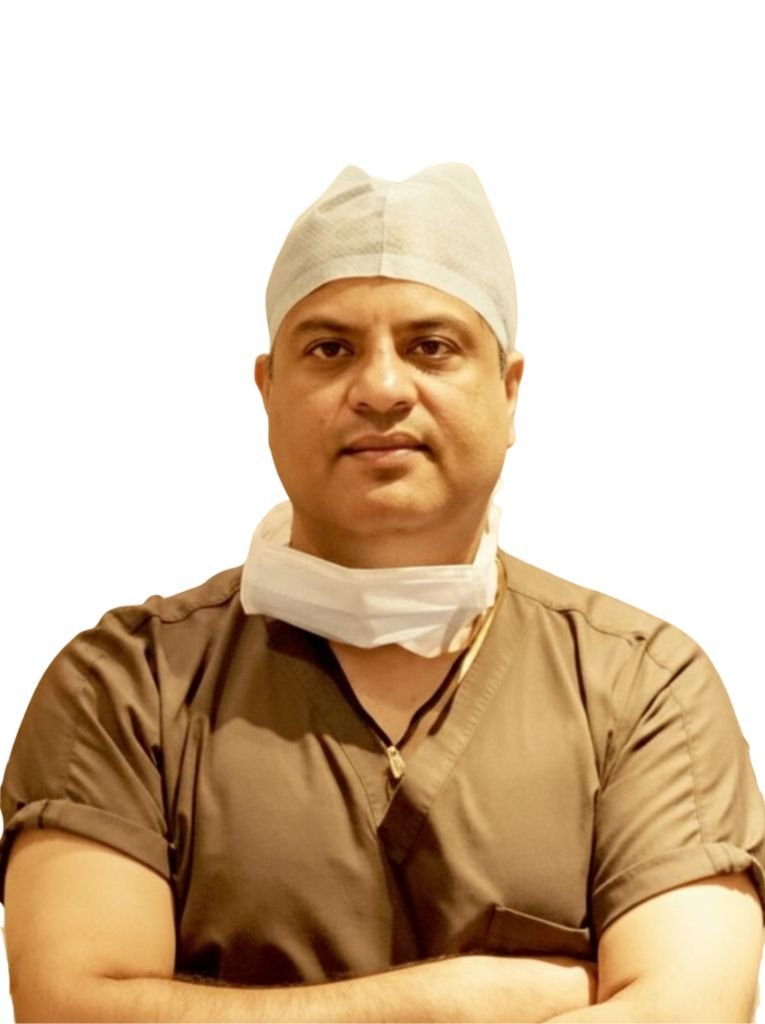
Dr. Suraj Munjal
Founder & Chief Medical Director 👑 23+ years View profile →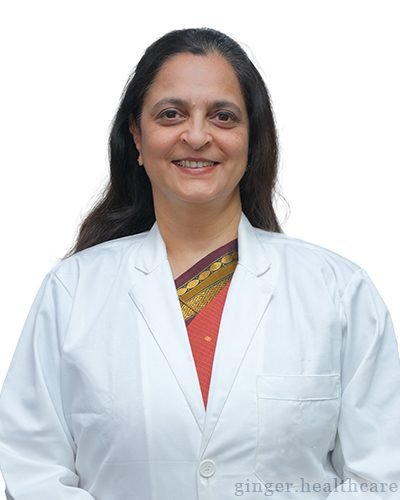
Dr. Anita Sethi
Principal Director & HOD – Ophthalmology 👑 35+ years View profile →
Dr. Neeraj Sanduja
Founder & Director – Vitreo-Retina Consultant 👑 26+ years View profile →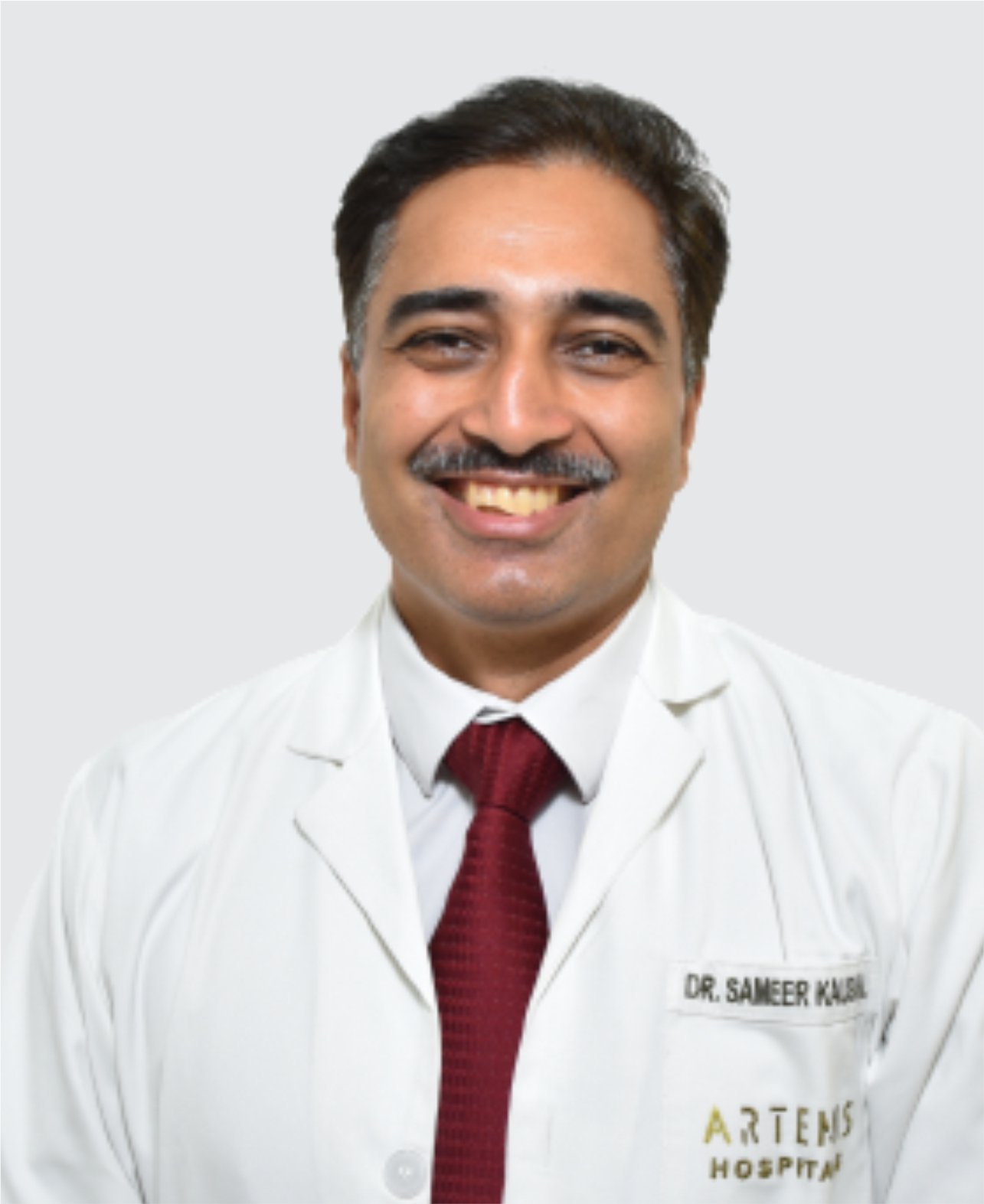
Dr. Sameer Kaushal
Director & Head – Division of Ophthalmology 👑 17+ years View profile →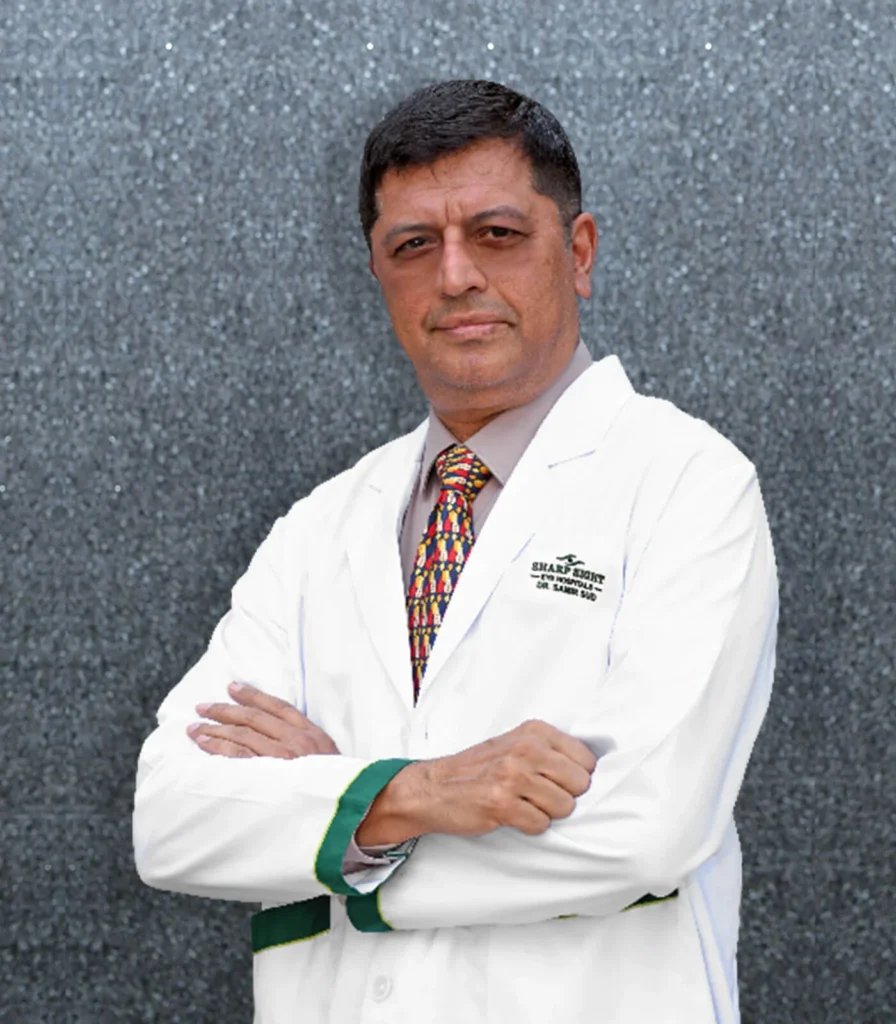
Dr. Samir Sud
Co-Founder & Director 👑 33++ years View profile →Nothing matches those filters. Send your reports and we will shortlist the right options for you.
Ophthalmology / Eye Care costs in India
| Procedure | Cost from |
|---|---|
| Cataract Surgery | $900 |
| LASIK Surgery | $1,500 |
| Corneal Transplant | $2,000 |
| Glaucoma Surgery | $1,200 |
| Squint Surgery | $1,000 |
| Retina Treatments (Vitreoretinal Surgery) | $2,000 |
| Oculoplasty | $700 |
Indicative figures for international patients. The exact cost depends on the hospital, the specialist and your reports, and is confirmed in writing after a free specialist review.
Keep exploring Ophthalmology / Eye Care
Not sure which specialist is right for you?
Send your reports and a senior ophthalmology / eye care specialist sends back a written plan with costs within 24 hours. Free, with no obligation.