
Vascular Surgeries in India
Aortic aneurysm repair, angioplasty and bypass, carotid surgery, varicose veins and diabetic foot revascularisation at accredited hospitals in India.
Top doctors
for Vascular SurgeriesSenior specialists who perform these cases weekly, not occasionally.
- 20+ years of practice
- Written second opinion first
Top hospitals
for Vascular SurgeriesAccredited hospitals with the case volume this treatment actually requires.
- JCI and NABH accredited
- International patient desk
The short answer
Vascular surgery in India covers aortic aneurysm repair, peripheral artery disease treatment with angioplasty and bypass, carotid artery surgery for stroke prevention, varicose vein treatment, and diabetic foot revascularisation. Elective aortic aneurysm repair costs USD 8,000 to USD 20,000 with endovascular 30-day mortality under 2%, and other procedures range from USD 800 to USD 9,000, around 70 to 80% below US and UK prices.
About Vascular Surgeries in India
Why Patients Choose Vascular Surgery in India
Blocked or ballooning blood vessels rarely announce themselves until they are dangerous. Here is why so many patients travel to India for vascular surgery, and why some of these operations should not wait.
Vascular surgery in India covers the arteries and veins rather than the heart itself, and it sits in an unusual position among the specialties on this site because a portion of what it treats is a genuine emergency. A ruptured aortic aneurysm carries a mortality rate above 80% and most patients never reach an operating table, while the same aneurysm repaired electively, before it ruptures, is a highly survivable planned operation. A vascular surgeon in India treats both ends of that spectrum, and the honest first message on this page is that if you have been told you have an aneurysm above the size threshold your doctor is watching, or a leg that has gone suddenly cold and painful, the time to act is now, not after comparing five more quotes.
For the majority of vascular cases that are not emergencies, cost is what brings patients to India. Elective aortic aneurysm repair at accredited Indian hospitals costs USD 7,000 to USD 20,000, roughly 70 to 80% less than equivalent care in the United States or United Kingdom, and endovascular repair mortality at leading Indian centres runs under 2% at 30 days, which is a genuinely competitive outcome by international standards. Carotid endarterectomy, peripheral bypass, varicose vein treatment and angioplasty for blocked leg arteries all show the same pattern: the same imported stents, grafts and endovascular equipment used anywhere in the world, at a fraction of the price, because the saving comes from hospital overheads and surgeon fees rather than from the hardware.
India's vascular centres also carry real volume, which matters more in this specialty than in most. A hospital doing several hundred aortic repairs a year, or one running a dedicated diabetic foot and limb salvage programme with angioplasty available below the knee, produces different outcomes from one that does these cases occasionally. Hybrid operating theatres that combine fluoroscopy with open surgical capability, which endovascular aneurysm repair depends on, are concentrated at a smaller number of Indian hospitals, and CT angiography turnaround under 24 hours for surgical planning is now standard at the centres we work with. Nobel Medi Assistance works with a network anchored in Delhi NCR and arranges the medical visa, interpreter, airport pickup and accommodation so the trip runs to plan.
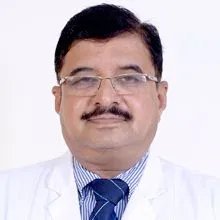
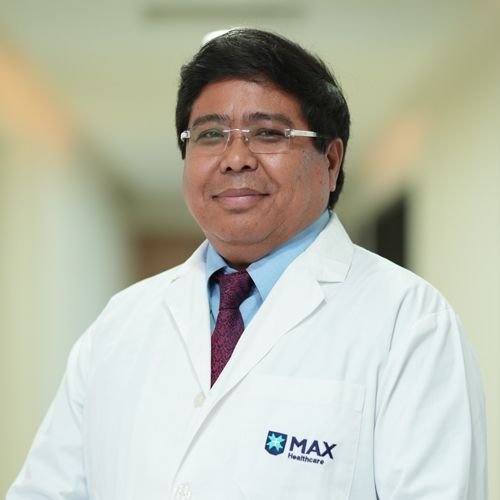
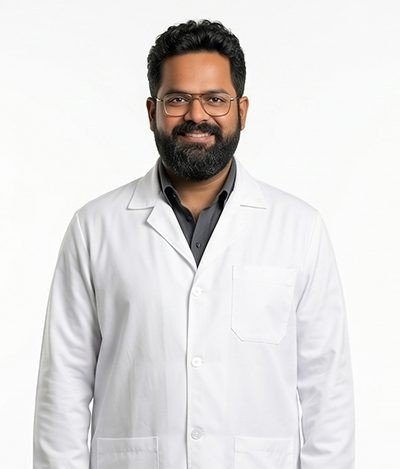
Among the vascular specialists our patients are referred to are Dr. Kumud Rai, Principal Director of Vascular Surgery at Max Saket, New Delhi, Dr. Rakesh Mahajan, Senior Consultant Vascular Surgeon at Indraprastha Apollo, New Delhi, whose work covers aortic and carotid surgery and diabetic foot limb salvage, Dr. Himanshu Verma, Director of Vascular and Endovascular Surgery at Fortis Memorial Research Institute, Gurugram, and Dr. C.P.S. Chauhan, Senior Director of Vascular Interventional Radiology at Max Noida, who performs aortic stent grafting and peripheral intervention. Compare more specialists on our best vascular surgeons in India page and centres on our best vascular surgery hospitals in India page.
Vascular surgery in India covers aortic aneurysm repair, peripheral artery disease treatment including angioplasty and bypass, carotid artery surgery for stroke prevention, varicose vein treatment, and diabetic foot revascularisation. Elective aortic aneurysm repair costs USD 7,000 to USD 20,000 with endovascular 30-day mortality under 2%, angioplasty and stenting for leg arteries costs USD 3,000 to USD 6,500, carotid endarterectomy USD 4,000 to USD 7,000, and varicose vein ablation from about USD 1,500 per leg, all roughly 70 to 80% below US and UK prices.
Types of Vascular Surgery in India We Cover
These five areas cover most of what patients travel for. Where we have a detailed cost page, it is linked so you can read further on the exact procedure your doctor has recommended.
1. Aortic Aneurysm Repair
An aortic aneurysm is a ballooning weak point in the wall of the body's main artery, in the abdomen or the chest, that grows silently and carries a real risk of sudden, often fatal rupture once it passes a certain size. Elective repair, done before rupture, is the goal, and India offers two main approaches. Endovascular aneurysm repair, or EVAR, places a covered stent graft through a small groin incision using fluoroscopic guidance and now accounts for well over 60% of elective abdominal aortic aneurysm repairs at Indian tertiary hospitals, with a shorter recovery than open surgery. Open surgical repair remains necessary where the anatomy does not suit a stent graft, particularly for some thoracic aneurysms, and is performed by cardiovascular and thoracic surgeons at high volume centres. Most international patients are discharged within 5 to 10 days. See the full breakdown of EVAR cost in India; open thoracic repair is planned with our cardiac surgery in India teams.
2. Peripheral Artery Disease: Angioplasty and Bypass
Peripheral artery disease narrows the arteries carrying blood to the legs, causing pain on walking that eases with rest, and in advanced cases pain at rest, non-healing wounds, or gangrene. Treatment starts with angioplasty and stenting, a minimally invasive procedure that reopens the artery from inside using a balloon catheter and, where needed, a stent to keep it open, done through a small puncture in the groin under local anaesthetic. Where the blockage is too long or too calcified for angioplasty, or where it has already failed, a bypass graft reroutes blood flow around the blocked segment using either a vein taken from elsewhere in the patient's body or a synthetic graft. India performs both at high volume, and treating below-the-knee disease specifically, which is what a threatened diabetic foot usually needs, is a genuine area of strength at the vascular centres we work with. See peripheral artery bypass cost in India and vascular bypass surgery cost.
3. Carotid Artery Surgery for Stroke Prevention
The carotid arteries in the neck supply blood to the brain, and plaque building up inside them is a major preventable cause of stroke. Carotid endarterectomy is the standard operation, opening the artery surgically and physically removing the plaque, usually done under regional or general anaesthetic with careful monitoring of blood flow to the brain during the procedure. Carotid artery stenting is the less invasive alternative, placing a stent from inside the artery through a groin or wrist puncture, and is generally reserved for patients at higher risk from open surgery or with anatomy that suits stenting better. The decision between the two, and whether surgery is needed at all, depends on how narrowed the artery is and whether the patient has already had symptoms such as a mini-stroke or temporary vision loss, which is exactly the kind of judgement call worth getting a second opinion on before committing to either. Learn more about carotid endarterectomy cost in India.
4. Varicose Vein Treatment
Varicose veins are swollen, twisted veins near the skin surface, most often in the legs, caused by faulty valves that let blood pool instead of flowing back to the heart. Left untreated they can progress to skin discolouration, chronic swelling, and venous ulcers that are slow to heal, which is why most treatment is medically indicated rather than cosmetic. Endovenous laser or radiofrequency ablation is now the standard first-line treatment, sealing the faulty vein shut from inside using heat delivered through a thin catheter, done under local anaesthetic as a walk-in walk-out procedure with patients back to normal activity within a day or two. Sclerotherapy, injecting a solution that closes smaller veins, treats what the laser leaves behind, and traditional vein stripping is now reserved for a small number of cases where the anatomy does not suit the newer techniques. See endovenous ablation cost in India.
5. Diabetic Foot Revascularisation
A diabetic foot wound that will not heal is very often a circulation problem as much as a wound care problem, and the vascular surgeon's role is to find out whether the arteries below the knee are open enough to let the wound heal at all. That starts with Doppler assessment and angiography, and where the vessels are narrowed or blocked, angioplasty or, less often, a bypass restores blood flow to the foot so that debridement, dressings and any skin grafting have a chance to work. This is done alongside the diabetic foot wound care programme described in more detail on our diabetes and endocrinology page, with the vascular and endocrine teams working the same case together rather than in sequence. Delay here is measured in tissue, and restoring blood flow early is very often what decides whether a foot is saved. Read about diabetic foot treatment in India.
Beyond these five, our network also covers dialysis access with AV fistula surgery alongside our nephrology teams, deep vein thrombosis treatment and thrombectomy, renal artery angioplasty and stenting, thoracic outlet syndrome, and vascular malformations. For a fuller list, browse the best vascular surgery hospitals in India or all procedures and costs.
What Vascular Surgery in India Costs
Indicative ranges at accredited hospitals in our network, in US dollars. Your exact figure depends on the stent or graft brand, whether the procedure is planned or urgent, and how complex the anatomy is.
| Treatment | Cost in India (USD) | Typical US / UK Cost | Time Needed in India |
|---|---|---|---|
| Vascular consultation with Doppler and imaging | 150 to 400 | 1,500 to 3,000 | 2 to 4 days |
| Endovascular aneurysm repair, EVAR | 7,000 to 20,000 | 50,000 to 80,000 | 10 to 14 days |
| Open abdominal aortic aneurysm repair | 8,000 to 16,000 | 45,000 to 70,000 | 14 to 21 days |
| Thoracic aortic aneurysm repair, TEVAR or open | 12,000 to 22,000 | 60,000 to 100,000 | 14 to 21 days |
| Angioplasty and stenting, leg artery | 3,000 to 6,500 | 15,000 to 25,000 | 3 to 5 days |
| Below-knee angioplasty for diabetic foot | 3,500 to 7,000 | 18,000 to 28,000 | 5 to 10 days |
| Peripheral bypass graft, leg | 4,500 to 9,000 | 25,000 to 40,000 | 10 to 14 days |
| Carotid endarterectomy | 4,000 to 7,000 | 25,000 to 40,000 | 7 to 10 days |
| Carotid artery stenting | 5,000 to 8,500 | 28,000 to 45,000 | 5 to 7 days |
| Varicose vein laser or radiofrequency ablation, per leg | 1,500 to 2,000 | 4,000 to 7,000 | 2 to 3 days |
| Sclerotherapy, per session | 150 to 400 | 800 to 1,500 | Same day |
| AV fistula creation for dialysis access | 500 to 1,200 | 5,000 to 12,000 | 3 to 5 days |
Indicative ranges only, and not a substitute for a clinical opinion. Urgent and complex anatomy cases cost more than elective ones, and stent or graft brand can shift the figure meaningfully. Every estimate we send is itemised.
The two things that move a vascular quote most are the device and the urgency. A covered stent graft for EVAR, a bare metal or drug-eluting stent for a leg artery, and a synthetic bypass graft are all named brands with genuinely different prices, and we ask every hospital to specify the brand on the estimate rather than quoting a bundled figure that hides which one is included. Urgency is the other factor: an aneurysm repaired electively at a planned size is a scheduled operation, while the same aneurysm repaired after symptoms have started or after rupture is emergency surgery with a different risk profile and a different cost. This is why we ask for your imaging as early as possible, so the plan can be made while it is still elective.
The other point worth making plainly: a quote that looks unusually low for EVAR or a carotid stent is very often quoting a cheaper device without saying so, in exactly the way a low implant quote in dentistry usually means a cheaper implant system. Ask for the brand in writing before you compare two numbers.
Why Patients Trust Nobel Medi Assistance for Vascular Surgery in India
Plenty of companies promise to arrange treatment. What sets us apart for vascular surgery in India is the depth of support and a record you can actually check.
Vascular cases coordinated across our network
Partner hospitals with hybrid vascular operating theatres
CT angiography reporting turnaround for surgical planning
Visa invitation, interpreters, stay, and follow-up after you fly home
Stent, graft and device brand named on every estimate, no hidden fees
See real outcomes and stories on our patient success stories page, and learn more about us and the services we provide.
How the Process Works
Arranging vascular surgery in India involves far more than booking an operating room. As a medical assistance company based in Delhi NCR, serving patients across India, we manage the whole path:
Send Your Scans
Share any imaging, Doppler reports and your history, and a vascular surgeon reviews the case within 48 hours, sooner if it looks urgent.
Device & Cost Options
You receive an itemised estimate naming the stent, graft or device brand, from two or three matched hospitals.
Travel & Visa Help
For international patients, we assist with the medical visa invitation, flights, and stay near the hospital.
Admission & Surgery
Airport pickup, a dedicated coordinator, interpreter support, and a smooth admission on a schedule that matches your urgency.
Recovery & Follow-up
Wound and access site care, a medication plan, and teleconsults after you fly home.
If your case looks urgent when we review it, we say so immediately and prioritise accordingly, rather than running the standard 48 hour timeline on a case where days matter. International patients can read how we arrange the medical visa for India.
Assessment Before Vascular Surgery in India
Every vascular case starts with imaging that maps the actual anatomy, because that is what decides whether a procedure is even possible from inside the vessel or needs open surgery. A Doppler ultrasound is usually the first step for leg and neck arteries and for varicose veins, giving a real-time picture of flow and blockage. CT angiography is the standard for planning aortic aneurysm repair and complex peripheral disease, and turnaround under 24 hours at the hospitals we work with means surgical planning is not held up waiting for a report. Blood tests, a cardiac fitness review, and kidney function are checked before any contrast-based imaging or surgery, since both affect and are affected by vascular disease. Getting this workup right the first time is what keeps a quote accurate.
Recovery After Vascular Surgery in India
Recovery depends heavily on which procedure was done. Endovascular procedures such as EVAR, angioplasty and carotid stenting go through a small puncture and generally mean a shorter hospital stay and a faster return to walking, though EVAR patients are still watched for 5 to 10 days before flying. Open procedures such as open aortic repair, bypass grafting and carotid endarterectomy involve a longer incision and a longer hospital stay, typically 7 to 21 days depending on complexity. Varicose vein ablation is the fastest of all, with most patients back to normal activity within a day or two. Across every procedure, you leave with wound or puncture site care instructions, a clear medication plan including any blood thinner, and a schedule for follow-up imaging that your local doctor can continue.
Talk to Us About Your Treatment
Whether you need aortic aneurysm repair, angioplasty or bypass for peripheral artery disease, carotid surgery for stroke prevention, varicose vein treatment, or diabetic foot revascularisation, Nobel Medi Assistance connects you with the right vascular surgeon in India and the right hospital for affordable, safe treatment, with our core network based in Delhi NCR. Share your scans today and let us handle the rest.
Indicative costs
| Procedure | Cost from (USD) | Details |
|---|---|---|
| Vascular Bypass Surgery | $5,500 | See breakdown → |
| Endo Venous Ablation | $1,500 | See breakdown → |
| Endovascular Aneurysm Repair | $7,000 | See breakdown → |
| Carotid Endarterectomy | $4,000 | See breakdown → |
| Thrombectomy | $400 | See breakdown → |
| Peripheral Artery Bypass Surgery | $4,500 | See breakdown → |
| Deep Vein Thrombosis (DVT) Treatment | $1,500 | See breakdown → |
| Renal Artery Angioplasty and Stenting | $1,800 | See breakdown → |
Estimates are indicative and all-inclusive for international patients. Your final cost is confirmed in writing after a specialist reviews your reports.
All procedures
No procedure matches that. Send us your reports and we will tell you what applies.
Specialists in Vascular Surgeries
Senior consultants treating this condition at our partner hospitals.
Find out what your treatment would cost
A senior specialist reviews your reports and sends a written plan within 48 hours. Free, with no obligation.