Pediatric Treatments Treatment in India
Paediatric cardiac, oncology, neurosurgery and transplant care.
Top doctors
for Pediatric TreatmentsSenior specialists who perform these cases weekly, not occasionally.
- 20+ years of practice
- Written second opinion first
Top hospitals
for Pediatric TreatmentsAccredited hospitals with the case volume this treatment actually requires.
- JCI and NABH accredited
- International patient desk
The short answer
Paediatric surgery in India costs USD 1,500 to USD 40,000 depending on the condition. Paediatric cardiac surgery is USD 4,500 to USD 8,000 and paediatric bone marrow transplant USD 25,000 to USD 40,000. One parent stays with the child throughout.
About Pediatric Treatments in India
Paediatric Surgery in India
Paediatric surgery in India for babies, children, and teenagers, from congenital heart surgery to scoliosis, clubfoot, spina bifida, and bone marrow transplant, led by dedicated paediatric specialists with full support for Indian and international families.
Let Us Help You
Share your child's reports and get a free specialist opinion and cost estimate within 48 hours.
100% confidential · no cost, no obligation
Paediatric surgery in India covers congenital heart surgery (ASD and VSD repair, Tetralogy of Fallot, arterial switch, Glenn shunt), paediatric scoliosis and spine surgery, clubfoot and foot deformities, cerebral palsy surgery, spina bifida and hydrocephalus surgery, and bone marrow transplant for thalassaemia and childhood cancers. International packages start from about $800 for foot deformity treatment, $5,500 for ASD or VSD repair, and $6,000 for Tetralogy of Fallot repair, a fraction of Western prices. Nobel Medi Assistance matches your child with leading paediatric hospitals in India and senior paediatric surgeons in India. For a free case review, contact our team.
Children are not small adults, and surgery on a child is a different discipline. A newborn's heart is the size of a walnut, a baby's blood volume is measured in cupfuls, and the anaesthesia, intensive care, and nursing all have to be built around that. That is why the single most important choice a family makes is not the city or even the hospital, but whether the team is genuinely paediatric: paediatric surgeons, paediatric anaesthetists, a paediatric or neonatal ICU, and nurses who look after children every day. India has some of the busiest paediatric cardiac, orthopaedic, and bone marrow transplant programmes in Asia, which is why families from smaller Indian cities and from Africa, the Middle East, and Central Asia travel here. This guide explains every major type of paediatric surgery in India, the right age for each, indicative costs, what to expect before and after, and how Nobel Medi Assistance plans the whole journey for your family.
Paediatric Surgery in India: Key Facts
The questions parents ask first, answered in one place.
| Question | Answer for Paediatric Surgery in India |
|---|---|
| Most common procedures | ASD and VSD repair, Tetralogy of Fallot repair, clubfoot treatment, scoliosis surgery, spina bifida repair, bone marrow transplant |
| Cost from (international) | About $800 for foot deformity treatment up to $12,000 for scoliosis surgery; heart surgery from about $4,000 to $6,000 |
| Who operates | Dedicated paediatric cardiac surgeons, paediatric orthopaedic surgeons, paediatric neurosurgeons, and paediatric haemato-oncologists |
| Hospital stay | From day care for minor procedures to one to two weeks for open heart surgery |
| Time in India for heart surgery | Usually about three to four weeks including assessment and review |
| Can a parent stay? | Yes, one parent normally stays with the child throughout |
| Timing matters most for | Newborn heart defects, spina bifida, clubfoot, and squint, where early treatment changes the outcome |
Why Families Choose Paediatric Surgery in India
Dedicated children's teams, very high surgical volume, and a cost that does not force a family to choose between treatment and savings.
Truly Paediatric Teams
Leading centres in India have paediatric surgeons, paediatric anaesthetists, and a dedicated paediatric or neonatal ICU, which is what keeps a small child safe through and after surgery.
High-Volume Heart Programmes
Several of India's paediatric cardiac surgeons have operated on thousands of children with congenital heart disease, including newborns, which matters enormously in complex repairs.
A Fraction of the Cost
Paediatric surgery in India typically costs a small fraction of the same operation in the US, UK, or Gulf, with the same devices, implants, and international protocols.
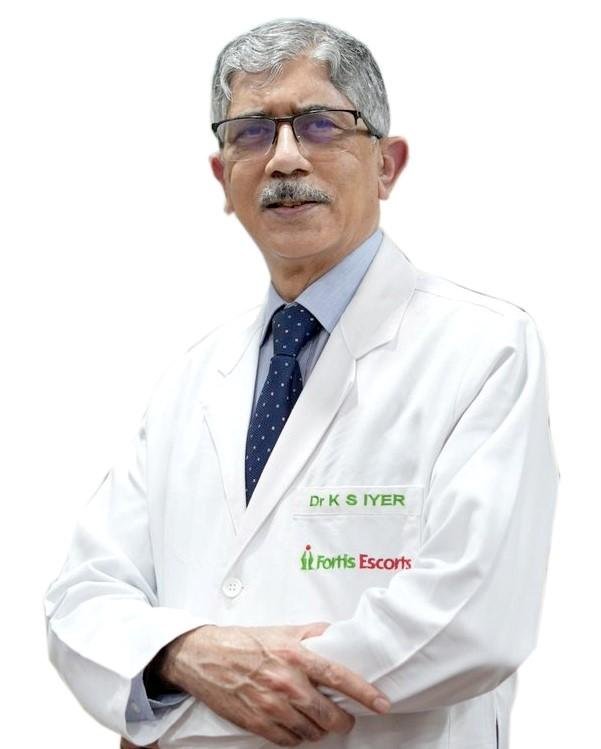
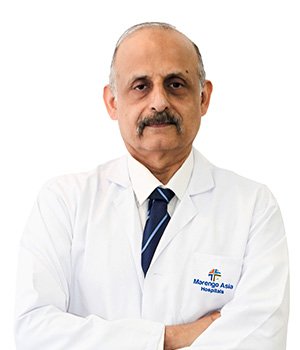
Volume is the first reason, and in children's heart surgery it is the single strongest predictor of a good result. India sees a very large number of children born with congenital heart disease every year, and the paediatric cardiac programmes in Delhi NCR operate on newborns and infants week in and week out. Senior surgeons in our network such as Dr. Krishna Subramony Iyer of Fortis Escorts Heart Institute, Dr. Kulbhushan Singh Dagar of Max Saket, Dr. Rajesh Sharma of Marengo Asia Hospital, and Dr. Aseem R. Srivastava of Artemis have decades of congenital heart surgery behind them.
Subspecialisation is the second reason. A child with scoliosis needs a paediatric spine surgeon, a baby with clubfoot needs a paediatric orthopaedic surgeon, a child with thalassaemia needs a paediatric bone marrow transplant unit, and a baby with spina bifida needs a paediatric neurosurgical team. The best paediatric hospitals in India have all of these under one roof, along with paediatric radiology, physiotherapy, and child life support that helps children cope with the hospital stay.
Cost and support are the third reason. Paediatric surgery in India typically costs a fraction of Western prices, which matters most for families facing staged surgery over several years, such as a Glenn shunt followed later by a Fontan, or long-term follow-up after a bone marrow transplant. For international families we arrange medical visa assistance for the child and parents, airport pickup, interpreters, and accommodation near the hospital, and Nobel Medi Assistance never marks up hospital pricing.
Types of Paediatric Surgery in India We Cover
Congenital heart surgery, spine and orthopaedic surgery, paediatric neurosurgery, and bone marrow transplant make up most paediatric surgery in India. Each links to a detailed page with indicative costs and the specialists who perform it.
1. Paediatric ASD and VSD Repair in India
An atrial septal defect (ASD) or ventricular septal defect (VSD) is a hole in the wall between the heart's chambers, and together they are among the commonest heart defects children are born with. Small holes often close on their own in the first year or two, which is why a paediatric cardiologist may advise watching rather than operating. A larger hole lets too much blood flow into the lungs, which can cause breathlessness, poor feeding, slow weight gain, and frequent chest infections, and if it is left too long it can permanently damage the lung blood vessels. Many ASDs and some VSDs can now be closed without open surgery, using a folding device passed through a vein in the groin, with the child home in a day or two. Larger defects, or those in a position a device cannot reach, are closed with open heart surgery using a patch, usually with a hospital stay of about a week. Results in experienced centres are excellent, and most children go on to live completely normal lives. Read the full guide to paediatric ASD and VSD repair in India, and see ASD and VSD closure for adults and device closure.
2. Tetralogy of Fallot, Arterial Switch and Glenn Shunt Surgery in India
Some heart defects are more complex and need surgery at a specific age. Tetralogy of Fallot combines four problems, including a VSD and a narrowed outflow to the lungs, and causes the bluish colour known as cyanosis. Complete repair is usually done in the first year of life, often between three and twelve months, and most children then grow and develop normally with lifelong cardiology follow-up. Transposition of the great arteries, where the two main arteries are connected the wrong way round, needs an arterial switch operation, ideally within the first two to three weeks after birth, which makes it one of the most time-critical operations in paediatrics and one that belongs in a high-volume neonatal heart unit. Children born with only one working pumping chamber are treated in stages: a Glenn shunt, usually in the first year, redirects blood from the upper body straight to the lungs, and a Fontan operation later in childhood completes the circulation. Read the full guides to Tetralogy of Fallot repair, arterial switch surgery, and Glenn shunt surgery in India, or see cardiac surgery in India.
3. Paediatric Scoliosis and Kyphosis Surgery in India
Scoliosis is a sideways curve of the spine, kyphosis an excessive forward rounding, and both often appear or worsen during the growth spurt of early adolescence, sometimes noticed first as uneven shoulders or a rib hump when bending forward. Most curves are mild and only need monitoring. Bracing is used for moderate curves in children who are still growing, and it works by stopping the curve getting worse rather than straightening it. Surgery is considered when a curve passes roughly forty-five to fifty degrees or keeps progressing, because large curves tend to worsen even after growth stops and can eventually affect the lungs. The operation straightens and stabilises the spine with screws and rods, under continuous nerve monitoring, and most teenagers are walking within a day or two and back at school within weeks. Very young children with early-onset scoliosis may need growth-friendly rods that are lengthened as they grow. Paediatric spine surgeons such as Dr. Sanjay Swarup of Artemis focus on exactly these cases. Read the full guide to paediatric scoliosis and kyphosis surgery in India, and see robotic scoliosis correction.
4. Clubfoot, Foot Deformities and Cerebral Palsy Surgery in India
Clubfoot, where a baby's foot is turned inward and downward at birth, is one of the commonest birth differences, and the good news is that most cases are corrected without major surgery. The Ponseti method uses a series of gentle weekly plaster casts, started in the first weeks of life, usually followed by a tiny procedure to release the Achilles tendon and then a foot brace worn at night for several years. Started early and followed properly, it gives most children a normal, pain-free foot. Other foot deformities such as flat feet, vertical talus, and toe deformities are assessed and treated by a paediatric orthopaedic surgeon. Cerebral palsy is a different challenge: muscle tightness and spasticity pull joints out of position as a child grows, and orthopaedic surgery to lengthen tendons and correct bones, sometimes at several levels in a single operation, can greatly improve walking and comfort when combined with physiotherapy. Paediatric orthopaedic surgeons in our network include Dr. Manoj Padman, Dr. Ramani Narasimhan, Dr. Somesh Virmani, and Dr. Ratnav Ratan. Read the guides to paediatric foot deformities treatment and cerebral palsy surgery in India.
5. Spina Bifida, Hydrocephalus and Paediatric Neurosurgery in India
Spina bifida happens when the spinal column does not close fully during early pregnancy. In its most serious form, myelomeningocele, the spinal cord and nerves are exposed at birth, and the defect is usually closed surgically within the first day or two of life to protect the nerves and prevent infection. Many of these babies also develop hydrocephalus, a build-up of fluid in the brain, which is treated with a VP shunt or, in selected cases, an endoscopic procedure. Children with spina bifida often need long-term care from neurosurgery, orthopaedics, urology, and physiotherapy, and a centre that coordinates all of these makes family life far easier. Paediatric neurosurgery also covers brain tumours in children, epilepsy surgery, and head injury, and paediatric neurologists such as Dr. Vineet Bhushan Gupta, Dr. Rekha Mittal, Dr. Rakesh Kumar Jain, and Dr. Ajit Singh Baghela manage the medical side. Read the guides to paediatric spina bifida surgery and VP shunt surgery in India, or see neurosurgery in India.
6. Paediatric Bone Marrow Transplant and Cancer Care in India
A bone marrow transplant replaces a child's blood-forming system with healthy stem cells, and for some conditions it is a genuine cure. Thalassaemia major, which is common in India and the Middle East, otherwise means a lifetime of blood transfusions, and a transplant in early childhood, ideally from a matched brother or sister, can end that for good. Half-matched transplants from a parent have made the option available to many more families who have no matched sibling. Transplants are also used for aplastic anaemia, some immune deficiencies, and leukaemia that has come back or is high risk. The child spends several weeks in an isolation room while the new marrow takes, followed by months of careful follow-up. Childhood cancers such as leukaemia, lymphoma, and solid tumours are treated by paediatric haemato-oncologists, and many are highly curable. Specialists in our network include Dr. Satya Prakash Yadav of Medanta, Dr. Vikas Dua of Fortis Memorial Research Institute, and Dr. Arun Singh Danewa of Artemis. Read the guide to bone marrow transplant in India, and see cancer treatment in India.
Beyond these six, our network covers general paediatric surgery such as hernia, undescended testis, hypospadias, and bowel and kidney conditions, led by surgeons such as Dr. Prashant Jain, Principal Director and Head of Paediatric Superspecialities at BLK-Max. We also arrange cochlear implants for children born with severe hearing loss, squint surgery, which should be done early to prevent a lazy eye, and paediatric liver and kidney transplant. See all the best paediatric doctors in India, or browse all procedures with indicative costs.
Conditions Treated with Paediatric Surgery in India
The paediatric hospitals in India we work with treat the full range of congenital and childhood conditions.
Cost of Paediatric Surgery in India
The cost depends on the procedure, the child's age and weight, the length of ICU stay, and any device or implant used.
The figures below are indicative starting costs for international patients, to help you plan rather than fixed quotes. Paediatric surgery in India costs a fraction of the same operation abroad, and Nobel Medi Assistance sends a personalised, itemised estimate once a specialist has reviewed your child's reports.
| Paediatric Surgery in India | International Package From (USD) | Full Cost Breakdown |
|---|---|---|
| Paediatric Foot Deformities Treatment | $800 | See breakdown → |
| Paediatric Spina Bifida Surgery | $3,500 | See breakdown → |
| Glenn Shunt (Bidirectional Glenn) | $4,000 | See breakdown → |
| Arterial Switch Operation | $5,000 | See breakdown → |
| Cerebral Palsy Surgery | $5,000 | See breakdown → |
| Paediatric ASD / VSD Repair | $5,500 | See breakdown → |
| Tetralogy of Fallot Repair | $6,000 | See breakdown → |
| Paediatric Scoliosis and Kyphosis Surgery | $12,000 | See breakdown → |
| Bone Marrow Transplant | $18,000 | See breakdown → |
Note: Costs are approximate and change with the hospital, the surgeon, the child's age, weight, and condition, the length of ICU stay, and any device or implant used. Newborn and complex heart surgery and staged procedures cost more. Ask us for a written estimate before you decide.
Two things are worth checking before you compare quotes. First, ask what the package covers for intensive care, because a child's ICU stay after heart surgery can vary from a couple of days to a couple of weeks, and that is often the biggest difference between quotes. Second, ask whether the parent's stay in the hospital, follow-up echocardiograms or scans, and any device such as an ASD occluder are included. Some Indian health insurance plans and government schemes cover children's heart surgery for eligible families, while international families usually pay through all-inclusive packages. Nobel Medi Assistance helps you read the fine print either way. Ask us for a written estimate →
Why Families Choose Nobel Medi Assistance
Plenty of companies promise to arrange treatment. What sets us apart for paediatric surgery in India is matching your child to a genuinely paediatric team, and staying with your family throughout.
Your child matched to a dedicated paediatric subspecialist, never a generalist
Partner hospitals, matched to your child's case not the priciest
Free specialist opinion before you commit to travel
Visas for child and parents, stay, interpreters, and follow-up
ICU, device, and parent stay shown in the estimate
See real outcomes on our patient success stories page, and learn more about us and how we work.
How Paediatric Surgery in India Works, Step by Step
Arranging surgery for a child involves far more than booking an operation. As a medical assistance company based in Delhi, we manage the whole path:
Free Case Review
Share your child's echo, X-rays, MRI, or blood reports and we get a senior paediatric specialist's opinion within 48 hours.
Plan & Cost
You receive a treatment plan and an itemised estimate, including ICU stay and any device, across matched children's centres.
Travel & Visa Help
Medical visas for the child and parents, flights, and family accommodation near the hospital.
Admission & Surgery
Airport pickup, a dedicated coordinator, interpreter support, and a parent with the child throughout.
Recovery & Follow-up
Paediatric ICU and ward care, a fit-to-fly check, and teleconsults with the specialist after you go home.
This end-to-end support is what makes paediatric surgery in India feel manageable rather than overwhelming, whether you are travelling from within India or from another country. If you are coming from abroad, our medical visa assistance team issues the hospital invitation letter and guides the child and accompanying parents through the paperwork.
Tests Done Before Paediatric Surgery in India
The tests depend on the condition, and the team keeps them as gentle as possible for a child. For heart conditions, an echocardiogram is the key test and is painless, often supported by an ECG, a chest X-ray, and in complex cases a CT or MRI of the heart or a cardiac catheterisation. For scoliosis, standing full-spine X-rays measure the curve, and an MRI may be added to check the spinal cord. Clubfoot and foot deformities are assessed by clinical examination and sometimes X-rays. Spina bifida and hydrocephalus need an MRI or ultrasound of the brain and spine. Before a bone marrow transplant, the child and family members have HLA tissue typing to find a donor, along with heart, lung, kidney, and infection checks. Every child also has routine blood tests and a pre-anaesthetic assessment by a paediatric anaesthetist. Sharing existing reports in advance helps the specialist plan and can shorten your time in India.
Recovery and Life After Surgery
Children often recover faster than adults, but the plan depends on the operation. After device closure of an ASD or VSD, most children go home within a day or two. After open heart surgery, expect a few days in the paediatric cardiac ICU and about a week on the ward, with most children back to normal play within a few weeks and regular cardiology check-ups afterwards. After scoliosis surgery, teenagers usually walk within a day or two, return to school in a few weeks, and avoid contact sports for several months. Clubfoot treatment continues at home with a night-time brace for several years, and sticking with the brace is what prevents the foot from relapsing. After a bone marrow transplant, the child stays in an isolation room for several weeks and needs close follow-up for months. A parent stays with the child throughout, and the team teaches you what to watch for at home. Nobel Medi Assistance builds follow-up into the plan, and for international families we confirm the child is fit to fly before you leave.
Paediatric Surgery in India: Your Questions Answered
Scroll within the panel below for all 12 questions on paediatric surgery in India.
Scroll for more questions
Talk to Us About Your Child's Treatment
Whether your child needs heart surgery, scoliosis or clubfoot treatment, spina bifida or hydrocephalus surgery, or a bone marrow transplant, Nobel Medi Assistance connects you with the right paediatric specialist and hospital for safe, affordable paediatric surgery in India. Share your child's reports today, in complete confidence, and let us handle the rest.
Indicative costs
| Procedure | Cost from (USD) | Details |
|---|---|---|
| Pediatric ASD/VSD Repair | $5,500 | See breakdown → |
| Tetralogy of Fallot (TOF) Repair | $6,000 | See breakdown → |
| Arterial Switch Surgery (Arterial Switch Operation) | $5,000 | See breakdown → |
| Pediatric Foot Deformities Treatment | $800 | See breakdown → |
| Pediatric Scoliosis and Kyphosis Surgery | $12,000 | See breakdown → |
| Glenn Shunt (Bidirectional Glenn Procedure) | $4,000 | See breakdown → |
Estimates are indicative and all-inclusive for international patients. Your final cost is confirmed in writing after a specialist reviews your reports.
All procedures
No procedure matches that. Send us your reports and we will tell you what applies.
Specialists in Pediatric Treatments
Senior consultants treating this condition at our partner hospitals.
Find out what your treatment would cost
A senior specialist reviews your reports and sends a written plan within 24 hours. Free, with no obligation.