
Bone Marrow Transplant in India
Also known as BMT cost India, stem cell transplant India, hematopoietic stem cell transplant (HSCT), autologous transplant, allogeneic transplant, thalassemia bone marrow transplant
The short answer
Bone marrow transplant in India costs between $14,000 and $38,000 depending on the type, against $150,000 to $300,000+ in Western countries. Autologous transplants (using the patient's own cells) sit at the lower end, while allogeneic transplants (using donor cells) cost more depending on how closely the donor is matched.
About Bone Marrow Transplant
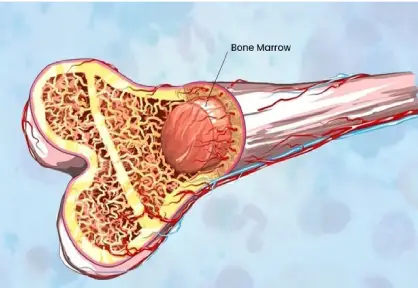
A bone marrow transplant (BMT), also called a hematopoietic stem cell transplant (HSCT), replaces damaged or diseased bone marrow with healthy blood-forming stem cells. It is used to treat certain blood cancers such as leukemia and lymphoma, and non-cancerous conditions such as thalassemia and aplastic anemia. There are two main types: autologous, using the patient's own stem cells, and allogeneic, using stem cells from a donor.
Autologous transplant
In an autologous transplant, the patient's own stem cells are collected and stored before high-dose chemotherapy, which destroys the diseased marrow along with the cancer. The stored stem cells are then infused back to rebuild healthy marrow. Because there's no donor to match, this type generally has a more predictable process and lower cost.
Allogeneic transplant
In an allogeneic transplant, stem cells come from a donor, ideally a fully HLA-matched sibling, or otherwise a matched unrelated donor or a partially matched (haploidentical) family donor. The degree of donor match significantly affects both the cost and the process: a matched sibling donor is the most straightforward and least expensive, a haploidentical (half-matched) donor requires additional preparation, and an unrelated donor found through a registry search adds both time and cost. Allogeneic transplants carry a risk of graft-versus-host disease (GvHD), where the donor's immune cells react against the patient's body, which is monitored and managed closely after transplant.
What the transplant can and cannot do
A successful transplant restores the body's ability to produce healthy blood cells and, for cancer patients, is often the treatment most likely to achieve long-term remission. It is a demanding process: the weeks around transplant carry real risks, including infection, bleeding, and GvHD, and require careful hospital monitoring, which is why the stay is longer than with most surgical procedures.
Bone Marrow Transplant cost
| Country | Indicative cost |
|---|---|
| India — with Nobel Medi Assistance | $18,000 – $36,000 |
Figures are indicative for international patients and depend on the hospital, the surgeon and your reports. Your exact cost is confirmed in writing after a specialist review — free, and with no obligation.
What the estimate covers
Included
- Haematologist/BMT specialist and transplant team fees
- Stem cell collection and processing (patient or matched sibling donor)
- Conditioning chemotherapy before transplant
- Transplant infusion and isolation ward stay for the planned duration
- Routine medicines during the hospital stay
- Post-transplant monitoring before discharge
Not included
- Diagnostic workup, HLA typing, and staging tests done before arrival in India
- Flights, visa and travel insurance for the patient and accompanying family
- Accommodation once discharged from hospital
- Unrelated donor registry search and donor procurement fees, where applicable
- Treatment for complications such as graft-versus-host disease (GvHD), if they occur
- Long-term follow-up care and medication after returning home
Specialists who perform this
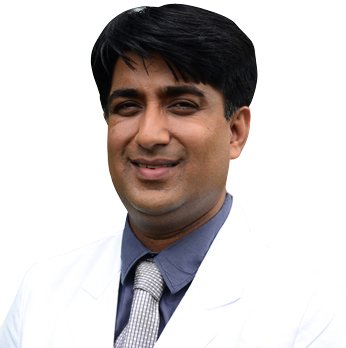
Dr. Dharma Choudhary
Hematology / Bone Marrow Transplant 👑 20+ years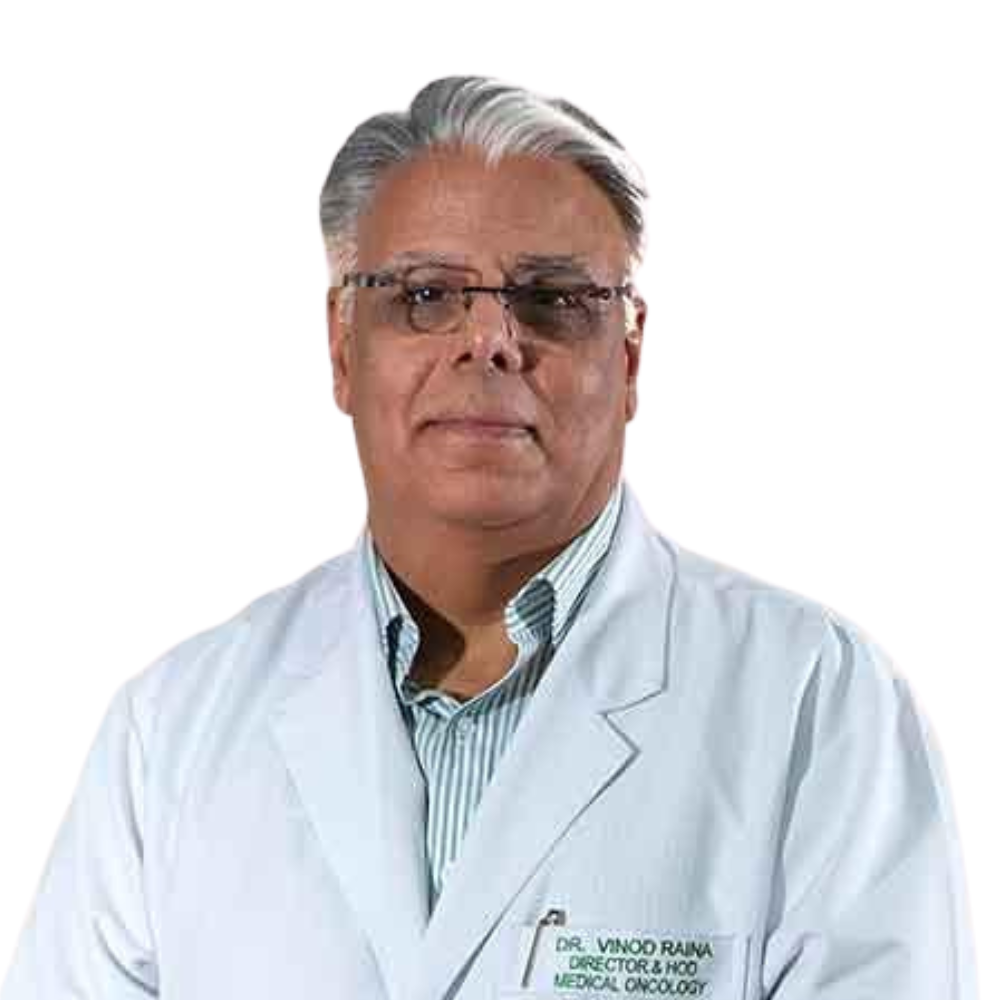
Dr. Vinod Raina
Medical Oncology 👑 42+ years
Dr. Priya Tiwari
Medical Oncology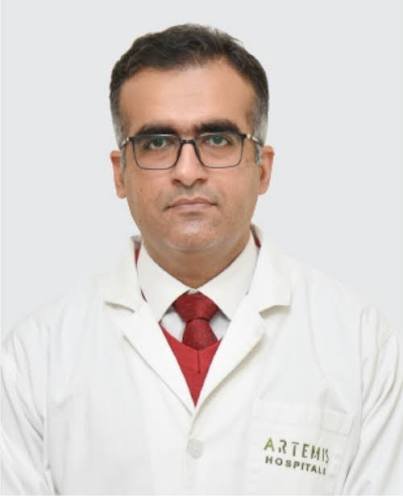
Dr Gaurav Dixit
Haematology / Bone Marrow Transplant 👑 15+ years
Dr Arun Singh Danewa
Pediatric Haemato-Oncology / Bone Marrow Transplant 👑 10+ years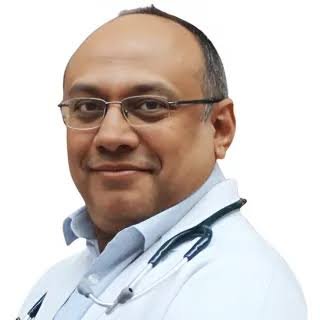
Dr Rahul Bhargava
Hematology / Bone Marrow Transplant 👑 24+ years
Dr Vikas Dua
Pediatric Hematology-Oncology / Bone Marrow Transplant 👑 16+ years
Dr. Reyaz Ahmad
Cancer & Oncology 👑 17+ years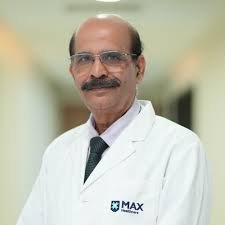
Dr. Satyaranjan Das
Cancer & Oncology 👑 35+ years
Dr. Shishir Seth
Cancer & Oncology 👑 20+ years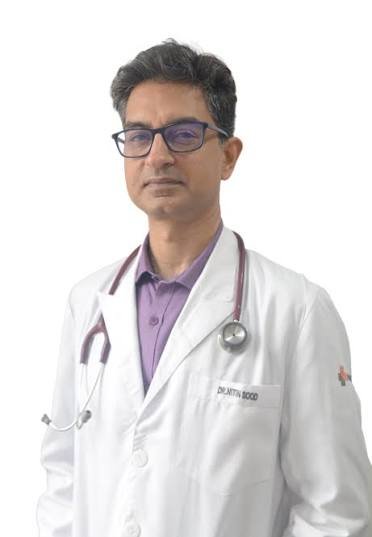
Dr. Nitin Sood
Cancer & Oncology 👑 28+ years
Dr. Divya Bansal
Cancer & Oncology 👑 22+ years
Dr. Satya Prakash Yadav
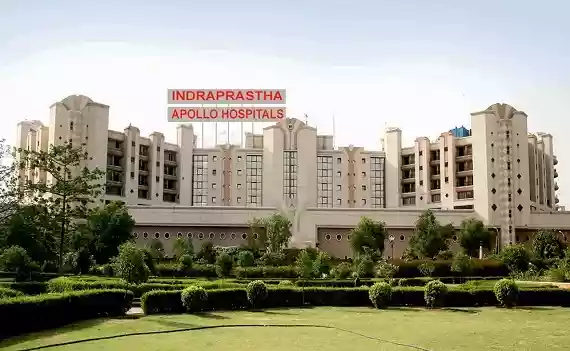
Pediatric Treatments 👑 31+ yearsWhere it is done
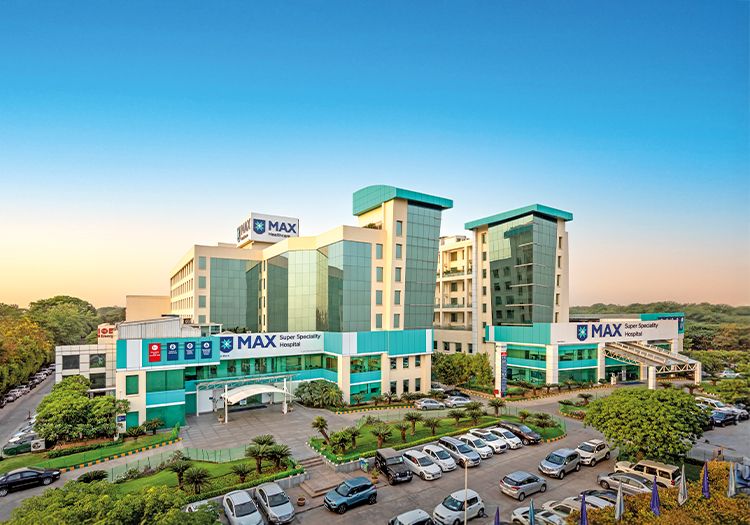
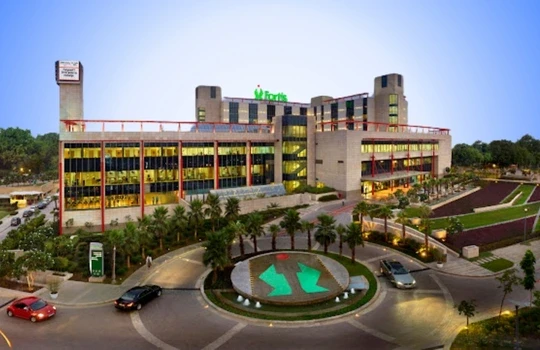
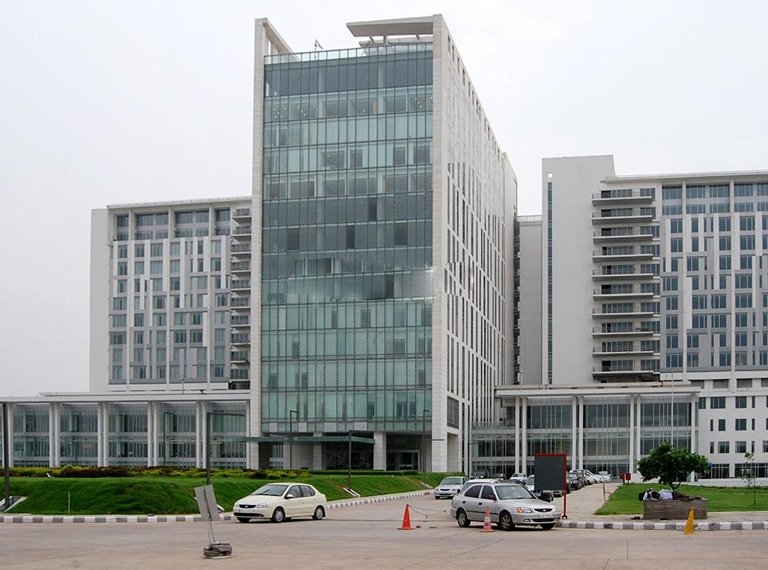
What would your Bone Marrow Transplant cost?
Send your reports and a senior specialist sends back a written plan with costs within 24 hours. Free, with no obligation.