
Sacral Colpopexy (Robotic Sacrocolpopexy) in India
Also known as sacrocolpopexy, robotic sacrocolpopexy, pelvic organ prolapse repair, vaginal vault suspension
The short answer
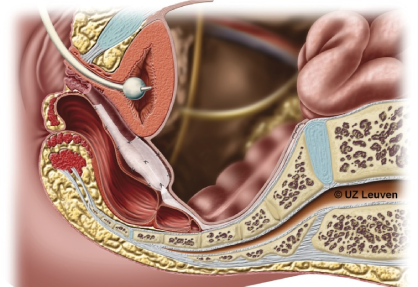
Sacral colpopexy in India costs between USD 4,000 and USD 6,500 for international patients, against USD 15,000 to USD 20,000 or more for the same robotic procedure in the US. A synthetic mesh is used to reattach the top of the vagina to the sacrum, the bone at the base of the spine, correcting pelvic organ prolapse and restoring normal pelvic support. It is considered the gold-standard surgical repair for vaginal vault prolapse, with long-term success rates of 85 to 95 percent.
About Sacral Colpopexy (Robotic Sacrocolpopexy)
Sacral colpopexy treats pelvic organ prolapse, a condition where the bladder, uterus, or rectum descends from its normal position due to weakened pelvic floor support. A synthetic mesh is attached to the top of the vagina and anchored to the sacrum, restoring the vagina's normal position and providing durable, long-term support. It is generally considered the most effective and durable surgical option for significant apical (vaginal vault) prolapse.
Procedures Available
Robotic sacrocolpopexy performs the procedure through several small incisions using the da Vinci surgical system, offering a magnified 3D view and precise suturing for attaching the mesh, generally associated with less blood loss and a shorter hospital stay than open surgery. Laparoscopic sacrocolpopexy achieves similar results using standard laparoscopic instruments instead of the robotic system, at a somewhat lower cost. If the uterus is still present and prolapsed, a hysterectomy is sometimes performed at the same time, depending on the patient's preference and whether uterus preservation is desired.
Cost
The estimate covers pre-operative evaluation, the surgery, anaesthesia, and hospital stay through discharge. The robotic approach costs somewhat more than laparoscopic sacrocolpopexy, and combining the procedure with a concurrent hysterectomy adds further to the total.
How Long the Trip Takes
Most patients plan for 10 to 12 days in India, covering pre-operative pelvic floor evaluation, 1 to 3 days in hospital after surgery, and a recovery period before flying home, since sitting for a long flight too soon after pelvic surgery is not advisable.
Choosing a Hospital
Choose a urogynaecology or pelvic reconstructive surgery specialist with specific sacrocolpopexy experience, since correct mesh placement and tension are what determine long-term durability. Ask whether robotic or laparoscopic approach is recommended for your case and why, since outcomes between the two are generally similar, with cost and recovery being the main differences.
Sacral Colpopexy (Robotic Sacrocolpopexy) cost
| Country | Indicative cost |
|---|---|
| India — with Nobel Medi Assistance | $3,000 – $8,000 |
Figures are indicative for international patients and depend on the hospital, the surgeon and your reports. Your exact cost is confirmed in writing after a specialist review — free, and with no obligation.
What the estimate covers
Included
- Pre-operative pelvic floor evaluation
- Surgeon and anaesthesia fees
- The surgical mesh
- Robotic system usage, where chosen
- Operation theatre charges
- Hospital stay through discharge
Not included
- Flights and visa fees
- Accommodation outside the hospital
- Concurrent hysterectomy fee, if the uterus is removed at the same time
- Pelvic floor physiotherapy after discharge
- Repeat surgery, if prolapse recurs over time
- Extended hospital stay if complications arise
Specialists who perform this


Where it is done


What would your Sacral Colpopexy (Robotic Sacrocolpopexy) cost?
Send your reports and a senior specialist sends back a written plan with costs within 24 hours. Free, with no obligation.