

Rheumatology in India
Rheumatoid arthritis, ankylosing spondylitis, psoriatic arthritis, lupus and gout diagnosed and treated, including biologic therapy, in India.
Top doctors
for RheumatologySenior specialists who perform these cases weekly, not occasionally.
- 20+ years of practice
- Written second opinion first
Top hospitals
for RheumatologyAccredited hospitals with the case volume this treatment actually requires.
- JCI and NABH accredited
- International patient desk
The short answer
Rheumatology treatment in India covers rheumatoid arthritis, ankylosing spondylitis, psoriatic and other inflammatory arthritis, lupus and connective tissue disease, and gout. A full diagnostic workup costs USD 150 to USD 400 over two to four days, conventional DMARD therapy USD 30 to USD 100 a month, and biosimilar biologic therapy USD 200 to USD 600 a month, roughly 60 to 80% below US and UK biologic pricing.
About Rheumatology in India
Why Patients Choose Rheumatology Treatment in India
Joint pain that will not settle is often dismissed as ordinary wear and tear for years before anyone tests for the autoimmune cause. Here is what rheumatology treatment in India can settle quickly, and what continues afterwards.
Rheumatology treatment in India covers the diseases where the immune system attacks the body's own joints, connective tissue or organs, and like endocrinology, most of it is managed for years rather than cured in a single visit. What a trip to India settles well is the part that usually takes the longest at home: a confident diagnosis backed by the right blood tests and imaging, a treatment plan from a rheumatologist who sees these conditions daily rather than occasionally, and where biologic therapy is indicated, getting the first doses started under supervision. What continues afterwards is the ongoing medication and monitoring, and any plan we help arrange is written for a doctor where you live to carry forward, not something that only works while you are here.
The reason cost matters so much in this specialty is the medication, not the consultation. Rheumatoid arthritis, ankylosing spondylitis and psoriatic arthritis are increasingly treated with biologic drugs such as TNF inhibitors, and these are expensive everywhere, but India manufactures and exports biosimilar versions of the same molecules at a fraction of the price charged in the US, UK or Gulf. A patient whose disease is not adequately controlled on conventional DMARDs, or who cannot access or afford biologic therapy at home, often finds that starting it in India and continuing on the biosimilar afterwards is the single biggest saving available anywhere in their care.
Where rheumatology overlaps with surgery, mainly in advanced joint damage that needs replacement, an Indian rheumatologist and orthopaedic surgeon plan the case together rather than in sequence, which matters because operating on a joint while the underlying inflammatory disease is poorly controlled gives a worse result. Nobel Medi Assistance works with a network anchored in Delhi NCR where rheumatology, orthopaedics and physiotherapy sit inside the same hospitals, and we arrange the medical visa, interpreter, airport pickup and accommodation so the assessment and treatment run to plan.
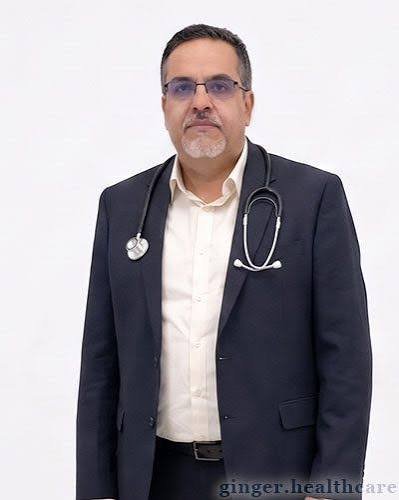
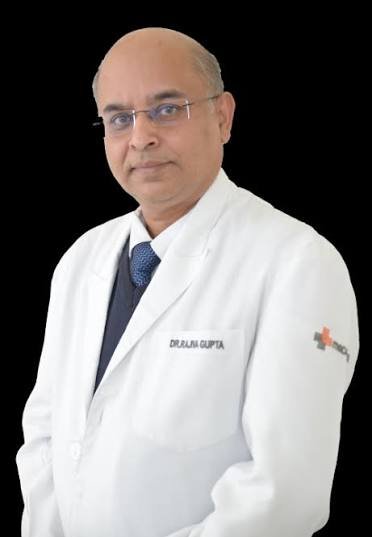
Among the rheumatologists our patients are referred to are Dr. Rajiva Gupta, Senior Director and Head of Rheumatology and Clinical Immunology at Medanta, Gurugram, Dr. Sundeep Kumar Upadhyaya, Senior Consultant Rheumatologist at Indraprastha Apollo, New Delhi, with a focus on biologic and IVIG therapy, Dr. Sumeet Agrawal, Chief of Rheumatology and Clinical Immunology at Artemis Hospital, Gurugram, and Dr. Naval Mendiratta, Senior Consultant Rheumatologist at Fortis Memorial Research Institute, Gurugram, whose focus includes vasculitis, lupus and spondyloarthropathy. Compare more specialists on our best rheumatologists in India page and centres on our best rheumatology hospitals in India page.
Rheumatology treatment in India covers rheumatoid arthritis, ankylosing spondylitis and axial spondyloarthritis, psoriatic and other inflammatory arthritis, lupus and connective tissue disease, and gout with metabolic joint disease. A full rheumatology workup with a specialist costs USD 150 to USD 400 over two to four days, a packaged medical management plan with tests and an initial medication supply starts from about USD 1,500, conventional DMARD therapy runs USD 30 to USD 100 a month, and biologic or biosimilar therapy USD 200 to USD 600 a month, roughly 60 to 80% below US and UK biologic pricing.
Types of Rheumatology Treatment in India We Cover
These five areas cover most of what patients travel for. Where we have a related treatment or cost page, it is linked so you can read further on the exact condition your doctor has raised.
1. Rheumatoid Arthritis
Rheumatoid arthritis is an autoimmune disease where the immune system attacks the lining of the joints, causing pain, swelling and stiffness that is usually worst in the morning and improves with movement, most often in the small joints of the hands and feet first. Left inadequately treated it progresses through stages, from reversible joint inflammation toward permanent joint damage and deformity, which is why early, correctly targeted treatment matters more than almost anything else in this disease. Treatment in India follows the same evidence-based ladder used internationally: conventional DMARDs such as methotrexate as the foundation, stepping up to biologic or targeted synthetic DMARDs where disease activity remains high, with occupational therapy to protect joint function throughout. Where joint damage is already advanced, arthroscopy, synovectomy or joint replacement may be needed, planned jointly between rheumatology and orthopaedics. See what a rheumatology medical management package in India includes, and our joint replacement surgery in India page for advanced joint damage.
2. Ankylosing Spondylitis and Axial Spondyloarthritis
Ankylosing spondylitis is an inflammatory disease of the spine and the joints connecting the spine to the pelvis, causing lower back pain and stiffness that is worst after rest and improves with activity, the opposite pattern to mechanical back pain, which is exactly why it is so often missed for years and treated as ordinary back trouble. Diagnosis rests on this pattern of symptoms together with imaging, usually an MRI of the sacroiliac joints, which shows inflammation years before X-ray changes appear, plus HLA-B27 genetic testing, a marker carried by around 6% of the Indian population and strongly associated with the disease. Treatment centres on physiotherapy and an exercise programme to preserve spinal mobility, NSAIDs for symptom control, and biologic therapy with TNF or IL-17 inhibitors for patients who do not respond adequately to these measures. Left untreated over many years the spine can fuse into a rigid position, which correct early treatment is specifically aimed at preventing. We match these cases to rheumatologists from our list of top rheumatologists in India with a specific interest in spondyloarthritis.
3. Psoriatic and Other Inflammatory Arthritis
Psoriatic arthritis develops in a meaningful proportion of people with psoriasis, sometimes years after the skin disease starts and occasionally before any skin symptoms appear at all, and it can affect joints, the entheses where tendons attach to bone, and the spine in a pattern that overlaps with ankylosing spondylitis. Reactive arthritis follows certain infections and usually settles on its own but sometimes needs the same treatment ladder as other inflammatory arthritis if it persists. This group also includes juvenile idiopathic arthritis in children, which needs a paediatric rheumatologist familiar with growth-safe medication dosing, and undifferentiated inflammatory arthritis, where the pattern does not yet fit a named diagnosis and is followed closely until it declares itself. Treatment across this group follows the same principle as rheumatoid arthritis: conventional DMARDs first, biologic therapy where needed, chosen based on which specific joints and tissues are involved.
4. Lupus and Connective Tissue Disease
Systemic lupus erythematosus is an autoimmune disease that can affect the skin, joints, kidneys, blood cells, and occasionally the heart, lungs or nervous system, which makes it one of the harder rheumatology diagnoses to pin down since the presentation varies enormously between patients. Diagnosis relies on a combination of symptoms, specific antibody blood tests including ANA and anti-dsDNA, and where the kidneys are involved, a kidney biopsy read by a specialist renal pathologist, which is why lupus nephritis cases are often managed jointly with the nephrology team. Related connective tissue diseases in this group include Sjogren's syndrome, systemic sclerosis and inflammatory myositis, each with its own antibody profile and its own pattern of organ involvement to screen for. Treatment ranges from hydroxychloroquine as a foundation therapy through immunosuppressants to biologic therapy for more severe or organ-threatening disease, and the assessment itself, mapping exactly which organs are affected, is often the most valuable part of a trip to India. Lupus nephritis is managed jointly with our nephrology treatment in India team.
5. Gout and Metabolic Joint Disease
Gout is caused by uric acid crystals forming inside a joint, most classically the base of the big toe, producing attacks of sudden, severe pain, redness and swelling that can be mistaken for infection. An acute attack is treated with anti-inflammatory medication to settle the flare, but the more important, and more often neglected, part of gout care is long-term urate-lowering therapy aimed at getting blood uric acid low enough to dissolve existing crystals and prevent further attacks, which needs regular blood monitoring and dose adjustment rather than treatment only during flares. Pseudogout, caused by a different crystal, and osteoarthritis with a significant inflammatory component are assessed and managed alongside gout, since the joint fluid analysis that distinguishes them is a straightforward test with high diagnostic value. This is an area where a proper diagnostic workup in India, correcting years of flare-only treatment into a real long-term plan, often changes the course of the disease more than any single procedure would. Because gout often travels with diabetes, high blood pressure and kidney disease, the plan is frequently made alongside our diabetes and endocrinology team.
Beyond these five, our network also covers vasculitis, Sjogren's syndrome, osteoporosis and metabolic bone disease, fibromyalgia and chronic widespread pain, and surgery for advanced inflammatory joint damage, including arthroscopy, knee replacement and hip replacement. For a fuller list, browse the best rheumatology hospitals in India or all procedures and costs.
What Rheumatology Treatment in India Costs
Indicative ranges at accredited hospitals in our network, in US dollars. Ongoing medication costs are shown per month, since they continue after your trip.
| Treatment | Cost in India (USD) | Typical US / UK Cost | Time Needed in India |
|---|---|---|---|
| Rheumatology consultation and diagnostic workup | 150 to 400 | 1,500 to 3,000 | 2 to 4 days |
| Medical management package with tests, initial medication and written plan | 1,500 to 3,000 | Not directly comparable | Set after case review |
| Autoimmune antibody panel (ANA, RF, anti-CCP, anti-dsDNA) | 60 to 150 | 600 to 1,200 | Same visit |
| MRI sacroiliac joints or spine | 100 to 250 | 1,500 to 3,000 | Same visit |
| Joint fluid analysis | 30 to 80 | 400 to 800 | Same day |
| Kidney biopsy for lupus nephritis | 300 to 800 | 4,000 to 8,000 | 4 to 7 days |
| Conventional DMARD therapy, per month | 30 to 100 | 150 to 400 | Ongoing after discharge |
| Biosimilar biologic therapy, per month | 200 to 600 | 2,500 to 5,500 | Ongoing after discharge |
| Intra-articular joint injection | 40 to 120 | 400 to 900 | Same day |
| Arthroscopy or synovectomy | 1,500 to 3,500 | 10,000 to 18,000 | 5 to 8 days |
| Knee or hip replacement for inflammatory arthritis | 4,000 to 7,500 | 30,000 to 50,000 | 10 to 14 days |
Indicative ranges only, and not a substitute for a clinical opinion. Biologic and biosimilar drug cost varies significantly by brand and molecule, and disease severity affects how much medication and monitoring is needed. Every estimate we send is itemised.
The number that decides your real budget in this department is not the consultation. It is the monthly medication cost, and specifically whether your disease needs a conventional DMARD, which is inexpensive, or a biologic, which is not, anywhere in the world. India's biosimilar manufacturing is what changes the arithmetic: the same TNF inhibitor or IL-17 inhibitor molecule, produced under license or as an approved biosimilar, costs a fraction of the originator brand price charged in the US, UK or Gulf. We ask every treatment plan to state the exact drug and brand being proposed, because a biosimilar and an originator are not interchangeable without your rheumatologist's sign-off, and the price difference between them is the single biggest lever in your ongoing cost.
Where surgery is involved, the same logic applies as on the vascular and dental pages: the implant matters. A knee or hip replacement in a patient with long-standing inflammatory arthritis needs an orthopaedic surgeon experienced with the bone quality changes that condition produces, and the implant brand should be named on the estimate rather than assumed.
Why Patients Trust Nobel Medi Assistance for Rheumatology Treatment in India
Plenty of companies promise to arrange treatment. What sets us apart for rheumatology treatment in India is the depth of support and a record you can actually check.
Rheumatology cases coordinated across our network
Partner hospitals with dedicated rheumatology departments
Free opinion from a senior rheumatologist in India on your reports
Visa invitation, interpreters, stay, and teleconsult follow-up after you fly home
Drug and brand named on every plan, no hidden facilitator fees
See real outcomes and stories on our patient success stories page, and learn more about us and the services we provide.
How the Process Works
Arranging rheumatology treatment in India involves far more than booking a consultation. As a medical assistance company based in Delhi NCR, serving patients across India, we manage the whole path:
Send Your Reports
Share blood work, imaging and your symptom history, and a senior rheumatologist reviews the case within 48 hours.
Diagnostic Plan & Quote
You get an itemised estimate covering the tests still needed and, where relevant, the biologic drug and brand proposed.
Travel & Visa Help
For international patients, we assist with the medical visa invitation, flights and a stay near the hospital.
Assessment & Treatment Start
Tests, results and the specialist review inside days, with biologic therapy initiated under supervision where indicated.
A Plan You Can Continue
You leave with a written long-term plan your local doctor or rheumatologist can follow, plus teleconsult follow-up.
As with endocrinology, that last step is the one that matters most here. Rheumatology care does not end when the flight home takes off, so every plan is written in enough detail that a doctor where you live can act on it without guessing what was decided in India. International patients can read how we arrange the medical visa for India.
Tests Before Rheumatology Treatment in India
Rheumatology diagnosis leans heavily on specific blood tests, so bring whatever you already have even if it is incomplete. Core tests include a full blood count, inflammatory markers such as ESR and CRP, rheumatoid factor and anti-CCP for suspected rheumatoid arthritis, ANA and anti-dsDNA for suspected lupus, and HLA-B27 for suspected ankylosing spondylitis. Imaging depends on the joints involved: X-rays for established joint damage, MRI of the sacroiliac joints or spine for early spondyloarthritis before X-ray changes appear, and ultrasound for detecting active joint inflammation. Before starting biologic therapy, screening for tuberculosis and hepatitis is mandatory, since these drugs suppress part of the immune system. Send test results however old, since the trend over time often matters as much as any single reading.
Follow-Up and Long Term Control
Most rheumatology treatment is medical rather than surgical, so recovery in the usual sense does not apply, but the follow-up structure matters just as much. Biologic therapy needs regular monitoring, typically blood tests every one to three months, to catch infection risk and check the drug is working. You leave with your diagnosis and current medication plan in writing, the blood tests that need repeating and their timing, the infection warning signs that mean seeing a doctor immediately given any immunosuppression, and a full copy of your reports and imaging. Where surgery was performed, hospital stay runs 5 to 14 days depending on the procedure, with physiotherapy started early to protect the joint. We schedule teleconsults with the treating specialist at the intervals they set.
Talk to Us About Your Treatment
Whether you need rheumatoid arthritis properly diagnosed and treated, ankylosing spondylitis or spondyloarthritis assessed, psoriatic or other inflammatory arthritis managed, lupus or connective tissue disease worked up, or gout brought under real long-term control, Nobel Medi Assistance connects you with the right rheumatologist in India and the right hospital for affordable, safe treatment, with our core network based in Delhi NCR. Send your reports today and let us handle the rest.
Indicative costs
| Procedure | Cost from (USD) | Details |
|---|---|---|
| Medical Management | $1,500 | See breakdown → |
Estimates are indicative and all-inclusive for international patients. Your final cost is confirmed in writing after a specialist reviews your reports.
All procedures
No procedure matches that. Send us your reports and we will tell you what applies.
Specialists in Rheumatology
Senior consultants treating this condition at our partner hospitals.


Find out what your treatment would cost
A senior specialist reviews your reports and sends a written plan within 48 hours. Free, with no obligation.