
Robotic Coronary Artery Bypass Grafting (CABG) in India
Also known as Robotic heart bypass surgery, robot-assisted CABG, minimally invasive robotic bypass
The short answer
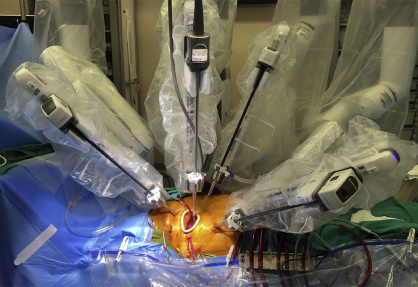
Robotic CABG in India costs between USD 7,000 and USD 9,500 for international patients, roughly 20 to 30 percent more than standard CABG given the specialised robotic system involved, and still a fraction of the USD 70,000 to USD 150,000 typical in the West. Using the da Vinci surgical system, the surgeon bypasses blocked coronary arteries through several small incisions rather than splitting the breastbone, generally used for single or double vessel disease rather than the most extensive multi-vessel cases. Published success rates run 95 to 98 percent, in line with or slightly ahead of open surgery.
About Robotic Coronary Artery Bypass Grafting (CABG)
Robotic coronary artery bypass grafting reroutes blood flow around blocked coronary arteries using a healthy blood vessel graft, most often from the chest wall, restoring blood supply to the heart muscle. Using the da Vinci surgical system, the surgeon works through several small incisions between the ribs rather than splitting the breastbone (sternotomy), which is the standard approach for traditional open CABG.
Procedures Available
Robotic totally endoscopic coronary artery bypass (TECAB) performs the entire procedure through small incisions, generally suited to single or double vessel disease. Robotic-assisted minimally invasive direct coronary artery bypass (MIDCAB) uses the robotic system to harvest the graft vessel with precision, combined with a small direct incision for the graft connection. Extensive multi-vessel disease, particularly triple or quadruple bypass, is often still better suited to traditional open CABG, since it gives the surgeon more direct access for the more complex grafting involved.
Cost
The estimate covers pre-operative cardiac evaluation, the robotic surgery, anaesthesia, and hospital stay through discharge. The robotic approach adds roughly 20 to 30 percent to the cost of standard CABG, reflecting the specialised equipment and surgical training involved.
How Long the Trip Takes
Most patients plan for 12 to 14 days in India, covering thorough pre-operative cardiac evaluation, 4 to 6 days in hospital after surgery, and a recovery period before flying home.
Choosing a Hospital
Ask directly whether robotic surgery is appropriate for your specific extent of coronary disease, since it is generally best suited to single or double vessel cases rather than the most extensive multi-vessel disease. Choose a cardiac surgical team with specific robotic CABG experience, since this is a more specialised skill than standard open bypass surgery.
Robotic Coronary Artery Bypass Grafting (CABG) cost
| Country | Indicative cost |
|---|---|
| India — with Nobel Medi Assistance | $7,000 – $9,000 |
Figures are indicative for international patients and depend on the hospital, the surgeon and your reports. Your exact cost is confirmed in writing after a specialist review — free, and with no obligation.
What the estimate covers
Included
- Pre-operative cardiac evaluation and angiography review
- Surgeon and anaesthesia fees
- Robotic surgical system usage
- Operation theatre charges
- ICU and standard ward recovery
- Follow-up consultation before discharge
Not included
- Flights and visa fees
- Accommodation outside the hospital
- Cardiac rehabilitation programme after discharge
- Conversion to open surgery fee, if required intraoperatively
- Treatment for additional vessels found to need bypass beyond the original plan
- Extended ICU or hospital stay if complications arise
Specialists who perform this

Dr Naresh Trehan
Cardiovascular & Cardiothoracic Surgeon 👑 45+ years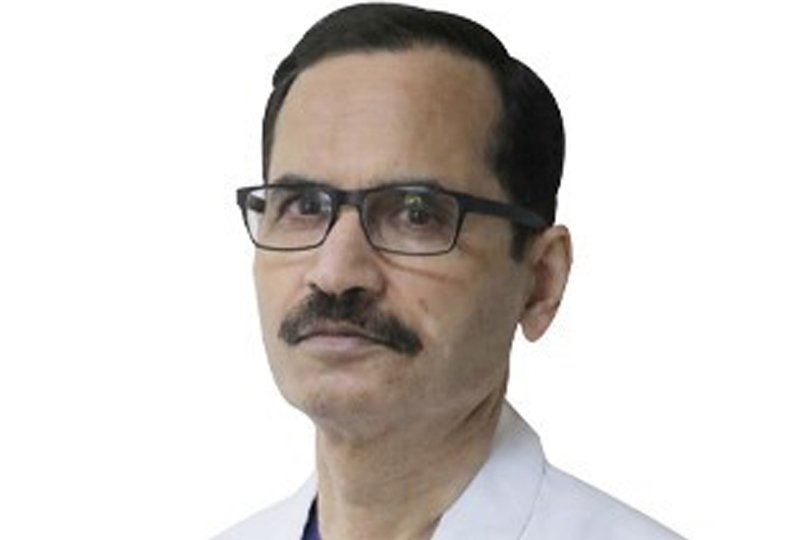
Dr. Z S Meharwal
Cardiac Surgery 👑 38+ years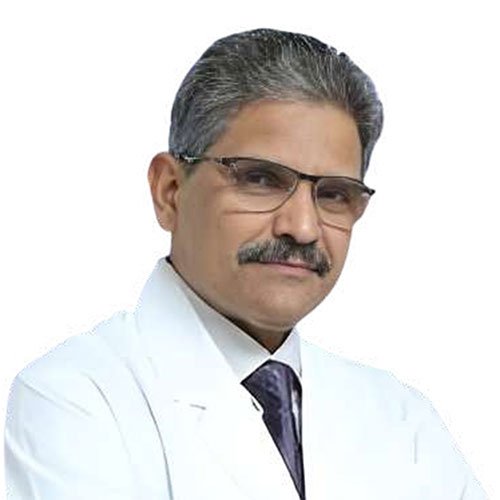
Dr. Yugal Kishore Mishra
Cardiac Surgery 👑 43+ years
Dr. Udgeath Dhir
Cardiac Surgery 👑 18+ years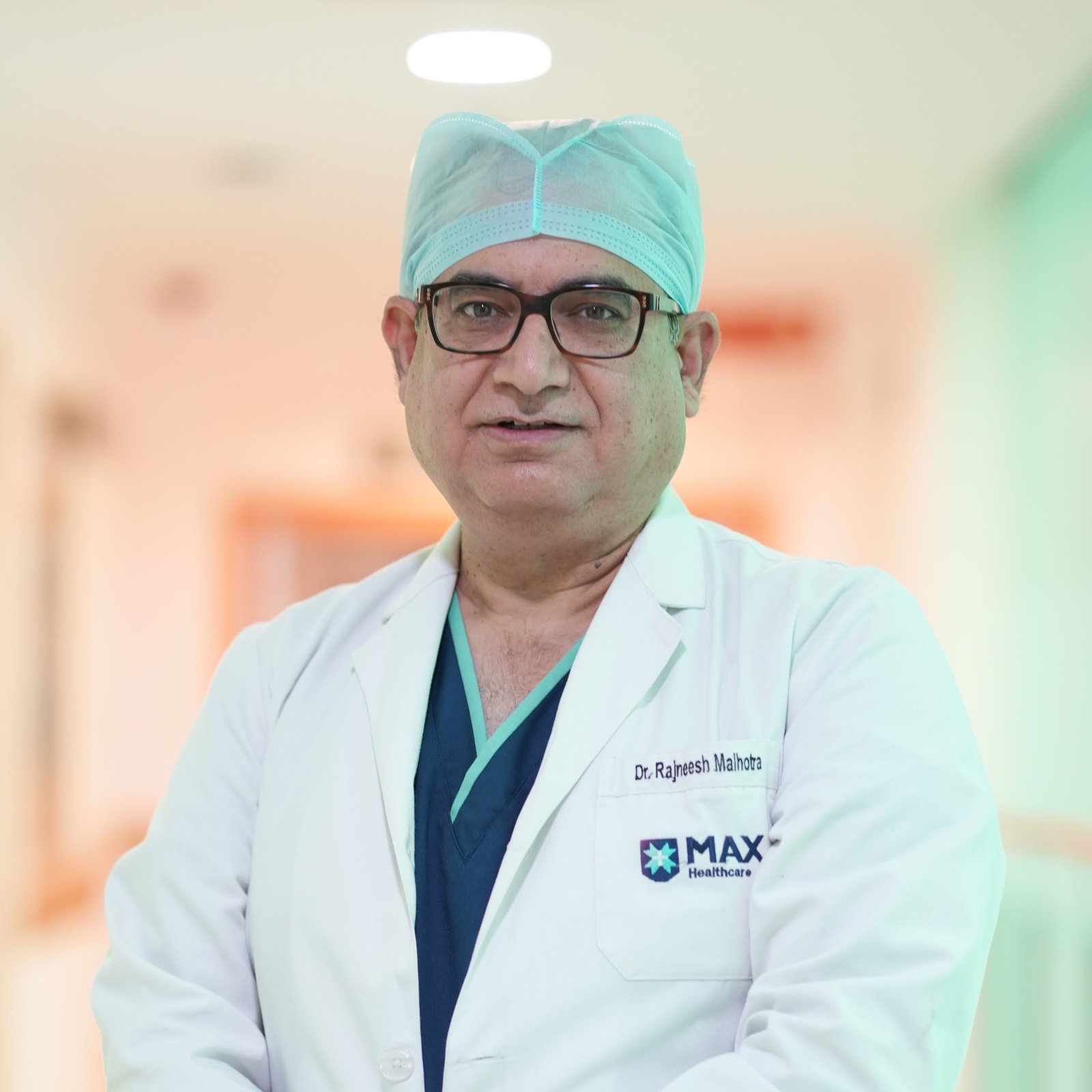
Dr. Rajneesh Malhotra
Cardiac Surgery 👑 34+ years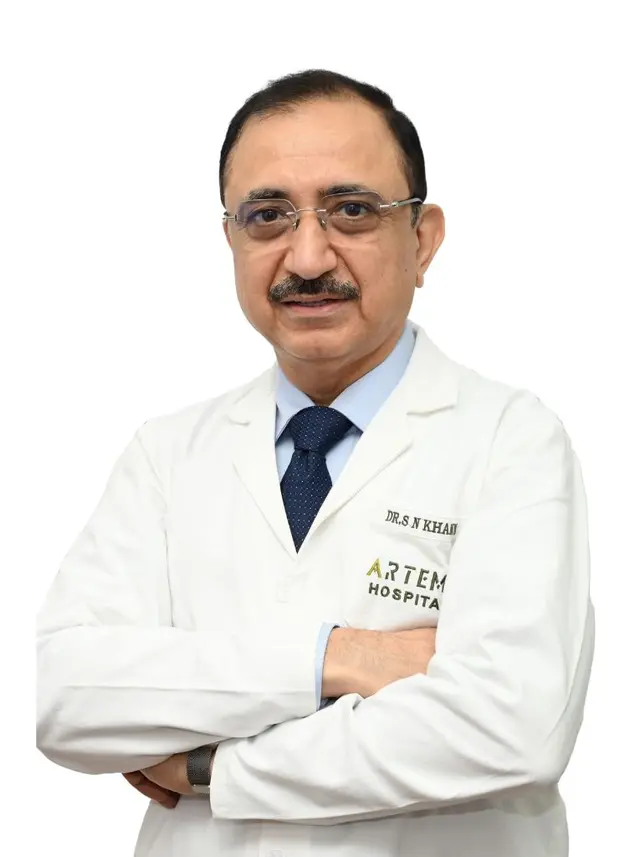
Dr. Surendra Nath Khanna
Cardiac Surgery 👑 34+ years
Dr Bhaba Nanda Das
Cardiac Surgery 👑 37+ yearsWhere it is done

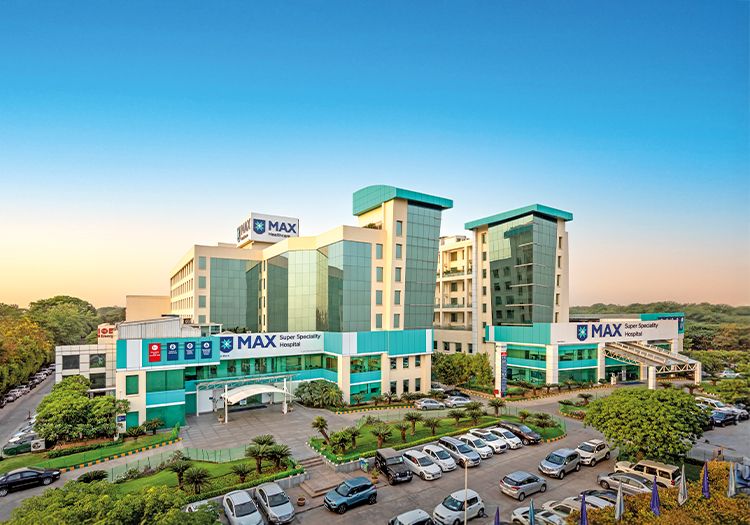
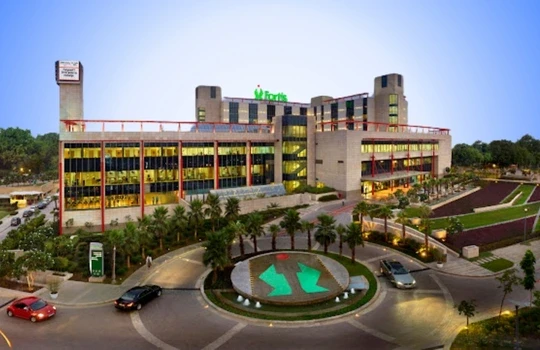
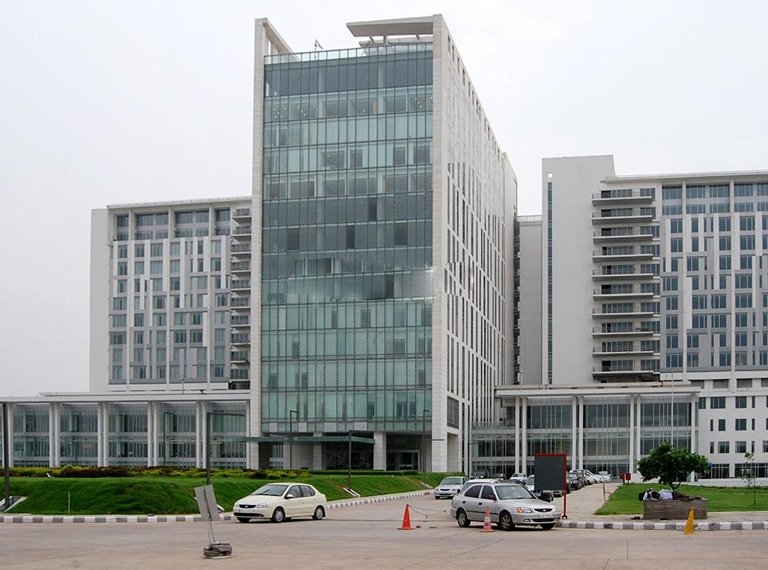
What would your Robotic Coronary Artery Bypass Grafting (CABG) cost?
Send your reports and a senior specialist sends back a written plan with costs within 24 hours. Free, with no obligation.