24/7 patient support Free consultation →

VP Shunt Surgery (Ventriculoperitoneal Shunt) in India

Also known as Ventriculoperitoneal shunt surgery, hydrocephalus shunt surgery, brain shunt surgery, CSF diversion surgery, programmable shunt surgery India
VP Shunt Surgery (Ventriculoperitoneal Shunt) in India
Cost from$3,500 – $6,500 In hospital3-5 days Stay in Indiaabout 2 weeks Success85-90% Procedure time45-90 minutes AnaesthesiaGeneral Opinion in24 hours

The short answer

VP shunt surgery in India costs between $3,500 and $6,500, against $20,000 or more in Western countries. The procedure treats hydrocephalus by implanting a thin tube, or shunt, that drains excess cerebrospinal fluid from the brain to the abdomen, relieving pressure and preventing further brain injury.

About VP Shunt Surgery (Ventriculoperitoneal Shunt)

Hydrocephalus is a build-up of cerebrospinal fluid (CSF), the fluid that normally cushions the brain and spinal cord, within the fluid-filled cavities (ventricles) of the brain. When this fluid isn't draining or absorbing normally, pressure builds up inside the skull, which can cause headaches, vomiting, vision problems, developmental delay in infants, or more serious neurological symptoms if untreated.

What the surgery does

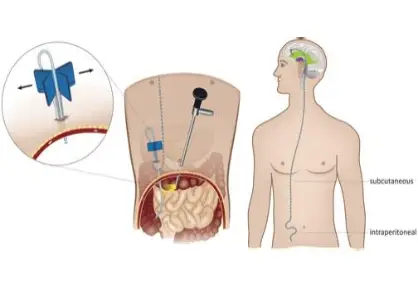
A ventriculoperitoneal (VP) shunt is a thin, flexible tube system that diverts excess CSF away from the brain's ventricles to the peritoneal cavity in the abdomen, where the fluid is safely reabsorbed by the body. The system includes a catheter placed into a brain ventricle, a valve that regulates the rate of drainage, and a second catheter tunnelled under the skin down to the abdomen. Some shunts are programmable, allowing the drainage rate to be adjusted non-invasively after surgery as the patient's needs change.

What to expect from the outcome

A well-functioning shunt relieves pressure and stabilises or improves symptoms for most patients. Shunts are mechanical devices, however, and can occasionally block, infect, or require revision over time, more commonly in infants and young children than in adults. Regular follow-up allows any shunt problems to be caught and addressed early.

Why patients choose India for this

Save 70-85% on essential neurosurgery

The same VP shunt technique and programmable valve technology used in Western neurosurgery centres is available in India at a fraction of the cost.

Experienced neurosurgical teams for all ages

Partner hospitals manage shunt surgery for infants, children and adults, with paediatric neurosurgery expertise where the patient is a young child.

Fast scheduling for a time-sensitive condition

Because rising pressure in the brain needs prompt treatment, our team prioritises rapid review and expedited hospital coordination.

Programmable shunt options available

Where clinically suitable, programmable valves are available, allowing drainage adjustments after surgery without a repeat operation.

VP Shunt Surgery (Ventriculoperitoneal Shunt) cost

CountryIndicative cost
India — with Nobel Medi Assistance $3,500 – $6,500
United States$20,000 - $40,000
United Kingdom$12,000 - $20,000
UAE / Middle East$8,000 - $14,000
Singapore$9,000 - $15,000

Figures are indicative for international patients and depend on the hospital, the surgeon and your reports. Your exact cost is confirmed in writing after a specialist review — free, and with no obligation.

What the estimate covers

Included

  • Neurosurgeon and surgical team fees
  • Operation theatre, anaesthesia and the shunt system (standard valve)
  • Hospital stay for the planned duration
  • Routine medicines during the hospital stay
  • Post-operative nursing and wound care
  • Pre-discharge imaging to confirm shunt placement and function

Not included

  • Diagnostic imaging (CT/MRI) done before arrival in India
  • Flights, visa and travel insurance for the patient and accompanying family
  • Accommodation once discharged from hospital
  • Programmable shunt valve, if chosen over a standard fixed valve
  • Shunt revision surgery, if needed later due to blockage or infection
  • Long-term follow-up visits and imaging after returning home

How VP Shunt Surgery (Ventriculoperitoneal Shunt) is done

  1. Diagnosis and planningA neurosurgeon reviews CT or MRI imaging to confirm hydrocephalus and plan the shunt placement.
  2. Pre-operative workupBlood tests, imaging and anaesthesia clearance are completed to confirm fitness for surgery.
  3. AnaesthesiaThe patient is placed under general anaesthesia for the procedure.
  4. Placing the ventricular catheterA small opening is made in the skull, and a thin catheter is inserted into the fluid-filled ventricle of the brain.
  5. Tunnelling the shuntThe tubing is carefully passed under the skin, from behind the ear down to the abdomen, with a valve fitted to regulate CSF flow.
  6. Placing the abdominal catheterThe far end of the tubing is placed into the peritoneal cavity in the abdomen, where the drained fluid is reabsorbed.
  7. Closure and imaging checkThe incisions are closed, and imaging confirms the shunt is correctly positioned and functioning.
  8. Discharge and follow-up planThe patient goes home with wound care instructions and a follow-up schedule to monitor shunt function.

Recovery and what to expect

  • First 24-48 hoursMonitored closely for neurological status, headache relief and wound healing.
  • Days 2-4Gradual mobilisation; imaging may be repeated to confirm shunt position and function.
  • 3-5 daysDischarged from hospital once stable and the surgical sites are healing well.
  • 1-2 weeksContinued recovery at accommodation in India, with a follow-up check before flying home.
  • OngoingLong-term shunt monitoring continues with the home care team, since shunt function needs periodic review over the years.

Specialists who perform this

Where it is done

Frequently asked questions

Is a VP shunt a permanent solution?
For most patients, yes, though shunts are mechanical devices and can occasionally need revision over time due to blockage, infection, or growth in children.
How urgent is this surgery?
Hydrocephalus with rising pressure needs prompt treatment. If your child or family member has been diagnosed, please contact us as soon as possible so we can expedite review.
What is a programmable shunt?
It's a shunt valve whose drainage setting can be adjusted non-invasively from outside the body after surgery, useful if fluid drainage needs change over time.
Will the shunt need to be replaced as my child grows?
Growing children may need shunt revision or tubing lengthening over the years; this is monitored through regular follow-up and is a separate procedure from the initial surgery.
What are the signs of a shunt problem?
Headache, vomiting, drowsiness, vision changes, or a return of pre-surgery symptoms can indicate a shunt issue and should be evaluated promptly by a neurosurgeon.
How long is the hospital stay?
Typically 3-5 days, depending on recovery and imaging confirmation of shunt function.
Can a family member stay with the patient during the hospital stay?
Yes, our partner hospitals accommodate an accompanying family member, and our team assists with visa arrangements for this.

What would your VP Shunt Surgery (Ventriculoperitoneal Shunt) cost?

Send your reports and a senior specialist sends back a written plan with costs within 24 hours. Free, with no obligation.