24/7 patient support Free consultation →

Craniotomy for Epilepsy / Temporal Lobectomy in India

Also known as Epilepsy surgery India, anterior temporal lobectomy (ATL), temporal lobe resection, seizure surgery cost India, craniotomy for drug-resistant epilepsy
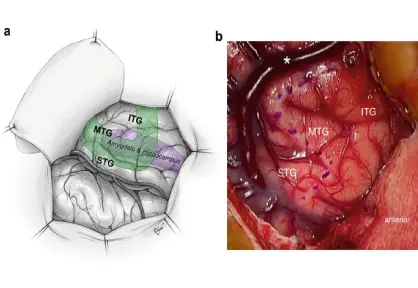
Craniotomy for Epilepsy / Temporal Lobectomy in India
Cost from$7,000 – $14,000 In hospital5-7 days Stay in Indiaabout 3-4 weeks Success70-80% Procedure time3-4 hours AnaesthesiaGeneral Opinion in24 hours

The short answer

Craniotomy for epilepsy, most commonly a temporal lobectomy, costs between $7,000 and $14,000 in India, against $50,000 to $100,000 in Western countries. The surgery removes the specific brain area causing seizures in patients whose epilepsy hasn't responded to medication, with more than 70% remaining seizure-free long term.

About Craniotomy for Epilepsy / Temporal Lobectomy

Epilepsy surgery is considered for patients whose seizures continue despite adequate trials of anti-seizure medication, known as drug-resistant or refractory epilepsy. When tests show the seizures consistently originate from a specific, identifiable area of the brain, that area can potentially be removed surgically to stop or significantly reduce seizures. Temporal lobectomy, removal of a portion of the temporal lobe, is the most common and most successful form of epilepsy surgery, used when the seizure focus is located there.

How the seizure focus is found

Before surgery is recommended, a thorough pre-surgical evaluation confirms exactly where seizures start and rules out risk to important brain functions. This typically includes scalp EEG monitoring, detailed MRI imaging, and video-EEG recording to capture seizures directly. In some cases, more specialised functional imaging is used. This evaluation is essential, since the surgery's success depends on accurately localising the seizure focus and confirming it can be safely removed.

What surgery can and cannot do

During a craniotomy, part of the skull is temporarily opened to give the surgeon access, and the affected portion of brain tissue is carefully removed. Surgeons use imaging and, where needed, brain mapping techniques to protect areas controlling memory, language, and other critical functions while operating. Temporal lobectomy has the best outcomes of all epilepsy surgeries: more than 70% of patients remain seizure-free long-term, and most of the remainder see a significant reduction in seizure frequency. As with any brain surgery, there are risks, including possible effects on memory or mood, which are discussed individually before surgery.

Why patients choose India for this

Save 80-90% on epilepsy surgery

The same pre-surgical evaluation and temporal lobectomy technique used in leading Western epilepsy centres is available in India at a fraction of the cost.

Comprehensive epilepsy centres

Partner hospitals run structured epilepsy programs combining video-EEG monitoring, imaging, and neurosurgery, rather than treating this as an occasional case.

Careful, function-preserving surgical approach

Surgeons use imaging and mapping techniques to protect memory, language, and other critical functions while removing the seizure focus.

Established long-term outcomes track record

India has a well-documented history of temporal lobectomy for refractory epilepsy, with published outcomes comparable to international standards.

Craniotomy for Epilepsy / Temporal Lobectomy cost

CountryIndicative cost
India — with Nobel Medi Assistance $7,000 – $14,000
United States$50,000 - $100,000
United Kingdom$30,000 - $55,000
UAE / Middle East$18,000 - $30,000
Singapore$20,000 - $35,000

Figures are indicative for international patients and depend on the hospital, the surgeon and your reports. Your exact cost is confirmed in writing after a specialist review — free, and with no obligation.

What the estimate covers

Included

  • Pre-surgical evaluation: neurologist consultation, EEG/video-EEG monitoring, and MRI review
  • Neurosurgeon and surgical team fees
  • Operation theatre, anaesthesia, and intraoperative monitoring/mapping if used
  • Hospital stay for the planned duration
  • Routine medicines during the hospital stay
  • Post-operative nursing and wound care

Not included

  • Extended or repeat diagnostic testing done before arrival in India
  • Flights, visa and travel insurance for the patient and accompanying family
  • Accommodation once discharged from hospital
  • Neuropsychological testing, if recommended as part of the workup
  • Long-term anti-seizure medication and follow-up care after returning home
  • Follow-up EEG or imaging after returning home

How Craniotomy for Epilepsy / Temporal Lobectomy is done

  1. Pre-surgical evaluationA neurologist confirms drug-resistant epilepsy and localises the seizure focus using EEG, video-EEG monitoring, and detailed MRI imaging.
  2. Surgical planningThe neurosurgical team reviews the evaluation results to confirm the seizure focus can be safely removed without affecting critical brain functions.
  3. AnaesthesiaThe patient is placed under general anaesthesia for the procedure.
  4. CraniotomyA section of the skull is temporarily removed to give the surgeon access to the affected area of the brain.
  5. Removing the seizure focusThe surgeon carefully removes the identified portion of brain tissue, most often part of the temporal lobe, using imaging and mapping to protect nearby function.
  6. ClosureThe bone flap is replaced and secured, and the scalp incision is closed.
  7. ICU/ward recoveryThe patient is monitored closely for neurological status and early recovery signs.
  8. Discharge and follow-up planThe patient goes home with a follow-up schedule, including continued anti-seizure medication in the initial period as advised by the neurologist.

Recovery and what to expect

  • First 24-48 hoursClosely monitored in the ICU or high-dependency ward for neurological status and pain control.
  • Days 3-6Gradual mobilisation with physiotherapy support as needed; wound healing is monitored.
  • 5-7 daysDischarged from hospital once neurologically stable and the surgical site is healing well.
  • 2-3 weeksContinued recovery at accommodation in India, with a follow-up visit before flying home.
  • Weeks to monthsGradual return to normal activity; anti-seizure medication is typically continued for a period after surgery before your neurologist reassesses tapering it.

Specialists who perform this

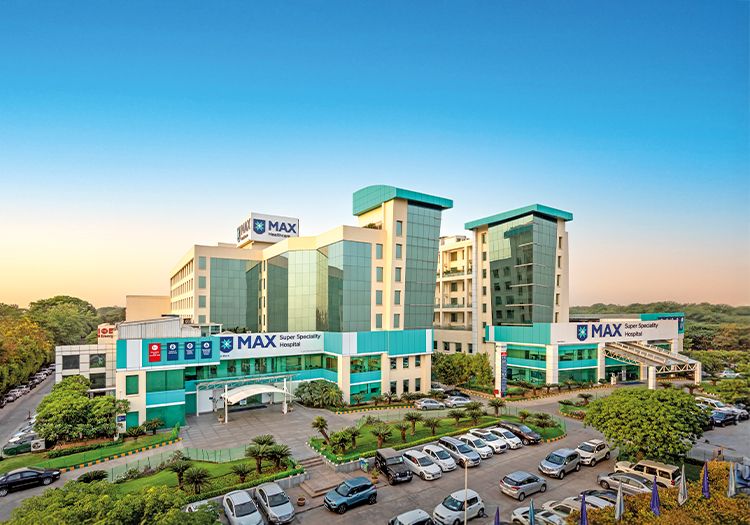
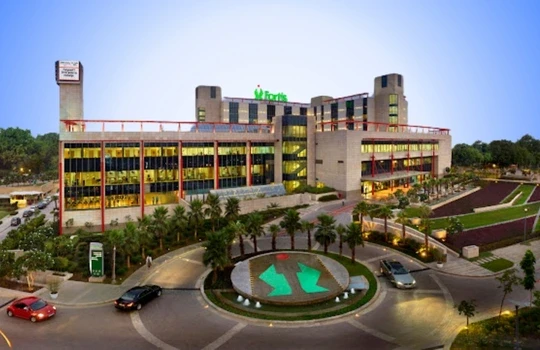
Where it is done
Frequently asked questions

Am I a candidate for this surgery?
Candidacy depends on whether your seizures continue despite adequate medication trials, and whether pre-surgical testing shows they consistently originate from a specific, safely removable area of the brain. This is confirmed through a thorough evaluation before surgery is recommended.
Will I be completely seizure-free after surgery?
For temporal lobectomy, more than 70% of patients remain seizure-free long-term, and most of the remainder see a significant reduction in seizure frequency. Individual outcomes depend on your specific case.
Will I still need medication after surgery?
Most patients continue anti-seizure medication for a period after surgery. Your neurologist will reassess and guide any tapering based on your recovery and seizure control.
What are the risks to memory or other brain functions?
There is some risk, particularly to memory, depending on which part of the brain is involved. Surgeons use imaging and mapping techniques to minimise this, and your specific risk is discussed individually before surgery.
How long does the pre-surgical evaluation take?
This varies by case, but generally takes one to two weeks and includes EEG monitoring, video-EEG, and detailed imaging to confirm the seizure focus.
How long is the hospital stay?
Typically 5-7 days, depending on recovery.
Can a family member stay with me during treatment?
Yes, our partner hospitals accommodate an accompanying family member, and our team assists with visa arrangements for this.

What would your Craniotomy for Epilepsy / Temporal Lobectomy cost?

Send your reports and a senior specialist sends back a written plan with costs within 24 hours. Free, with no obligation.