
ASD/VSD Closure in India
Also known as Atrial septal defect closure, ventricular septal defect closure, ASD device closure, VSD device closure, hole in the heart surgery, congenital heart defect closure

The short answer
ASD/VSD closure in India costs between $3,500 and $8,000, device closure at the lower end and open-heart surgical repair at the higher end, against $30,000 to $60,000 in the US. The procedure closes a hole between the heart's chambers using either a catheter-delivered device or a surgical patch, depending on the size and location of the defect.
About ASD/VSD Closure
Atrial septal defect (ASD) and ventricular septal defect (VSD) are holes in the wall, or septum, that separates the chambers of the heart. ASD affects the upper chambers and VSD the lower chambers. Both are among the most common congenital heart conditions, present from birth, and are sometimes only picked up in adulthood when a routine scan shows a heart murmur or an enlarged heart chamber. Left untreated, larger defects can strain the heart and lungs over time and lead to complications such as pulmonary hypertension or heart failure.
Device closure vs surgical closure
Whether a defect can be closed with a device or needs open-heart surgery depends on its size, location and the condition of the surrounding tissue. In device closure, a folding umbrella-shaped device is guided through a catheter from a vein in the groin and positioned across the defect, closing it without opening the chest. When the defect is too large, poorly positioned, or has insufficient surrounding tissue to anchor a device, surgical closure is done instead, where the defect is patched directly during open-heart surgery. Device closure, when suitable, means a shorter hospital stay and faster recovery.
Children and adults
ASD and VSD closures are performed on both children and adults. In children, timely closure prevents long-term strain on the heart and allows normal growth and activity. In adults, closure is usually recommended once the defect is confirmed to be significant enough to affect heart function, even if it has gone unnoticed for years. Age itself is not a barrier to treatment; the defect's anatomy is what decides the approach.
What decides the final cost
Device closure is generally the lower-cost option because it avoids open-heart surgery and a heart-lung bypass machine. The size and type of closure device, whether the defect is single or multiple, and whether it is a straightforward device closure or a more complex surgical repair all move the price within the quoted range. Your cardiologist confirms the approach and a firm estimate after reviewing your echocardiogram.
ASD/VSD Closure cost
| Country | Indicative cost |
|---|---|
| India — with Nobel Medi Assistance | $5,500 – $7,500 |
Figures are indicative for international patients and depend on the hospital, the surgeon and your reports. Your exact cost is confirmed in writing after a specialist review — free, and with no obligation.
What the estimate covers
Included
- Cardiologist or cardiac surgeon fees
- Cath lab charges (device closure) or operation theatre and bypass machine charges (surgical closure)
- Closure device or surgical patch as per treatment plan
- Hospital stay in ICU/ward for the planned duration
- Routine medicines during hospital admission
- Nursing care during the stay
- Pre-discharge echocardiogram to confirm closure
Not included
- Diagnostic tests and cardiac workup done before arrival in India
- Flights, visa and travel insurance
- Accommodation once discharged from hospital
- A change from device closure to surgical closure decided during the procedure, if anatomy requires it
- Treatment for complications unrelated to the closure procedure
- Follow-up visits after returning home
Specialists who perform this

Dr Naresh Trehan
Cardiovascular & Cardiothoracic Surgeon 👑 45+ years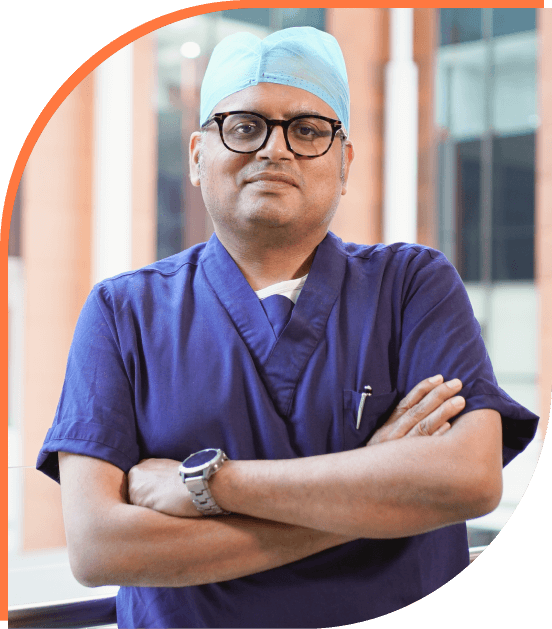
Dr. Udgeath Dhir
Cardiac Surgery 👑 18+ years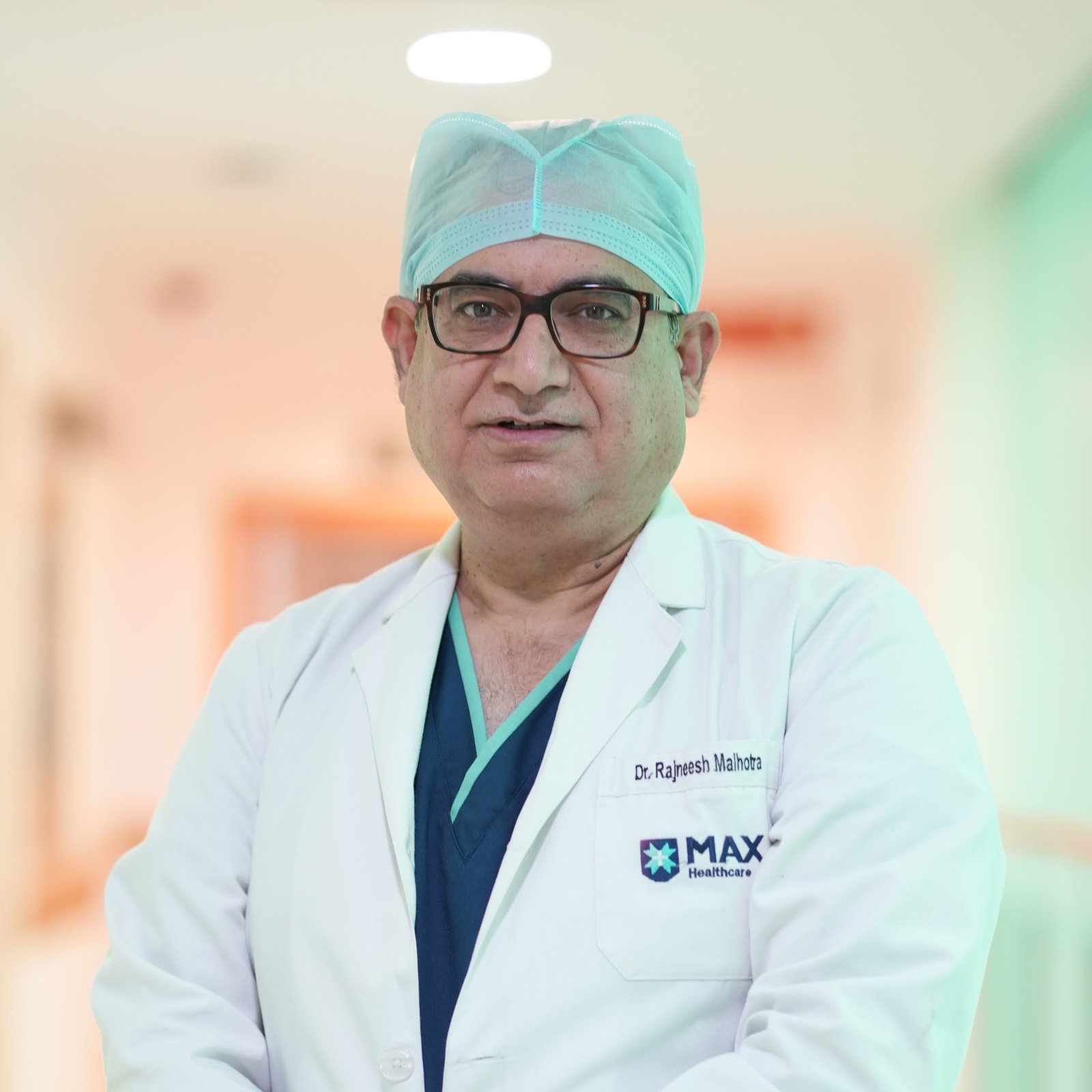
Dr. Rajneesh Malhotra
Cardiac Surgery 👑 34+ years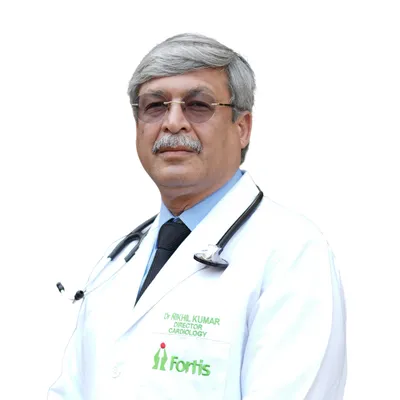
Dr. Nikhil Kumar
Cardiology 👑 39+ years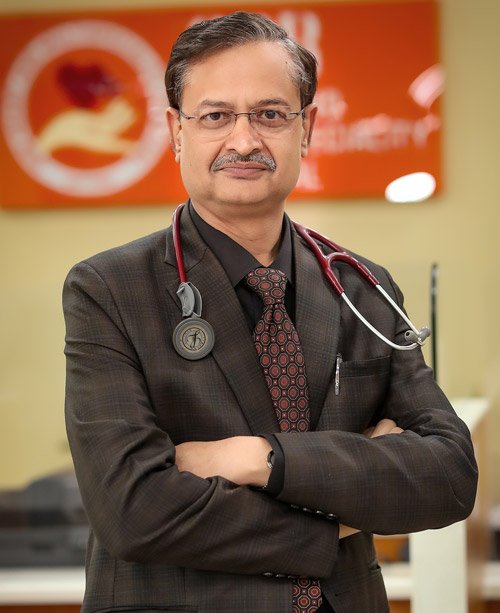
Dr. S. S. Bansal
Cardiology 👑 30+ years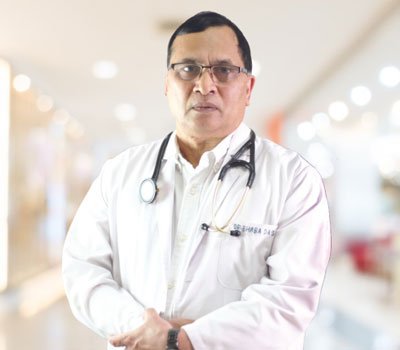
Dr Bhaba Nanda Das
Cardiac Surgery 👑 37+ years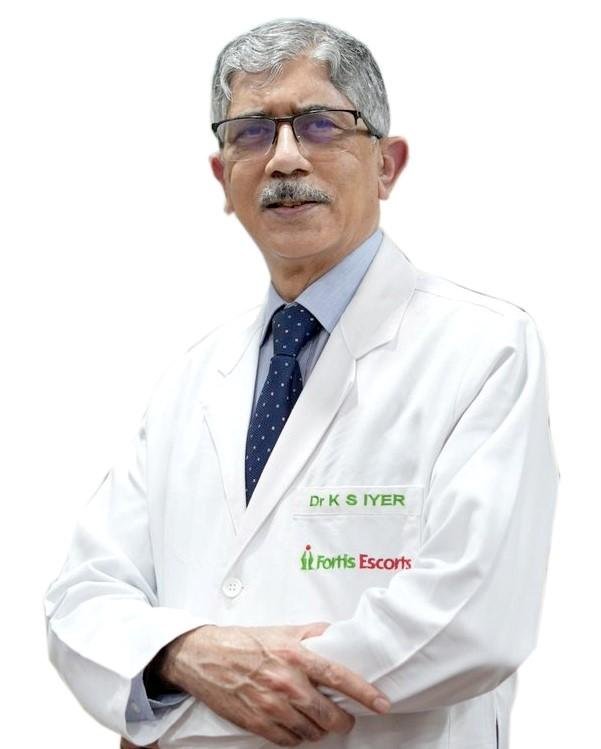
Dr. Krishna Subramony Iyer
Paediatric Cardiac Sciences 👑 40+ years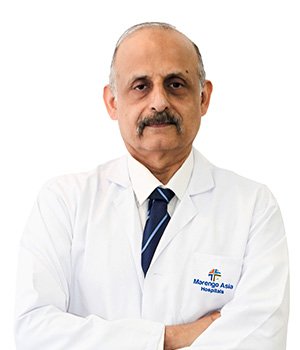
Dr Rajesh Sharma
Paediatric Cardiac Surgery 👑 30+ years
Dr. Kulbhushan Singh Dagar
Paediatric Cardiac Surgery 👑 32+ years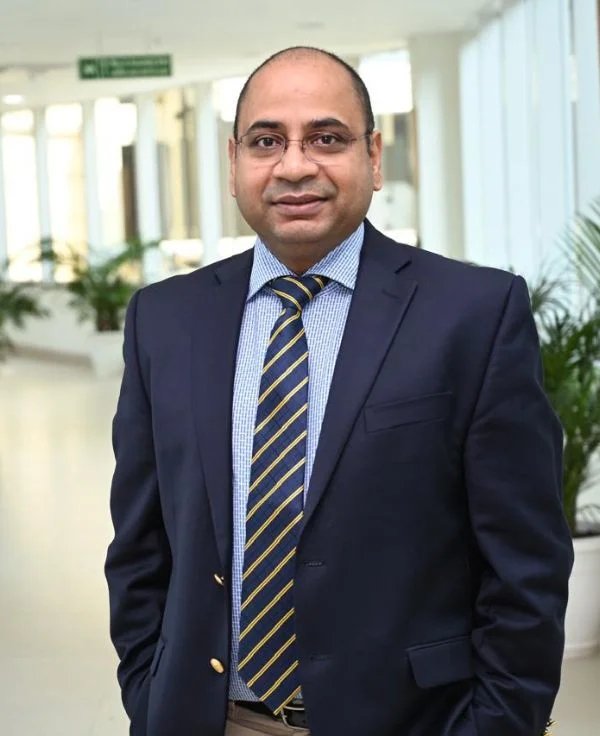
Dr. Aseem R. Srivastava
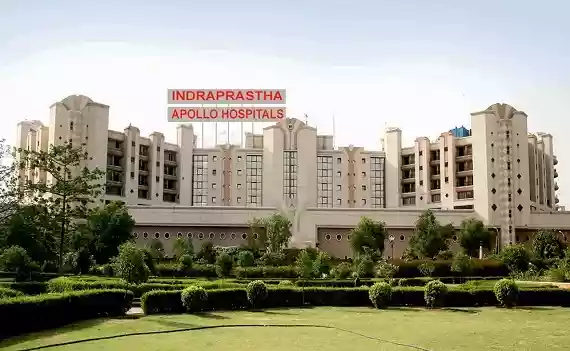
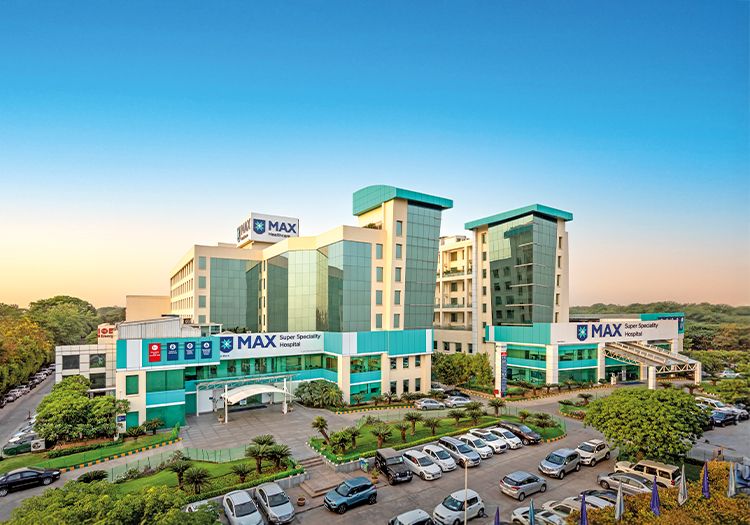
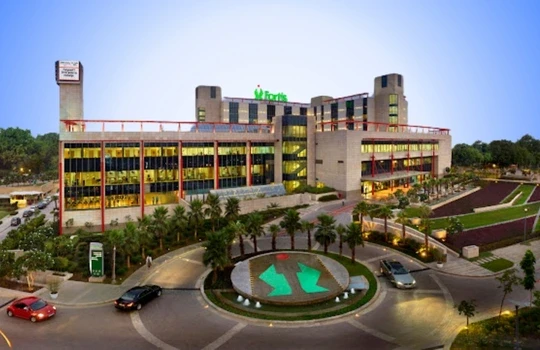
Paediatric Cardiac SurgeryWhere it is done
What would your ASD/VSD Closure cost?
Send your reports and a senior specialist sends back a written plan with costs within 24 hours. Free, with no obligation.