24/7 patient support Free consultation →

Heart Valve Replacement (Single/Double) in India

Also known as Heart valve surgery, mitral valve replacement, aortic valve replacement, mechanical valve surgery, bioprosthetic valve replacement, double valve replacement, DVR
Heart Valve Replacement (Single/Double) in India
Cost from$5,000 – $15,000 In hospital7-10 days Stay in Indiaabout 3-4 weeks Success95-98% Procedure time3-5 hours (longer for double valve replacement) AnaesthesiaGeneral Opinion in24 hours

The short answer

Heart valve replacement in India costs between $5,000 and $15,000, single valve at the lower end and double valve at the higher end, against $100,000 to $200,000 in the US. Surgeons replace a damaged aortic, mitral or tricuspid valve with a mechanical or tissue valve, and the surgery generally takes 3 to 5 hours with a 7 to 10 day hospital stay.

About Heart Valve Replacement (Single/Double)

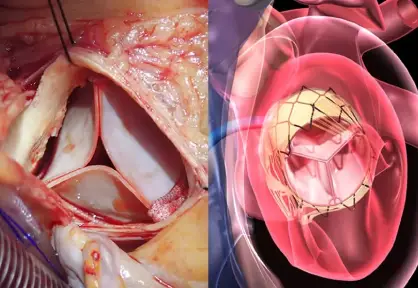
Heart valve replacement surgery is performed when a valve, most often the mitral or aortic valve, is too damaged or diseased to repair. The surgeon removes the faulty valve and sews a new mechanical or tissue valve in its place, restoring normal one-way blood flow through the heart. It is usually recommended for valve stenosis (narrowing) or regurgitation (leaking) severe enough to cause breathlessness, fatigue or heart failure symptoms.

Single valve vs double valve replacement

Single valve replacement treats one damaged valve, most commonly the aortic or mitral valve, and is the more common of the two procedures. Double valve replacement treats two valves, usually the mitral and aortic together, in the same operation when both are significantly diseased. Double valve surgery takes longer on the table and involves a longer bypass time, which is reflected in the higher end of the price range.

Mechanical vs tissue (bioprosthetic) valves

Mechanical valves are made of durable materials such as carbon and last a lifetime, but require lifelong blood-thinning medication to prevent clots from forming on the valve. Tissue valves, made from treated animal or human tissue, do not need lifelong anticoagulation but typically last 10 to 20 years before they may need replacement. Your cardiac surgeon will recommend a valve type based on your age, lifestyle and overall health, and will explain the trade-offs clearly before surgery.

Open-heart vs minimally invasive approach

Most valve replacements in India are still done as open-heart surgery through a midline chest incision, using a heart-lung bypass machine to take over circulation during the operation. Select cases, particularly single valve replacement in suitable patients, may be done through smaller incisions using minimally invasive techniques, which can shorten recovery time. Whether this option applies to you depends on your specific valve condition and anatomy.

Why patients choose India for this

Save 80-90% on the same surgery

The same mechanical and tissue valve brands used in US and European hospitals are implanted in India at a fraction of the price, without a difference in the valve itself or how it is fitted.

Cardiac surgeons who operate at volume

India's leading cardiac centres perform thousands of open-heart valve procedures a year, giving surgical teams deep experience with both single and complex double valve cases.

Full cardiac surgery infrastructure

Partner hospitals run dedicated cardiac ICUs, on-site heart-lung bypass teams and 24/7 cardiac anaesthesia cover, the same standard of critical care infrastructure expected for open-heart surgery anywhere in the world.

Coordinated care for a longer recovery

Valve surgery needs a longer in-country stay than most procedures; our team arranges accommodation, follow-up echocardiograms and travel timing so recovery is properly monitored before you fly home.

Heart Valve Replacement (Single/Double) cost

CountryIndicative cost
India — with Nobel Medi Assistance $5,000 – $15,000
United States$100,000 - $200,000
United Kingdom$38,000 - $57,000
UAE / Middle East$30,000 - $60,000
Singapore$40,000 - $70,000

Figures are indicative for international patients and depend on the hospital, the surgeon and your reports. Your exact cost is confirmed in writing after a specialist review — free, and with no obligation.

What the estimate covers

Included

  • Cardiac surgeon and surgical team fees
  • Operation theatre and heart-lung bypass machine charges
  • Valve(s) as agreed in the treatment plan (mechanical or tissue)
  • ICU and ward stay for the planned duration
  • Routine medicines during hospital admission
  • Nursing and physiotherapy during the stay
  • Pre-discharge echocardiogram to confirm valve function

Not included

  • Diagnostic tests and cardiac workup done before arrival in India
  • Flights, visa and travel insurance
  • Accommodation for the recovery period after discharge
  • Lifelong anticoagulation medication after returning home
  • Treatment for complications unrelated to the valve surgery
  • Extended ICU stay beyond the standard estimate, if medically required

How Heart Valve Replacement (Single/Double) is done

  1. Consultation and reviewA cardiac surgeon reviews your echocardiogram and medical history remotely to confirm valve replacement is needed and which valve type may suit you, and gives an initial estimate.
  2. Pre-operative workupOn arrival, blood tests, ECG, chest X-ray, coronary angiogram and a detailed echocardiogram are done to finalise the surgical plan.
  3. Anaesthesia and preparationYou are given general anaesthesia and connected to a heart-lung bypass machine, which takes over circulation and oxygenation during surgery.
  4. Valve removal and replacementThe surgeon opens the chest, removes the damaged valve or valves, and stitches the new mechanical or tissue valve into place.
  5. Weaning off bypassOnce the new valve is functioning correctly, the heart is restarted and you are gradually taken off the bypass machine.
  6. ICU recoveryYou are moved to the cardiac ICU for close monitoring for 24-48 hours before shifting to a regular ward.
  7. Discharge and follow-up planYou go home with medication instructions, wound care guidance, an activity plan, and a schedule for follow-up echocardiograms and, if needed, anticoagulation monitoring.

Recovery and what to expect

  • First 48 hoursMonitored closely in the cardiac ICU on a ventilator initially, then breathing independently; chest drains and lines are removed as you stabilise.
  • Days 3-7Moved to a regular ward; short supervised walks begin, and the surgical wound is checked daily.
  • 7-10 daysDischarged from hospital if recovery is on track, with a follow-up echocardiogram done just before discharge.
  • 2-3 weeksContinued recovery at your accommodation in India with a final check-up and clearance before flying home; strenuous activity and driving remain restricted.
  • 6-12 weeksFull recovery for most patients, with gradual return to normal activity; those on mechanical valves settle into a lifelong routine of anticoagulation monitoring.

Specialists who perform this

Where it is done

Frequently asked questions

How do I know if I need a single or double valve replacement?
Your echocardiogram and angiogram, reviewed by the cardiac surgeon, show exactly which valves are diseased. This is confirmed before surgery, not decided during the operation.
Should I choose a mechanical or tissue valve?
It depends mainly on your age and whether you can commit to lifelong blood-thinning medication. Mechanical valves last a lifetime but need ongoing anticoagulation; tissue valves avoid that but may need replacement after 10-20 years. Your surgeon will walk you through the decision.
Is this open-heart surgery?
Most valve replacements are done as open-heart surgery using a heart-lung bypass machine. A minimally invasive approach may be possible for some single valve cases, which your surgeon will assess.
How long do I need to stay in India after surgery?
Around 3-4 weeks in total, including the surgery and hospital stay, so your recovery and valve function can be properly checked before you travel home.
Is heart valve surgery safe at my age?
Age alone rarely rules out valve surgery. Overall heart function, other health conditions and how the valve disease is affecting you matter more, and these are assessed during your pre-operative workup.
Will I need medication for the rest of my life?
If you receive a mechanical valve, yes, you will need lifelong blood thinners. With a tissue valve, most patients only need short-term medication after surgery.
Why is valve replacement so much cheaper in India?
Lower hospital overheads, surgeon fees and cost of living bring the price down, not the valve brand or surgical technique, which match international standards.

What would your Heart Valve Replacement (Single/Double) cost?

Send your reports and a senior specialist sends back a written plan with costs within 24 hours. Free, with no obligation.