
Cochlear Implant Surgery in India
Also known as Cochlear implantation, unilateral cochlear implant, bilateral cochlear implant, cochlear implant for children, cochlear implant for hearing loss
The short answer
Cochlear implant surgery in India costs between $12,000 and $22,000 for one ear, against $50,000 to $80,000 in the US, with bilateral (both ears) typically running higher. A small electronic device is surgically placed to directly stimulate the hearing nerve, restoring access to sound for children and adults with severe to profound hearing loss who don't benefit enough from hearing aids.
About Cochlear Implant Surgery
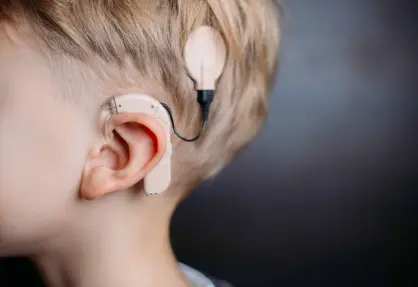
A cochlear implant is a small electronic device, part surgically implanted and part worn externally, that bypasses damaged parts of the inner ear to directly stimulate the hearing nerve. Unlike a hearing aid, which amplifies sound, a cochlear implant converts sound into electrical signals the brain can interpret, making it an option for people with severe to profound hearing loss who get limited benefit from hearing aids.
Who is a candidate
Cochlear implants are used for both children and adults. In children, especially those born with severe to profound hearing loss, early implantation, often before age 2-3, is strongly associated with better speech and language development, since this is a critical window for language acquisition. In adults, candidacy depends on the degree of hearing loss and how much benefit hearing aids currently provide, and outcomes are generally better for those who developed hearing loss after already acquiring spoken language (post-lingual) compared to those who were born deaf or lost hearing very early (pre-lingual), particularly if implanted later in life.
Unilateral vs bilateral implantation
A unilateral implant treats one ear, and is the traditional standard. Bilateral implantation, treating both ears either in the same surgery (simultaneous) or as two separate surgeries (sequential), is increasingly recommended, particularly for children, since hearing with both ears meaningfully improves sound localisation and understanding speech in noisy environments compared to hearing with just one implanted ear.
Surgery and activation
During surgery, the internal component of the implant is placed under the skin behind the ear, with a thin electrode array inserted into the cochlea (the inner ear). The device is not switched on immediately; activation and initial "mapping," programming the external sound processor to your specific hearing needs, typically happens 2-4 weeks after surgery, once the surgical site has healed. This activation timing is an important part of planning your trip, since it isn't simply a same-day outcome.
Why rehabilitation is not optional
A cochlear implant gives access to sound, but learning to interpret and use that sound for understanding speech takes time and structured auditory-verbal therapy, particularly for children learning language for the first time. This rehabilitation typically continues for a year or more after activation and is considered an essential part of the treatment, not an optional add-on, since the surgery alone does not produce fluent hearing and speech understanding on its own.
Why patients choose India for this
Partner hospitals use the same internationally certified cochlear implant brands (Cochlear, MED-EL, Advanced Bionics) used in Western hospitals, at a fraction of the surgical cost.
India's leading ENT and neurotology centres have run cochlear implant programs since the early 2000s, with dedicated audiology and speech therapy teams built specifically around this procedure.
For children, early implantation and structured rehabilitation are critical to outcomes; partner hospitals run paediatric audiology programs designed around exactly this need.
Some public health systems abroad have waiting times of a year or more for cochlear implants; partner hospitals in India can typically schedule surgery promptly once your candidacy evaluation is complete.
Cochlear Implant Surgery cost
| Country | Indicative cost |
|---|---|
| India — with Nobel Medi Assistance | $12,000 – $22,000 |
| United States | $50,000 - $80,000 |
| United Kingdom | $45,000 - $65,000 |
| UAE / Middle East | $30,000 - $50,000 |
| Singapore | $35,000 - $55,000 |
Figures are indicative for international patients and depend on the hospital, the surgeon and your reports. Your exact cost is confirmed in writing after a specialist review — free, and with no obligation.
What the estimate covers
Included
- ENT/neurotology surgeon and audiology team fees
- Operation theatre and anaesthesia charges
- Cochlear implant device (as agreed in the treatment plan)
- Hospital stay for the planned duration
- Routine medicines during the hospital stay
- Initial device activation and mapping session
- First-year audiology follow-up mapping sessions
Not included
- Diagnostic workup, hearing tests and imaging done before arrival in India
- Flights, visa and travel insurance
- Accommodation for the extended stay, including the activation period
- The second ear, if bilateral implantation is done as staged (sequential) surgeries
- Ongoing auditory-verbal or speech therapy beyond the initial included sessions (often needed for a year or more)
- Replacement external sound processors or accessories after returning home
How Cochlear Implant Surgery is done
- Consultation and reviewAn ENT/neurotology surgeon and audiologist review your hearing tests and imaging remotely to confirm candidacy and whether unilateral or bilateral implantation fits your case.
- Pre-operative workupOn arrival, detailed hearing assessments and CT/MRI imaging of the inner ear confirm suitability and finalise the surgical plan.
- Anaesthesia and accessUnder general anaesthesia, the surgeon makes an incision behind the ear to access the mastoid bone and inner ear.
- Placing the implantThe internal receiver is positioned under the skin, and a thin electrode array is carefully inserted into the cochlea.
- Confirming device functionTesting during surgery confirms the internal device is functioning correctly before closing the incision.
- Healing periodYou recover for 2-4 weeks while the surgical site heals, before the device is ready to be activated.
- Activation and initial mappingThe external sound processor is fitted and programmed (mapped) to your hearing needs, and initial auditory training begins.
Recovery and what to expect
- First 24-48 hoursMild discomfort, swelling or dizziness near the surgical site is common and generally settles quickly; most patients go home the next day.
- 1-2 weeksThe incision continues healing; normal daily activities resume, though swimming and heavy activity are usually restricted for a few weeks.
- 2-4 weeksThe device is activated and initially mapped, the first time you hear sound through the implant, which often sounds unfamiliar or mechanical at first.
- 1-3 monthsFollow-up mapping sessions fine-tune the device settings as your brain adjusts to interpreting the new signal.
- 6-12 months and beyondContinued auditory-verbal therapy and mapping sessions support ongoing improvement in understanding speech and sound, particularly important for children learning language.
Specialists who perform this



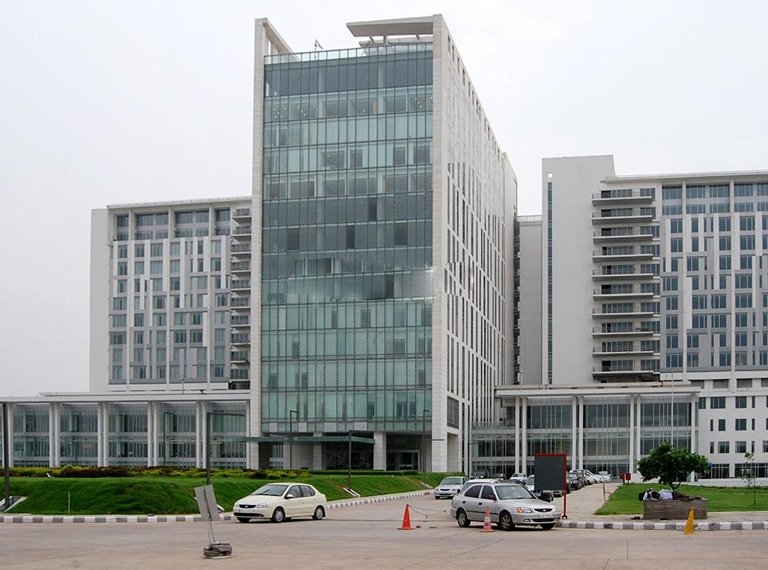
Where it is done


Frequently asked questions
At what age can a child get a cochlear implant?
Will my hearing be normal immediately after surgery?
Should I get one implant or two?
How long do I need to stay in India?
Is rehabilitation really necessary after surgery?
Does age or how long someone has been deaf affect the outcome?
Why is cochlear implant surgery so much cheaper in India than in my home country?
What would your Cochlear Implant Surgery cost?
Send your reports and a senior specialist sends back a written plan with costs within 24 hours. Free, with no obligation.