
Thyroidectomy (Total/Partial) in India
Also known as Thyroid surgery, total thyroidectomy, partial thyroidectomy, hemithyroidectomy, thyroid lobectomy, thyroid isthmusectomy
The short answer
Thyroidectomy in India costs between $2,500 and $6,000, against $10,000 to $25,000 in the US and UK. All or part of the thyroid gland is surgically removed to treat thyroid cancer, large goitres, hyperthyroidism unresponsive to medication, or suspicious thyroid nodules, using open or minimally invasive technique depending on the case.
About Thyroidectomy (Total/Partial)
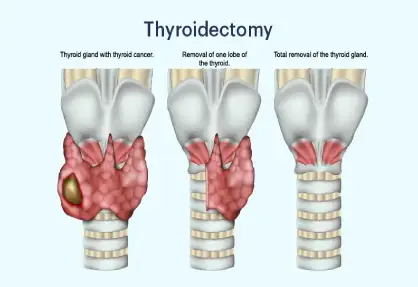
The thyroid is a butterfly-shaped gland at the base of the neck that produces hormones regulating metabolism. Thyroidectomy, the surgical removal of all or part of the gland, is performed for several reasons: thyroid cancer, a large goitre (enlarged thyroid) causing breathing, swallowing or cosmetic concerns, hyperthyroidism that hasn't responded to medication or radioactive iodine, or thyroid nodules where biopsy results are inconclusive or suspicious for cancer.
How much of the gland is removed
The extent of surgery depends on the underlying condition. Total thyroidectomy removes the entire gland and is generally required for thyroid cancer or significant hyperthyroidism. Hemithyroidectomy (lobectomy) removes just one lobe and is used for a single suspicious or symptomatic nodule confined to one side, preserving thyroid function from the remaining lobe in many patients. Isthmusectomy, removing only the narrow connecting piece between the two lobes, is used in a smaller subset of cases. Your surgeon confirms the right extent based on your diagnosis and imaging.
Open vs minimally invasive and robotic approaches
Thyroidectomy is traditionally performed through a small incision at the base of the neck. Minimally invasive and, at select centres, robotic-assisted techniques are also available, which can reduce visible scarring, though they aren't suitable for every case, particularly larger goitres or more extensive cancers. Your surgeon will discuss which approach fits your specific anatomy and condition.
What to expect afterward
If the entire thyroid is removed, you will need lifelong daily thyroid hormone replacement medication (levothyroxine), since the body can no longer produce this hormone itself; this is a well-established, manageable, once-daily medication, not an ongoing treatment burden. Because the parathyroid glands, which regulate calcium, sit very close to the thyroid, calcium levels are monitored closely after surgery, and temporary calcium supplementation is sometimes needed. The nerve controlling the voice box also runs near the thyroid, so most experienced surgical teams use nerve monitoring during surgery to protect voice function.
Thyroidectomy (Total/Partial) cost
| Country | Indicative cost |
|---|---|
| India — with Nobel Medi Assistance | $3,000 – $4,900 |
Figures are indicative for international patients and depend on the hospital, the surgeon and your reports. Your exact cost is confirmed in writing after a specialist review — free, and with no obligation.
What the estimate covers
Included
- Endocrine or head & neck surgeon and surgical team fees
- Operation theatre and anaesthesia charges
- Intraoperative nerve monitoring
- Hospital stay for the planned duration
- Routine medicines during the hospital stay
- Post-operative calcium level monitoring
- Pathology assessment of the removed thyroid tissue
Not included
- Diagnostic workup, ultrasound, biopsy (FNAC) and blood tests done before arrival in India
- Flights, visa and travel insurance
- Accommodation for the recovery period after discharge
- Radioactive iodine therapy, if needed for thyroid cancer (priced and planned separately)
- Lifelong thyroid hormone replacement medication after returning home
- Treatment for complications unrelated to the surgery
Specialists who perform this





Where it is done
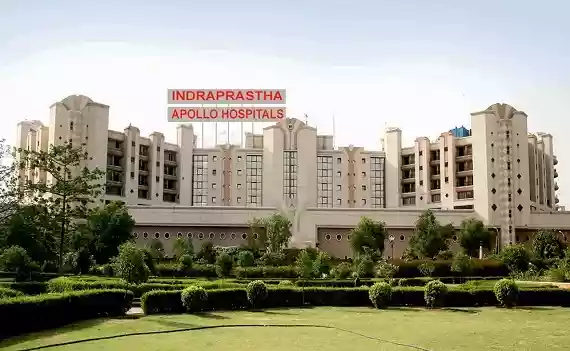
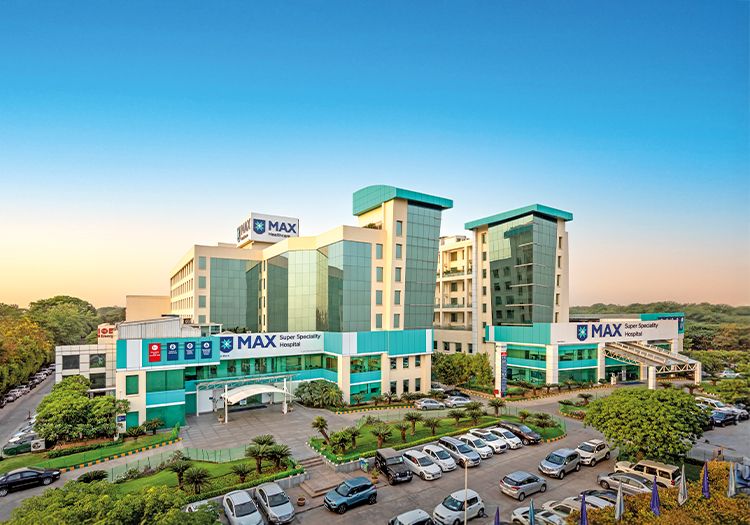
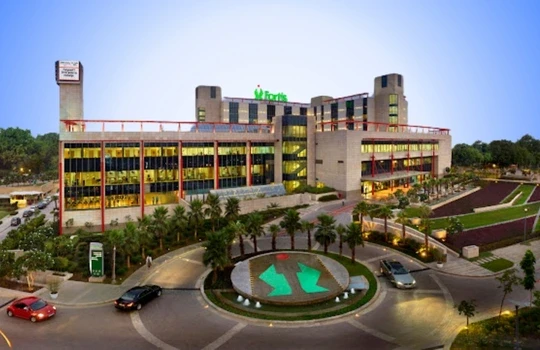
What would your Thyroidectomy (Total/Partial) cost?
Send your reports and a senior specialist sends back a written plan with costs within 24 hours. Free, with no obligation.