
Corneal Transplant in India
Also known as keratoplasty, cornea transplant surgery, PK, DALK, DSEK, DMEK

The short answer
A corneal transplant in India costs between USD 2,000 and USD 4,000 per eye for international patients, against USD 20,000 or more for the same surgery in the US. The procedure replaces damaged corneal tissue with healthy donor tissue to restore vision, using a technique matched to how much of the cornea is affected. Success rates for vision improvement run 85 to 90 percent.
About Corneal Transplant
A corneal transplant, or keratoplasty, replaces damaged or diseased corneal tissue with healthy donor tissue to restore clear vision. It is used for conditions like keratoconus, corneal scarring from infection or injury, and Fuchs' dystrophy, where glasses or contact lenses can no longer correct the distortion caused by the damaged cornea.
Procedures Available
Penetrating keratoplasty (PK) replaces the full thickness of the cornea and is used for the most severe damage. Deep anterior lamellar keratoplasty (DALK) replaces only the front layers, preserving the patient's own inner cell layer. Endothelial keratoplasty (DSEK or DMEK) replaces only the innermost layer and is used for conditions like Fuchs' dystrophy, generally offering a faster visual recovery than full-thickness surgery.
Cost
The estimate covers the surgery, donor tissue procurement, and hospital stay. Endothelial techniques like DMEK typically cost more than standard PK due to the added surgical precision required, even though the recovery is often quicker.
How Long the Trip Takes
Most patients plan for 2 to 3 weeks in India, allowing time for pre-op evaluation, the surgery, and enough follow-up visits to confirm the graft is settling well before travelling home. Full visual recovery, especially after PK, can take several months and is monitored through remote follow-up with the surgical team.
Choosing a Hospital
Choose an eye hospital with a well-established eye bank and high transplant volumes, since donor tissue availability directly affects how quickly surgery can be scheduled. Confirm which technique the surgeon recommends for your specific condition, since PK, DALK, and endothelial keratoplasty each suit different patterns of corneal damage.
Corneal Transplant cost
| Country | Indicative cost |
|---|---|
| India — with Nobel Medi Assistance | $2,000 – $2,500 |
Figures are indicative for international patients and depend on the hospital, the surgeon and your reports. Your exact cost is confirmed in writing after a specialist review — free, and with no obligation.
What the estimate covers
Included
- Pre-operative evaluation and eye measurements
- Donor corneal tissue
- Surgeon and anaesthesia fees
- Operation theatre charges
- Hospital stay through discharge
- Immediate post-operative eye medication
Not included
- Flights and visa fees
- Accommodation outside the hospital
- Ongoing eye drops and medication after discharge
- Suture removal visits beyond the initial follow-up window
- Treatment for an unrelated eye condition
- Repeat surgery if graft rejection occurs
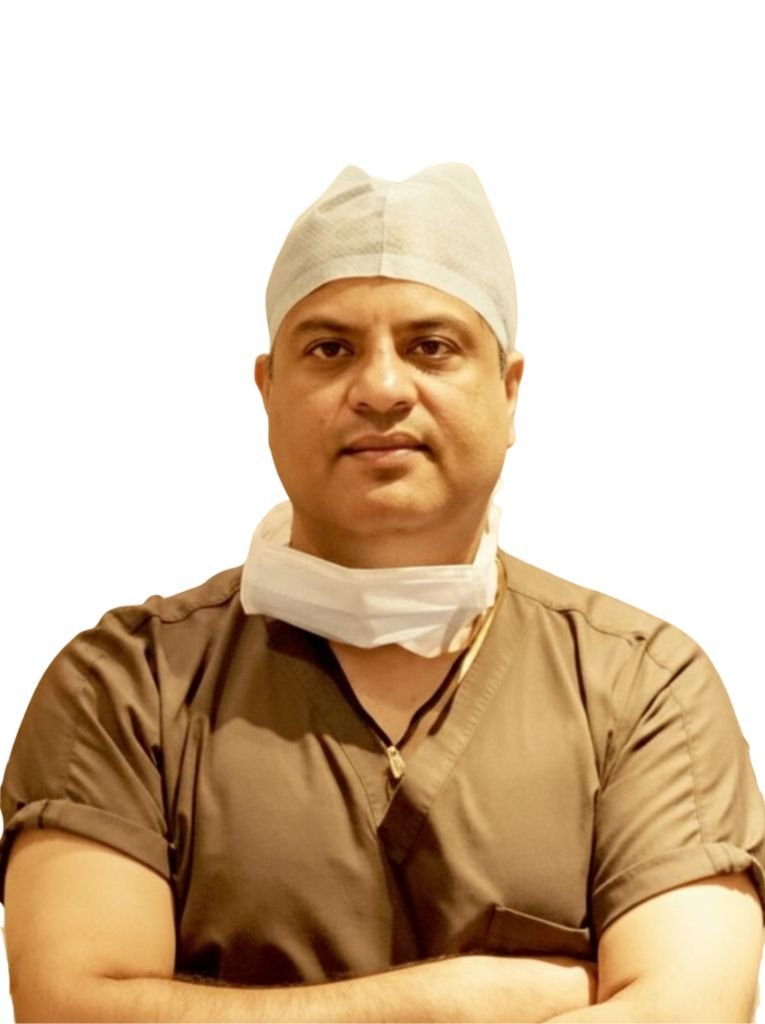
Specialists who perform this

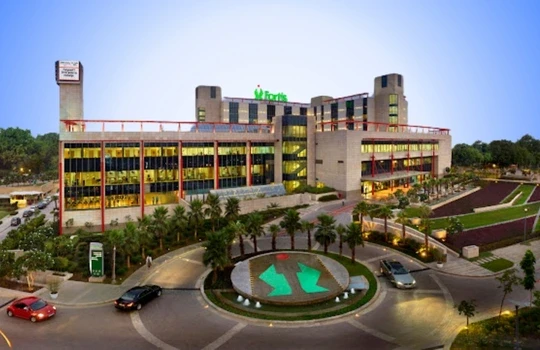
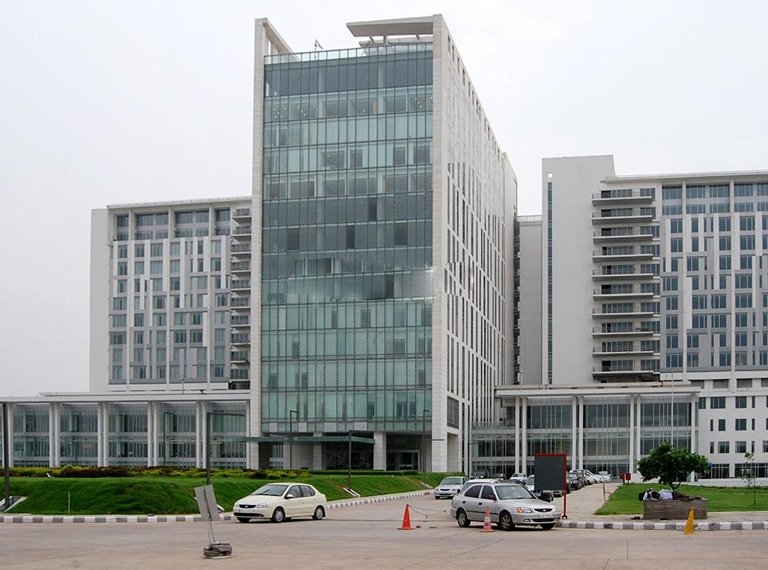
Where it is done


What would your Corneal Transplant cost?
Send your reports and a senior specialist sends back a written plan with costs within 24 hours. Free, with no obligation.