
Retina Treatments (Vitreoretinal Surgery) in India
Also known as vitrectomy, retinal detachment surgery, vitreoretinal surgery, scleral buckling, retina surgery

The short answer
Retina treatment in India, covering vitrectomy, scleral buckling, and related retinal detachment surgery, costs between USD 1,500 and USD 3,500 for international patients. These procedures reattach or repair the retina to prevent further vision loss from conditions like retinal detachment, diabetic retinopathy, or a macular hole. Primary surgical success runs 85 to 90 percent, rising to over 95 percent when a second procedure is needed.
About Retina Treatments (Vitreoretinal Surgery)
Retina treatments cover a group of surgical procedures used to repair a detached or damaged retina and preserve vision, treating conditions such as retinal detachment, diabetic retinopathy, macular holes, and vitreous haemorrhage. Retinal detachment in particular is a medical emergency, since delaying surgery increases the risk of permanent vision loss.
Procedures Available
Vitrectomy removes the gel-like vitreous from the eye to give direct access to the retina, which is then repositioned and secured, often with a gas bubble or silicone oil. Scleral buckling places a flexible band around the outside of the eye to relieve the traction pulling the retina away. Pneumatic retinopexy, a simpler option for select cases, uses a gas bubble alone. Laser photocoagulation is used to seal smaller retinal tears before they progress to full detachment.
Cost
The estimate covers evaluation, the surgery, anaesthesia, and hospital stay through discharge. Vitrectomy generally costs more than scleral buckling or laser treatment given the more complex equipment and technique involved. Whether vision can improve, rather than just be preserved, depends heavily on whether the macula, the central part of the retina, was involved in the detachment.
How Long the Trip Takes
Most patients plan for 10 to 14 days in India. Beyond the surgery itself, patients who receive a gas bubble often need to maintain a face-down position for part of the recovery and must avoid flying until the surgeon confirms the eye has healed enough for the pressure change of air travel.
Choosing a Hospital
Retinal detachment is time-sensitive, so choose a hospital with a dedicated vitreoretinal surgery team that can evaluate and operate quickly rather than one where retina cases wait behind a general ophthalmology queue. Ask directly whether a gas bubble or silicone oil will be used, since this affects your positioning instructions and how soon you can fly home.
Retina Treatments (Vitreoretinal Surgery) cost
| Country | Indicative cost |
|---|---|
| India — with Nobel Medi Assistance | $2,000 – $3,000 |
Figures are indicative for international patients and depend on the hospital, the surgeon and your reports. Your exact cost is confirmed in writing after a specialist review — free, and with no obligation.
What the estimate covers
Included
- Pre-operative evaluation and retinal imaging
- Surgeon fees and operation theatre charges
- Anaesthesia
- Gas bubble, silicone oil, or scleral buckle, as used
- Immediate post-operative eye medication
- Follow-up consultation before discharge
Not included
- Flights and visa fees
- Accommodation outside the hospital
- Silicone oil removal, if a second procedure is needed later
- Repeat surgery, if the retina redetaches
- Ongoing eye drops after discharge
- Treatment for an unrelated eye condition
Specialists who perform this

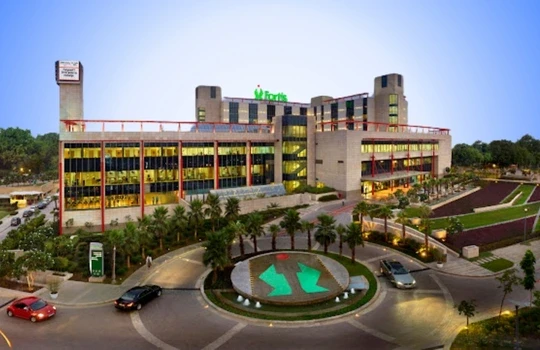
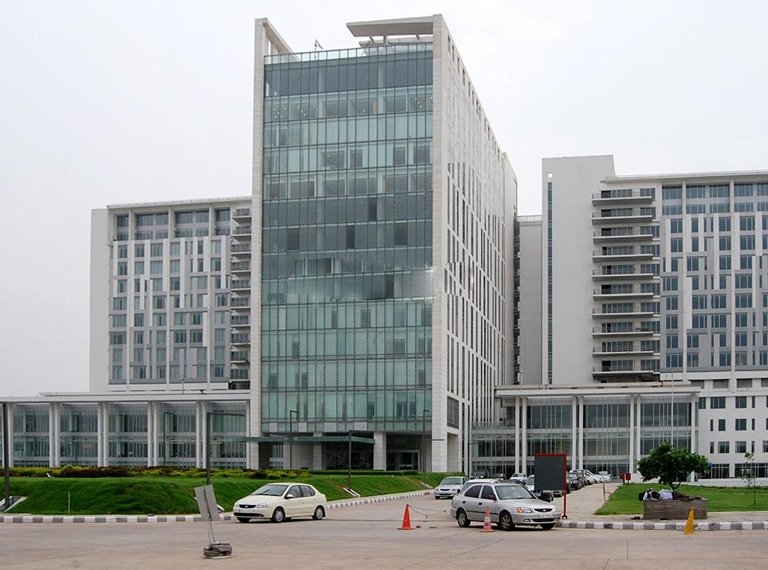
Where it is done


What would your Retina Treatments (Vitreoretinal Surgery) cost?
Send your reports and a senior specialist sends back a written plan with costs within 24 hours. Free, with no obligation.