
Cataract Surgery in India
Also known as phacoemulsification, phaco surgery, lens replacement surgery, IOL implant surgery
The short answer
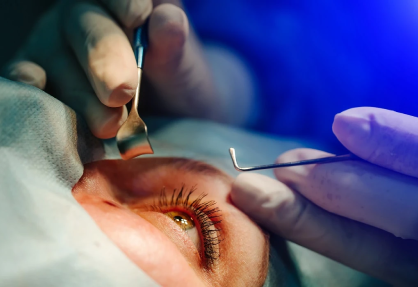
Cataract surgery in India costs between USD 900 and USD 1,800 per eye for international patients, well below the USD 3,000-plus typical in the West. The cloudy natural lens is removed and replaced with an artificial intraocular lens, most often using bladeless phacoemulsification, in a procedure that takes under 30 minutes. Success rates exceed 95 percent, making it one of the most reliably successful surgeries performed anywhere.
About Cataract Surgery
Cataract surgery removes the eye's natural lens once it has become cloudy, most commonly with age, and replaces it with a clear artificial intraocular lens. It is one of the most performed and most successful surgeries in the world, restoring clear vision quickly with minimal discomfort for the vast majority of patients.
Procedures Available
Standard phacoemulsification uses ultrasound energy to break up the cloudy lens through a small incision, and is the most widely used technique. Femtosecond laser-assisted cataract surgery (FLACS) uses a laser for key steps of the procedure, offering additional precision at a higher cost. The lens choice matters as much as the technique: a monofocal lens corrects distance vision only, while multifocal or toric lenses reduce dependence on glasses afterward but cost more.
Cost
The estimate covers consultation, the surgery itself, a standard monofocal lens, and immediate follow-up. Upgrading to a multifocal, trifocal, or toric lens, or choosing femtosecond laser assistance, moves the price toward the higher end of the range.
How Long the Trip Takes
Most patients plan for 5 to 7 days in India. This allows a day or two for pre-op evaluation, the procedure itself, which is typically done as day care with no overnight stay, and a short follow-up period to confirm the eye is healing well before flying home.
Choosing a Hospital
Cataract surgery outcomes depend heavily on lens choice and surgeon experience rather than hospital size, so ask directly what lens options are available and what the surgeon's own complication rate looks like. If both eyes need surgery, most centres space the two procedures a few days to a week apart rather than doing them on the same day.
Cataract Surgery cost
| Country | Indicative cost |
|---|---|
| India — with Nobel Medi Assistance | $900 – $1,500 |
Figures are indicative for international patients and depend on the hospital, the surgeon and your reports. Your exact cost is confirmed in writing after a specialist review — free, and with no obligation.
What the estimate covers
Included
- Pre-operative consultation and eye measurements
- Standard monofocal intraocular lens
- Surgeon fees and operation theatre charges
- Local anaesthesia
- Immediate post-operative eye medication
- Follow-up consultation before discharge
Not included
- Flights and visa fees
- Accommodation outside the hospital
- Premium lens upgrade (multifocal, trifocal, or toric)
- Femtosecond laser assistance fee, if chosen
- Second eye surgery, if not booked as part of the same package
- Treatment for an unrelated eye condition found during evaluation
Specialists who perform this




Where it is done

What would your Cataract Surgery cost?
Send your reports and a senior specialist sends back a written plan with costs within 24 hours. Free, with no obligation.