
Proton Therapy in India
Also known as Proton beam therapy, PBS proton therapy, pencil beam scanning therapy, proton radiotherapy, advanced radiation therapy

The short answer
Proton therapy in India costs between $25,000 and $45,000 for a full treatment course, against $125,000 to $205,000 in the US. It is an advanced form of radiation therapy that uses protons instead of X-rays to target tumours precisely, sparing more surrounding healthy tissue, and is typically given over 15 to 35 sessions across several weeks.
About Proton Therapy
Proton therapy is an advanced form of radiation treatment that uses a beam of protons, rather than the X-rays used in conventional radiotherapy, to target a tumour. Because of the physical properties of protons, the beam delivers most of its energy directly at the tumour and releases very little dose beyond it, unlike X-rays, which continue through the body and expose healthy tissue on the far side. This precision makes proton therapy particularly valuable for tumours near sensitive structures such as the brain, spine, eyes, or heart.
Who proton therapy is used for
Proton therapy is commonly used for paediatric cancers, brain and spinal tumours, head and neck cancers, prostate cancer, sarcomas, and cancers near critical organs where reducing radiation exposure to surrounding tissue meaningfully lowers the risk of long-term side effects. It is especially valued in children, where minimising radiation to developing tissue and organs can reduce the risk of long-term growth and developmental effects, as well as second cancers later in life.
Pencil beam scanning technology
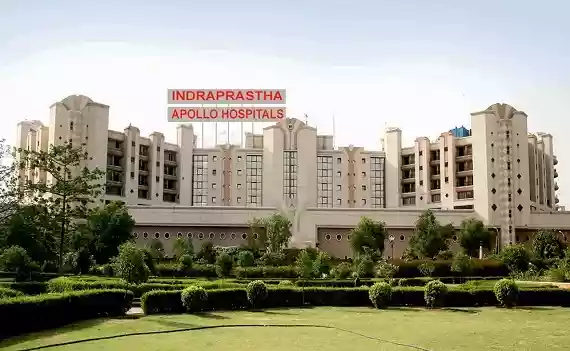
Modern proton centres, including India's Apollo Proton Cancer Centre, use pencil beam scanning (PBS), a technique that paints the tumour with a thin proton beam layer by layer, shaping the radiation dose precisely to the tumour's exact shape from every angle. This level of precision is part of what allows proton therapy to reduce dose to nearby healthy organs compared to standard radiotherapy.
What decides the number of sessions and final cost
The number of sessions needed, and therefore the final cost, depends on the type, size, and location of the tumour. Straightforward cases may need as few as 15 sessions, while complex cases such as head and neck tumours can need 30-35 sessions. Paediatric cases requiring daily anaesthesia and cases needing more complex treatment planning also tend to sit toward the higher end of the price range.
Why patients choose India for this
Apollo Proton Cancer Centre uses the same IBA Proteus PLUS pencil beam scanning system used at leading centres in the US and Europe, at a fraction of the international price.
Apollo Proton Cancer Centre in Chennai is the only proton therapy facility serving this entire region, meaning international patients from nearby countries have a genuine full-course option without travelling to the US or Europe.
Unlike many overseas proton centres with long booking queues, international patients are prioritised for scheduling, important for cancer cases where treatment timing matters.
The centre integrates radiation oncology with medical oncology, surgery and diagnostics, so any combination treatment your case needs is coordinated at one facility rather than across separate hospitals.
Proton Therapy cost
| Country | Indicative cost |
|---|---|
| India — with Nobel Medi Assistance | $25,000 – $45,000 |
| United States | $125,000 - $205,000 |
| United Kingdom | $100,000 - $150,000 |
| Germany / Europe | $100,000 - $150,000 |
| Canada | $140,000 - $200,000 |
Figures are indicative for international patients and depend on the hospital, the surgeon and your reports. Your exact cost is confirmed in writing after a specialist review — free, and with no obligation.
What the estimate covers
Included
- Radiation oncologist consultation and treatment planning
- CT/MRI-based treatment simulation and planning
- Proton therapy sessions as per the planned course (typically 15-35 sessions)
- Routine medicines and consumables during treatment
- Pre-radiation staging tests directly related to treatment planning
- Oncologist review during the course of treatment
Not included
- Initial diagnostic workup, biopsy and staging scans done before arrival in India
- Flights, visa and travel insurance
- Accommodation for the full treatment course (5-7 weeks)
- Combination treatments such as chemotherapy, surgery or immunotherapy, if recommended alongside proton therapy
- Anaesthesia for paediatric cases requiring it for each session
- Follow-up scans and oncology visits after returning home
How Proton Therapy is done
- Consultation and reviewA radiation oncologist reviews your diagnosis, staging and prior treatment remotely to confirm whether proton therapy is an appropriate option for your case.
- Treatment simulationOn arrival, a planning CT and, often, an MRI are done to map the tumour precisely, and a custom immobilisation device is made to keep you positioned identically for every session.
- Treatment planningThe radiation oncology team designs a personalised plan using pencil beam scanning, calculating the exact dose and number of sessions your case needs.
- Daily treatment sessionsEach session involves careful positioning using the immobilisation device, followed by delivery of the proton beam, which typically takes only a few minutes once you are correctly positioned.
- Weekly reviewYour oncologist reviews your progress and side effects on a set schedule throughout the course, adjusting supportive care as needed.
- Completing the courseSessions continue on weekdays until the planned number is completed, commonly over 3-7 weeks depending on your specific treatment plan.
- Follow-up planningOnce treatment is complete, your oncologist confirms a follow-up imaging and review schedule to track your response over the following months.
Recovery and what to expect
- During treatmentMost patients continue normal daily activities between sessions; some tiredness and localised skin or tissue effects near the treatment area are common as the course progresses.
- End of treatmentSide effects, if any, are often most noticeable in the days just after the final session; your oncology team advises on managing these before you travel.
- 2-4 weeks afterMost acute side effects begin settling; a review appointment before departure checks recovery is on track.
- 6-12 weeks afterFollow-up imaging typically assesses how the tumour has responded to treatment, guiding any further steps.
- OngoingLong-term follow-up imaging and oncology visits continue on a schedule set by your treating oncologist, often coordinated with your home care team.
Specialists who perform this


Where it is done
Frequently asked questions
How is proton therapy different from regular radiation?
Is proton therapy suitable for my type of cancer?
How many sessions will I need?
Is proton therapy painful?
How long do I need to stay in India?
Will my child need anaesthesia for treatment?
Why is proton therapy so much cheaper in India than in my home country?
What would your Proton Therapy cost?
Send your reports and a senior specialist sends back a written plan with costs within 24 hours. Free, with no obligation.