24/7 patient support Free consultation →

Immunotherapy in India

Also known as Checkpoint inhibitor therapy, cancer immunotherapy, monoclonal antibody therapy, CAR-T cell therapy, biological cancer therapy, immune therapy for cancer
Immunotherapy in India
Cost from$2,000 – $7,500 In hospitalUsually day-care Stay in India2-4 weeks SuccessVaries significantly by cancer type, stage and drug used Procedure time30-90 minutes per infusion cycle AnaesthesiaNone Opinion in24 hours

The short answer

Immunotherapy in India typically costs $2,000 to $7,500 per cycle, against $10,000 to $50,000 per cycle in the US and UK, with most patients needing 4 to 12 cycles. It works by helping the immune system recognise and attack cancer cells, using drugs such as checkpoint inhibitors, and is given as an outpatient infusion rather than surgery.

About Immunotherapy

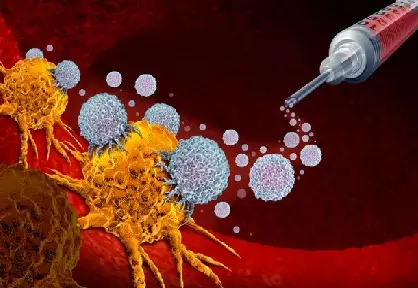
Immunotherapy is a category of cancer treatment that works with the body's own immune system rather than directly attacking cancer cells the way chemotherapy or radiation does. Certain cancers develop ways to hide from or suppress the immune response; immunotherapy drugs interrupt that process, allowing the immune system to recognise and attack the cancer more effectively.

Main types of immunotherapy

Checkpoint inhibitors, the most widely used form, block proteins that cancer cells use as a "brake" on the immune system, freeing immune cells to attack the tumour. Monoclonal antibodies are lab-made immune proteins that attach to specific markers on cancer cells, flagging them for destruction or blocking signals that help them grow. CAR-T cell therapy is a more advanced, personalised approach where a patient's own immune cells are collected, genetically modified in a lab to better recognise their specific cancer, and reinfused. Cancer vaccines and cytokine therapies are used in more specific situations to stimulate the immune response.

Not every cancer responds the same way

Immunotherapy is not equally effective across all cancer types, and eligibility usually depends on biomarker testing on your tumour tissue, which identifies whether specific proteins or genetic markers are present that make immunotherapy likely to work. Your oncologist will confirm whether immunotherapy is appropriate for your specific cancer based on this testing, rather than immunotherapy being a universal first option.

How treatment is structured

Most immunotherapy drugs are given as an outpatient infusion, typically every 2 to 4 weeks, over a course that commonly runs 4 to 12 cycles depending on the drug, your response, and your oncologist's plan. This is different from a single surgical procedure with a fixed price, which is why immunotherapy is billed and quoted per cycle rather than as a flat one-time fee.

CAR-T cell therapy: a separate, advanced option

CAR-T cell therapy is priced very differently from standard immunotherapy because it involves collecting and genetically engineering a patient's own cells. India's indigenous CAR-T therapy, NexCAR19, developed by ImmunoACT (a joint venture between IIT Bombay and Tata Memorial Centre), costs roughly $30,000 to $40,000 for the full treatment, compared to around $400,000 for equivalent imported CAR-T therapies in the West. CAR-T is used for specific blood cancers and is a distinct treatment pathway from standard checkpoint inhibitor or monoclonal antibody immunotherapy; your oncologist will confirm if it applies to your case.

Why patients choose India for this

Save 60-85% per cycle on the same drugs

Immunotherapy drugs in India are largely the same globally approved brands (pembrolizumab, nivolumab and others) used in Western hospitals, with the saving coming from lower hospital and administration costs, not different drugs.

Access to India's own CAR-T therapy

NexCAR19, India's indigenous CAR-T treatment, offers a scientifically validated alternative to imported CAR-T therapies at roughly a tenth of the international cost, for eligible blood cancer patients.

Biomarker testing and oncology teams under one roof

Partner hospitals combine molecular diagnostics, medical oncology and infusion facilities, so eligibility testing and treatment planning happen without shuttling between separate facilities.

Flexible treatment blocks for international patients

Because immunotherapy is given in cycles over months, our team helps structure your visits, whether completing several cycles in one trip or coordinating a plan with your home oncologist between visits.

Immunotherapy cost

CountryIndicative cost
India — with Nobel Medi Assistance $2,000 – $7,500
United States$10,000 - $50,000 per cycle
United Kingdom$8,000 - $30,000 per cycle
UAE / Middle East$6,000 - $20,000 per cycle
Singapore$7,000 - $22,000 per cycle

Figures are indicative for international patients and depend on the hospital, the surgeon and your reports. Your exact cost is confirmed in writing after a specialist review — free, and with no obligation.

What the estimate covers

Included

  • Medical oncologist consultation and treatment planning
  • Immunotherapy drug cost for the cycle (as agreed in the treatment plan)
  • Day-care infusion charges and nursing supervision
  • Routine pre-infusion blood work for that cycle
  • Medication for managing common infusion side effects
  • Oncologist review after each cycle

Not included

  • Biomarker or genetic testing to confirm eligibility, if not already done
  • Initial diagnostic workup, biopsy and staging scans done before arrival in India
  • Flights, visa and travel insurance
  • Accommodation during your treatment cycles
  • CAR-T cell therapy, which is priced and planned as a separate treatment pathway
  • Treatment for complications unrelated to the immunotherapy itself, or for disease progression requiring a different treatment plan

How Immunotherapy is done

  1. Consultation and reviewA medical oncologist reviews your diagnosis, staging and any prior treatment remotely to assess whether immunotherapy is a suitable option for your cancer.
  2. Biomarker testingOn arrival, tumour tissue or blood tests confirm the specific markers that indicate how likely you are to respond to immunotherapy, and which drug is most appropriate.
  3. Treatment planningYour oncologist confirms the specific drug, dose, and cycle schedule, and gives a firm cost estimate for the planned number of cycles.
  4. InfusionEach cycle is given as an outpatient infusion, usually taking 30-90 minutes, with nursing staff monitoring you throughout and immediately after.
  5. Monitoring for responsePeriodic scans and blood tests over the following cycles track how your cancer is responding, and the plan is adjusted if needed.
  6. Repeat cyclesInfusions are repeated on a set schedule, commonly every 2-4 weeks, for the number of cycles your oncologist has planned.
  7. Ongoing review and follow-upYour oncologist reviews progress regularly and coordinates a plan for continuing treatment, whether that means further visits to India or handover to your home oncology team.

Recovery and what to expect

  • Day of infusionMost patients go home the same day; mild side effects such as fatigue or a low-grade fever are common and usually settle within a day or two.
  • First week after a cycleBlood counts and general wellbeing are monitored; any side effects are managed with supportive medication as needed.
  • Between cyclesMost patients resume normal daily activity between infusions, with periodic check-ins from the oncology team.
  • Every 2-3 monthsImaging scans assess how the cancer is responding to treatment, guiding whether to continue, adjust, or conclude the immunotherapy course.
  • After the planned cyclesYour oncologist reviews overall response and confirms next steps, which may include continuing maintenance therapy, stopping treatment, or considering other options.

Specialists who perform this

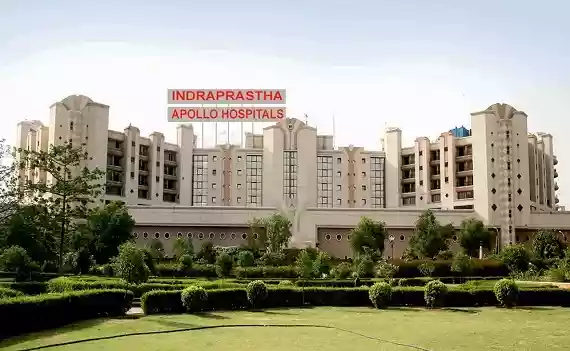
Where it is done
Frequently asked questions

Am I a candidate for immunotherapy?
This depends on your specific cancer type, stage, and biomarker test results. Your oncologist confirms eligibility after reviewing your reports and, usually, additional tumour testing.
Why is the price given per cycle instead of one total figure?
Immunotherapy is given as a series of infusions over months rather than a single procedure, and the total cost depends on the drug used and how many cycles your treatment plan requires.
How many cycles will I need?
This varies by cancer type, drug, and how your body responds, commonly ranging from 4 to 12 cycles. Your oncologist sets and adjusts this based on your progress.
Is CAR-T cell therapy the same as standard immunotherapy?
No. CAR-T is a separate, more advanced treatment that involves genetically modifying your own immune cells, used for specific blood cancers, and is priced and planned differently from checkpoint inhibitor or monoclonal antibody immunotherapy.
What are the side effects of immunotherapy?
Side effects vary by drug and person, and can include fatigue, skin reactions, or in some cases immune-related inflammation of specific organs. Your oncology team monitors for these throughout treatment and manages them as they arise.
Do I need to stay in India for the entire course of treatment?
Not necessarily. Many international patients complete an initial evaluation and several cycles in India, then continue under coordinated care with their home oncologist, or return periodically for further cycles. Your care team will help plan this around your treatment schedule.
Why is immunotherapy so much cheaper in India than in my home country?
Lower hospital overheads, oncologist fees and administrative costs bring the price down. The immunotherapy drugs themselves are largely the same internationally approved brands used in Western hospitals.

What would your Immunotherapy cost?

Send your reports and a senior specialist sends back a written plan with costs within 24 hours. Free, with no obligation.