
CAR T-Cell Therapy in India
Also known as Chimeric antigen receptor T-cell therapy, NexCAR19 therapy, CAR-T for leukemia, CAR-T for lymphoma, cellular immunotherapy, living drug cancer therapy
The short answer
CAR T-cell therapy in India costs between $45,000 and $85,000 using India's own NexCAR19 therapy, against $400,000 or more for equivalent imported CAR-T products in the US. It is a personalised cancer treatment where a patient's own immune cells are collected, genetically engineered to attack their specific cancer, and reinfused, currently approved for certain relapsed blood cancers.
About CAR T-Cell Therapy
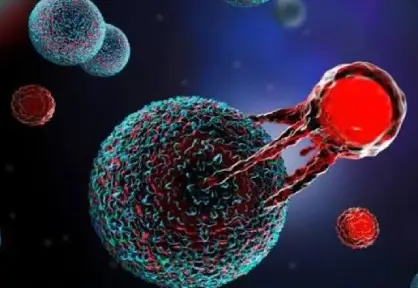
CAR T-cell therapy is a form of personalised cellular immunotherapy in which a patient's own T-cells, a type of immune cell, are collected, genetically modified in a laboratory to recognise a specific marker on their cancer cells, and then reinfused back into the body. Once reinfused, these engineered cells multiply and seek out and destroy cancer cells carrying that marker. It is sometimes called a "living drug" because the treatment is made individually from each patient's own cells rather than manufactured as a standard drug.
India's own CAR-T therapy: NexCAR19
NexCAR19 is India's first indigenously developed CAR T-cell therapy, created by ImmunoACT, a company incubated at IIT Bombay, in partnership with Tata Memorial Centre. Approved by India's drug regulator in 2023, it targets CD19, a marker found on certain B-cell blood cancers, and costs a fraction of equivalent imported CAR-T products used in the US and Europe, without a different underlying approach or clinical rationale.
Who is currently eligible
NexCAR19 is currently approved for specific relapsed or treatment-resistant blood cancers: B-cell acute lymphoblastic leukaemia (ALL) in patients aged 15 and above, and certain types of large B-cell lymphoma, including diffuse large B-cell lymphoma (DLBCL), in patients who have already tried at least two prior lines of treatment without lasting success. It is not currently a first-line treatment, nor is it approved for solid tumours, an area still being researched globally. Your haemato-oncologist confirms eligibility based on your specific diagnosis, cancer subtype and treatment history.
Why monitoring matters so much
The most serious known side effect of CAR T-cell therapy is cytokine release syndrome (CRS), an intense immune reaction that can occur as the engineered cells become active in the body, along with a risk of neurological side effects. Because of this, patients are closely monitored, usually with an inpatient stay including ICU-level monitoring capability, for a defined period after infusion. This monitoring is a core part of the treatment, not an optional add-on, and is a major reason the process takes weeks rather than days.
CAR T-Cell Therapy cost
| Country | Indicative cost |
|---|---|
| India — with Nobel Medi Assistance | $40,000 – $65,000 |
Figures are indicative for international patients and depend on the hospital, the surgeon and your reports. Your exact cost is confirmed in writing after a specialist review — free, and with no obligation.
What the estimate covers
Included
- Haemato-oncologist consultation and treatment planning
- T-cell collection (apheresis) procedure
- NexCAR19 CAR-T cell manufacturing
- Lymphodepletion chemotherapy before infusion
- CAR-T cell infusion
- Inpatient monitoring, including ICU-level capability, for cytokine release syndrome
- Routine medicines during the monitoring period
Not included
- Diagnostic workup and confirmation of eligibility done before arrival in India
- Prior lines of treatment required before CAR-T eligibility, if not already completed
- Flights, visa and travel insurance
- Accommodation for the full treatment period (4-6 weeks)
- Extended ICU care beyond the standard monitoring period, if cytokine release syndrome is severe
- Long-term follow-up visits and response assessments after returning home
Specialists who perform this
Dr. Dharma Choudhary
Hematology / Bone Marrow Transplant 👑 20+ years
Dr. Vinod Raina
Medical Oncology 👑 42+ years
Dr. Priya Tiwari
Medical Oncology
Dr Gaurav Dixit
Haematology / Bone Marrow Transplant 👑 15+ years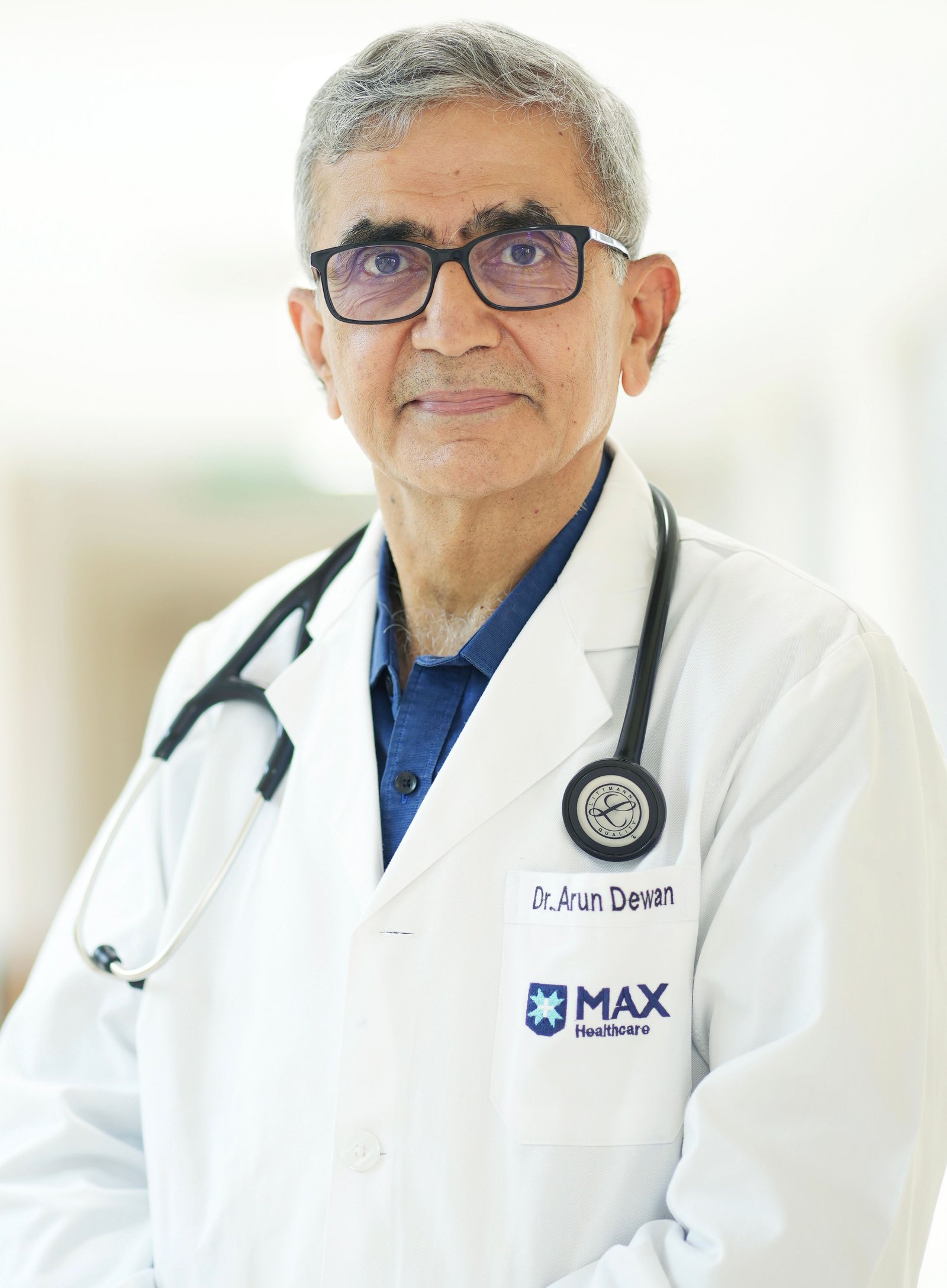
Dr Arun Singh Danewa
Pediatric Haemato-Oncology / Bone Marrow Transplant 👑 10+ years
Dr Rahul Bhargava
Hematology / Bone Marrow Transplant 👑 24+ years
Dr Vikas Dua
Pediatric Hematology-Oncology / Bone Marrow Transplant 👑 16+ years
Dr. Reyaz Ahmad
Cancer & Oncology 👑 17+ years
Dr. Satyaranjan Das
Cancer & Oncology 👑 35+ years
Dr. Shishir Seth
Cancer & Oncology 👑 20+ years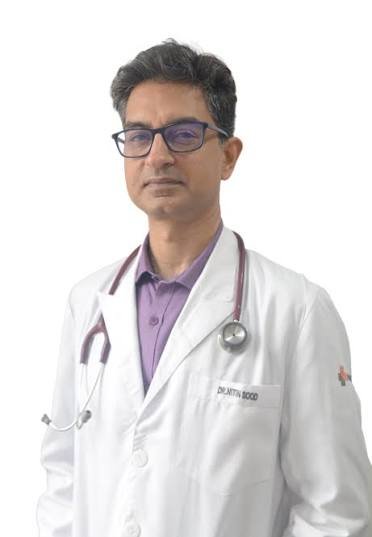
Dr. Nitin Sood
Cancer & Oncology 👑 28+ years
Dr. Divya Bansal
Cancer & Oncology 👑 22+ years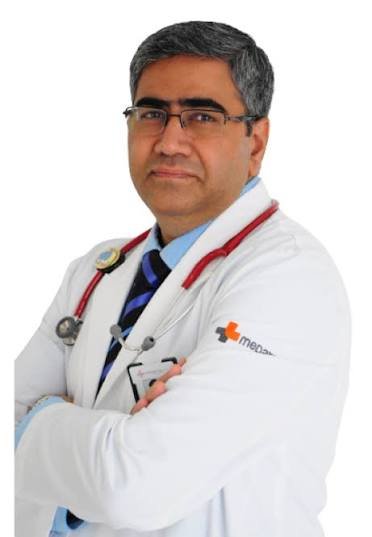
Dr. Satya Prakash Yadav
Pediatric Treatments 👑 31+ yearsWhere it is done
What would your CAR T-Cell Therapy cost?
Send your reports and a senior specialist sends back a written plan with costs within 24 hours. Free, with no obligation.