
Robotic Lung Cancer Surgery (Robotic Lobectomy) in India
Also known as robotic lobectomy, RATS (robotic-assisted thoracic surgery), robotic thoracic surgery, robotic lung resection
The short answer
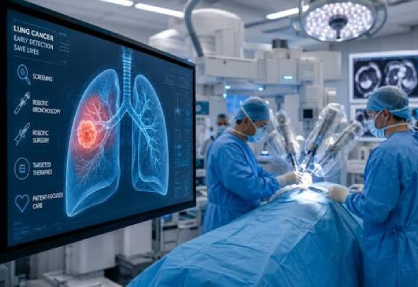
Robotic lung cancer surgery in India costs between USD 9,000 and USD 15,000 for international patients, more than VATS or open lung surgery given the robotic system's disposable instrument costs, but still a fraction of Western pricing. Using the da Vinci surgical system, the surgeon removes the cancerous lobe or portion of the lung through small incisions with 3D magnified precision, generally chosen for tumours in technically difficult locations or where its added precision genuinely changes the outcome. Reported success rates run 90 to 98 percent, with robotic patients typically leaving hospital in 4 to 5 days against 7 to 10 for open surgery.
About Robotic Lung Cancer Surgery (Robotic Lobectomy)
Robotic lung cancer surgery removes a cancerous lobe (lobectomy), a smaller segment (segmentectomy), or in more extensive cases an entire lung (pneumonectomy), using the da Vinci surgical system through several small incisions between the ribs. The robotic system's 3D magnified view and wristed instrument precision are particularly valuable for tumours in difficult-to-reach areas of the chest, without the rib-spreading required for traditional open thoracotomy.
Procedures Available
Robotic lobectomy removes the affected lobe of the lung and is the most common procedure for early-stage non-small cell lung cancer. Robotic segmentectomy removes a smaller portion, sometimes chosen for smaller tumours or patients who may not tolerate a full lobectomy. Robotic pneumonectomy, removing an entire lung, is the most extensive option, used when cancer has spread more broadly within one lung. Compared to VATS (standard video-assisted thoracic surgery), the robotic approach's added precision is most valuable for anatomically complex cases, though robotic surgery patients also consistently show shorter hospital stays and faster recovery than open surgery across stages.
Cost
The estimate covers pre-operative staging, the robotic surgery, anaesthesia, and hospital stay through discharge. Robotic instruments have a limited number of uses before requiring replacement, which is a significant driver of the higher cost compared to VATS or open surgery. More extensive procedures, such as pneumonectomy, generally cost more than lobectomy.
How Long the Trip Takes
Most patients plan for 18 to 21 days in India. This includes a diagnostic phase before surgery, covering PET-CT and brain imaging to confirm the cancer's stage and rule out spread, since this staging work is essential and often not included in a simple surgery quote. Hospital stay after surgery is typically 4 to 5 days, shorter than after open surgery, followed by recovery time before travel clearance.
Choosing a Hospital
Ask directly what the "Phase 1" diagnostic workup, PET-CT, brain imaging, and staging, costs separately from the surgery itself, since quotes covering only admission to discharge miss this essential and often substantial part of lung cancer treatment. Choose a thoracic surgical team with specific robotic lung cancer experience, since case volume in robotic thoracic surgery correlates closely with outcomes.
Robotic Lung Cancer Surgery (Robotic Lobectomy) cost
| Country | Indicative cost |
|---|---|
| India — with Nobel Medi Assistance | $7,000 – $13,000 |
Figures are indicative for international patients and depend on the hospital, the surgeon and your reports. Your exact cost is confirmed in writing after a specialist review — free, and with no obligation.
What the estimate covers
Included
- Surgeon and anaesthesia fees
- Robotic surgical system usage
- Operation theatre charges
- ICU and standard ward recovery
- Follow-up consultation before discharge
- Routine post-operative medication during hospital stay
Not included
- Flights and visa fees
- Accommodation outside the hospital
- PET-CT scan, brain MRI, and other staging imaging (often a separate, substantial cost)
- Chemotherapy or radiation, if recommended after surgery based on pathology
- Chest tube management beyond the standard hospital stay if air leaks occur
- Extended ICU or hospital stay if complications arise
Specialists who perform this






Where it is done
What would your Robotic Lung Cancer Surgery (Robotic Lobectomy) cost?
Send your reports and a senior specialist sends back a written plan with costs within 24 hours. Free, with no obligation.