24/7 patient support Free consultation →

Esophageal (Food Pipe) Surgery in India

Also known as Esophagectomy, food pipe surgery, esophageal cancer surgery, Ivor Lewis esophagectomy, transhiatal esophagectomy, minimally invasive esophagectomy
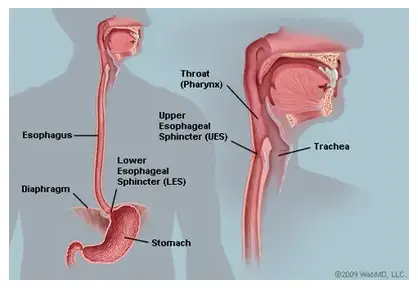
Esophageal (Food Pipe) Surgery in India
Cost from$7,000 – $10,500 In hospital9-14 days Stay in Indiaabout 18-21 days Success90-98% Procedure time4-6 hours AnaesthesiaGeneral Opinion in24 hours

The short answer

Esophageal (food pipe) surgery in India costs between $7,000 and $10,500, against $80,000 to $150,000 in the US. The surgery, called an esophagectomy, removes the diseased part of the food pipe, usually for esophageal cancer, and reconstructs the digestive tract using the stomach, restoring the ability to swallow and eat normally.

About Esophageal (Food Pipe) Surgery

The esophagus, or food pipe, carries food from the throat to the stomach. Esophagectomy is the surgery to remove part or all of it, most commonly for esophageal cancer, and also for severe strictures, precancerous changes, or other conditions where the food pipe is too damaged to function. After the diseased section is removed, the stomach is reshaped into a tube and pulled up to reconnect with the remaining healthy esophagus, restoring the ability to swallow.

Ivor Lewis vs transhiatal approach

There are two main surgical approaches. An Ivor Lewis esophagectomy, also called transthoracic esophagogastrectomy, is done through incisions in the abdomen and chest, giving the surgeon wide access to remove the tumour along with surrounding lymph nodes. A transhiatal esophagectomy is done through incisions in the neck and abdomen, without opening the chest, and may suit certain tumour locations better. Your surgeon will recommend the approach based on where the tumour or damage sits and your overall fitness for surgery.

Open vs minimally invasive surgery

Esophagectomy can be performed as open surgery through larger incisions, or as minimally invasive or robot-assisted surgery through small incisions using specialised instruments and a camera. The minimally invasive approach, when suitable, generally means less blood loss, less pain and a faster return to eating and daily activity, though not every case is anatomically suited to it.

Recovery and eating after surgery

Because the digestive tract is reconstructed, patients relearn eating in stages after surgery, starting with liquids and progressing to soft and then normal food over several weeks. A feeding tube is often placed during surgery to support nutrition in the early recovery period while the reconstructed food pipe heals. This staged recovery is one of the reasons the total stay in India is longer than for many other procedures.

Why patients choose India for this

Save 85-95% on complex GI cancer surgery

Esophagectomy is technically demanding and expensive in Western hospitals; the same surgical standard, including minimally invasive and robotic options, costs a fraction of the price in India.

Surgeons with high-volume esophageal cancer experience

Esophagectomy has one of the steepest learning curves in GI surgery; our partner hospitals work with surgical oncologists and GI surgeons who perform this procedure regularly, not occasionally.

Minimally invasive and robotic options available

Where the tumour location and your fitness allow it, partner hospitals offer minimally invasive or robot-assisted esophagectomy, reducing surgical trauma and supporting faster recovery.

Structured nutritional and post-op support

Recovery after esophagectomy depends heavily on staged nutrition and monitoring; partner hospitals build feeding tube management and dietitian support into the recovery plan from day one.

Esophageal (Food Pipe) Surgery cost

CountryIndicative cost
India — with Nobel Medi Assistance $7,000 – $10,500
United States$80,000 - $150,000
United Kingdom$38,000 - $57,000
UAE / Middle East$30,000 - $50,000
Singapore$35,000 - $55,000

Figures are indicative for international patients and depend on the hospital, the surgeon and your reports. Your exact cost is confirmed in writing after a specialist review — free, and with no obligation.

What the estimate covers

Included

  • Surgical oncologist / GI surgeon and surgical team fees
  • Operation theatre and anaesthesia charges
  • Hospital stay in ICU and ward for the planned duration
  • Routine medicines during the hospital stay
  • Nursing and dietitian support during admission
  • Feeding tube placement and management if required
  • Post-operative imaging to confirm healing before discharge

Not included

  • Diagnostic workup, biopsy and staging scans done before arrival in India
  • Pre-surgery chemotherapy or radiation, if recommended
  • Flights, visa and travel insurance
  • Accommodation for the recovery period after discharge
  • Treatment for complications unrelated to the surgery
  • Adjuvant chemotherapy or follow-up cancer treatment after returning home

How Esophageal (Food Pipe) Surgery is done

  1. Consultation and reviewA surgical oncologist or GI surgeon reviews your endoscopy, biopsy and scan reports remotely to confirm the diagnosis and surgical plan, and gives an initial estimate.
  2. Pre-operative workupOn arrival, staging scans, blood work, cardiac and lung fitness assessments confirm you are ready for major surgery.
  3. Anaesthesia and accessUnder general anaesthesia, the surgeon accesses the chest and abdomen (Ivor Lewis) or neck and abdomen (transhiatal), using open or minimally invasive technique as planned.
  4. Removing the diseased sectionThe affected portion of the esophagus, along with nearby lymph nodes, is removed and sent for pathological confirmation.
  5. Reconstructing the food pipeThe stomach is reshaped into a tube and connected to the remaining healthy esophagus to restore a continuous passage for food.
  6. ICU recoveryYou are moved to the ICU for close monitoring as your breathing, circulation and the new connection are watched closely in the early days.
  7. Staged feeding and dischargeFeeding progresses from a feeding tube to liquids and then soft food under supervision, and you are discharged once eating and healing are on track, with a follow-up plan.

Recovery and what to expect

  • First 48-72 hoursMonitored closely in the ICU; breathing support is weaned as you stabilise; nutrition is supported through a feeding tube.
  • Days 4-9Moved to a regular ward; short walks begin, and liquid feeds by mouth are introduced once swallowing is confirmed safe.
  • 9-14 daysDischarged from hospital once eating progresses safely and the surgical site is healing well.
  • 2-3 weeksContinued recovery at your accommodation in India, with diet gradually advancing to soft foods and a follow-up check before flying home.
  • 6-8 weeksMost patients return to a near-normal diet and daily activity, with continued dietary adjustments and follow-up scans as advised by the surgical team.

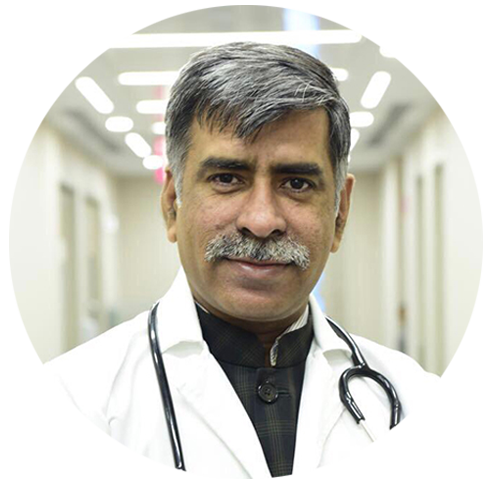
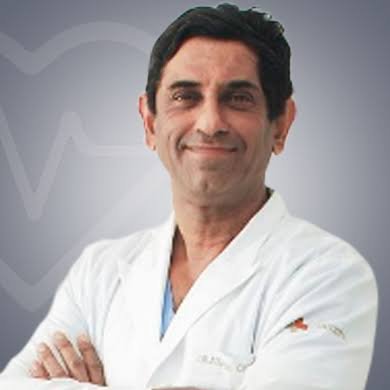
Specialists who perform this

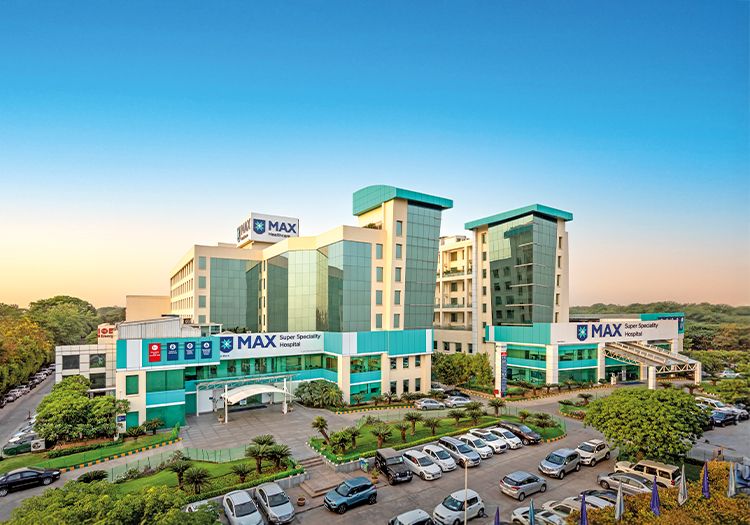
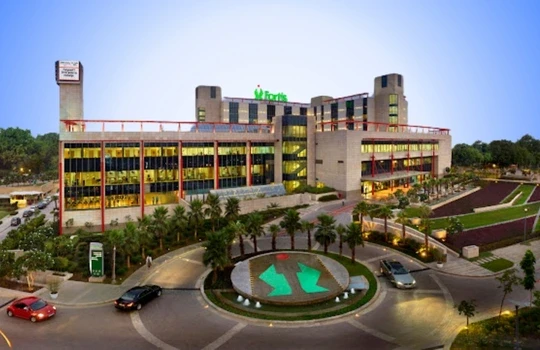
Where it is done
Frequently asked questions

Will I be able to eat normally after this surgery?
Yes, most patients return to eating a near-normal diet, though in smaller, more frequent meals and with some dietary adjustments, especially in the first few months.
Which surgical approach will I need?
This depends on where the tumour or damage is located and your overall fitness, confirmed through your scans and pre-operative workup. Your surgeon will explain the recommended approach and why.
Will I need chemotherapy or radiation as well?
Many esophageal cancer patients receive chemotherapy or radiation before or after surgery, depending on the stage and type of cancer. Your surgical oncologist will confirm this as part of your treatment plan.
How long do I need to stay in India?
Around 18-21 days in total, to allow time for surgery, ICU recovery, staged reintroduction of eating, and a follow-up check before you travel home.
Is minimally invasive esophagectomy available?
Where the tumour location and your fitness allow, yes. Not every case is suited to it, and your surgeon will confirm during your pre-operative workup.
What is the success rate for this surgery?
Reported success rates for esophagectomy in India range from 90-98%, though outcomes depend on cancer stage, overall health, and how early the condition is caught.
Why is esophageal surgery so much cheaper in India than in my home country?
Lower hospital overheads, surgeon fees and cost of living bring the price down significantly, not the surgical technique or equipment, which match international standards including minimally invasive and robotic options.

What would your Esophageal (Food Pipe) Surgery cost?

Send your reports and a senior specialist sends back a written plan with costs within 24 hours. Free, with no obligation.