Cerebral Palsy Surgery in India
Also known as Selective dorsal rhizotomy, SDR, orthopedic surgery for cerebral palsy, tendon lengthening surgery, muscle release surgery, intrathecal baclofen pump implantation
The short answer
Cerebral palsy surgery in India costs between $5,000 and $18,000, orthopaedic procedures at the lower end and selective dorsal rhizotomy (SDR) at the higher end, against $60,000 to $120,000 in Western countries. Surgery aims to reduce spasticity and correct deformity to improve movement and comfort; it manages the effects of cerebral palsy rather than curing the underlying condition.
About Cerebral Palsy Surgery
Cerebral palsy (CP) is a group of conditions affecting movement and posture, caused by abnormal brain development or injury before, during, or shortly after birth. It affects each child differently, and surgical treatment is only one part of a broader, ongoing care plan built around a child's specific pattern of muscle tone, spasticity and functional ability, typically classified using the Gross Motor Function Classification System (GMFCS).
What surgery can and cannot do
Surgery for cerebral palsy is used to reduce spasticity, correct joint or bone deformity caused by muscle imbalance, and improve function, comfort, or ease of care, depending on a child's specific goals. It is important for families to understand that surgery manages the effects of cerebral palsy; it does not cure the underlying brain-based condition. The right procedure, and how much it can realistically help, depends heavily on your child's specific GMFCS level and goals, which is why a thorough evaluation always comes before any surgical recommendation.
Selective dorsal rhizotomy (SDR)
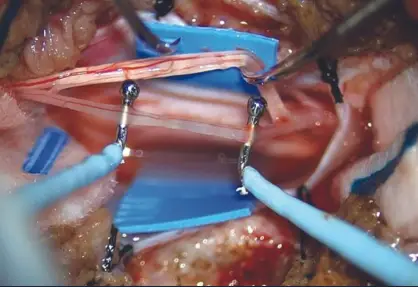
SDR is a neurosurgical procedure that selectively cuts specific overactive sensory nerve roots in the spinal cord to permanently reduce spasticity in the legs, most commonly used for children with spastic diplegia who can walk with support. It is a one-time procedure that requires committed, intensive physical therapy afterward, generally 6-12 months, to translate the reduced spasticity into improved movement and strength.
Orthopaedic surgery for cerebral palsy
Orthopaedic procedures address the musculoskeletal effects of long-term spasticity, including tendon lengthening or transfer to correct tight or imbalanced muscles, muscle release for contractures, and bony correction (osteotomy) for joint or bone deformities such as hip displacement. For children who walk, the goal is often improving gait and reducing deformity; for children who do not walk, the goal is often achieving a comfortable, well-positioned, brace-able limb that supports easier care, seating and transfers.
Intrathecal baclofen pump
For children with more severe, widespread spasticity, an intrathecal baclofen pump may be an option, a small device implanted under the skin that delivers a muscle relaxant medication directly into the spinal fluid on an ongoing basis. Unlike SDR, this is an adjustable, reversible option rather than a one-time nerve procedure, and requires periodic refills and monitoring.
Why patients choose India for this
Whether SDR, orthopaedic correction, or baclofen pump implantation, partner hospitals offer the same surgical approaches used at leading Western paediatric neurology and orthopaedic centres, at a fraction of the cost.
Partner hospitals assess your child's GMFCS level, gait, and functional goals through a full paediatric neurology and orthopaedic evaluation before recommending a specific procedure, rather than defaulting to one surgery for every case.
Selective dorsal rhizotomy in particular can involve waiting times of a year or more in some public health systems; partner hospitals can typically schedule a qualified candidate within 4-6 weeks of reviewing medical records.
Because outcomes depend heavily on committed physical therapy after surgery, particularly after SDR, our team helps plan an intensive therapy block as part of the overall treatment journey, not as an afterthought.
Cerebral Palsy Surgery cost
| Country | Indicative cost |
|---|---|
| India — with Nobel Medi Assistance | $5,000 – $18,000 |
| United States | $60,000 - $120,000 |
| United Kingdom | $38,000 - $63,000 |
| UAE / Middle East | $40,000 - $70,000 |
| Singapore | $45,000 - $75,000 |
Figures are indicative for international patients and depend on the hospital, the surgeon and your reports. Your exact cost is confirmed in writing after a specialist review — free, and with no obligation.
What the estimate covers
Included
- Paediatric neurosurgeon or orthopaedic surgeon and surgical team fees
- Operation theatre and anaesthesia charges
- Baclofen pump device, if intrathecal pump implantation is the chosen procedure
- Hospital stay for the planned duration
- Routine medicines during the hospital stay
- Initial post-operative physiotherapy during admission
- Pre-surgery multidisciplinary evaluation (GMFCS assessment, gait assessment)
Not included
- Diagnostic workup and neurodevelopmental assessment done before arrival in India
- Flights, visa and travel insurance for the child and accompanying parent(s)
- Accommodation for the extended stay, including the rehab period
- Intensive post-operative physiotherapy beyond what's included during admission (commonly needed for 6-12 months)
- Baclofen pump refills and long-term monitoring after returning home
- Treatment for complications unrelated to the surgery, or future surgeries as your child grows
How Cerebral Palsy Surgery is done
- Consultation and reviewA paediatric neurologist or orthopaedic surgeon reviews your child's GMFCS classification, gait pattern and goals remotely to confirm which surgical option, if any, may help.
- Multidisciplinary evaluationOn arrival, a detailed assessment, including neurological exam, gait analysis and imaging as needed, confirms the specific procedure and surgical plan.
- Anaesthesia and accessUnder general anaesthesia, the surgeon performs the planned procedure, whether SDR (through a small opening in the lower spine), orthopaedic correction, or pump implantation.
- Performing the procedureFor SDR, targeted overactive sensory nerve roots are identified using nerve monitoring and selectively cut. For orthopaedic surgery, tendons, muscles or bones are lengthened, released or realigned as planned. For pump implantation, the device is placed under the skin and connected to the spinal fluid space.
- Recovery and monitoringYour child is monitored closely in the days following surgery as pain is managed and early movement or positioning guidance begins.
- Beginning rehabilitationStructured physical therapy begins early, particularly critical after SDR, to build strength and translate reduced spasticity into functional improvement.
- Discharge and long-term planYou go home, or to extended accommodation for continued therapy, with a rehabilitation plan and a schedule for follow-up assessments.
Recovery and what to expect
- First 3-5 daysMonitored closely with pain management; positioning and early gentle movement guidance begins based on the specific procedure performed.
- 1-2 weeksDischarged from hospital, with structured physiotherapy underway to build strength and support healing.
- 2-4 weeksContinued intensive therapy at your accommodation in India, with a follow-up assessment before flying home.
- 3-6 monthsContinued improvement in strength and function typically becomes more apparent, particularly after SDR, as ongoing therapy at home progresses.
- 6-12 months and beyondFull functional benefit of the surgery is generally assessed at this stage, with sustained gains depending significantly on how consistently rehabilitation has continued.
Specialists who perform this
Dr. Anil Dhal
Orthopedic & Joint Replacement 👑 40+ years
Dr. I P S Oberoi
Orthopaedics / Robotic Joint Replacement & Arthroscopy 👑 33+ years
Dr Hemant Sharma
Orthopedics 👑 31+ years
Dr Harshavardhan Hegde
Orthopedics / Spine Surgery 👑 40+ years
Dr Aashish Chaudhry
Orthopedics / Joint Replacement 👑 20+ years
Dr H.N. Bajaj
Orthopedics / Spine Surgery 👑 43+ years
Dr Rajeev Verma
Orthopedics / Joint Replacement 👑 26+ years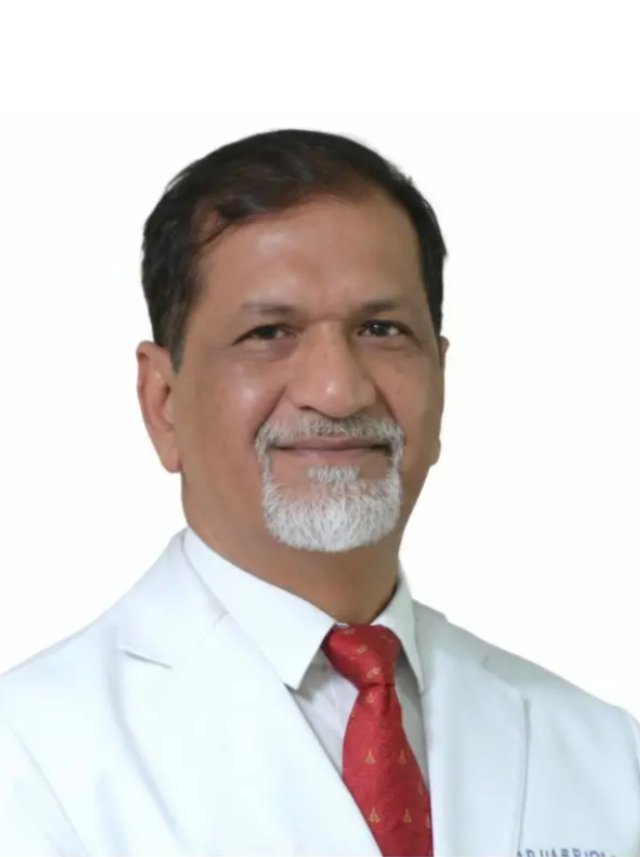
Dr Rajesh Verma
Spine Surgery / Orthopedics 👑 28+ yearsWhere it is done
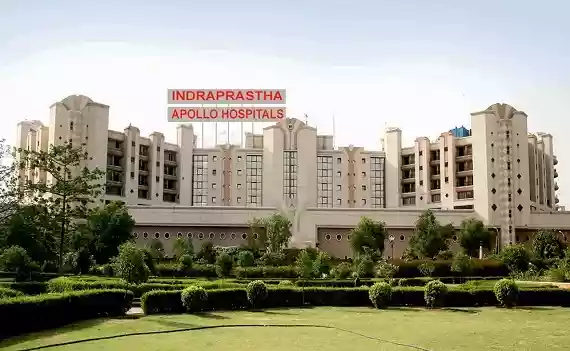
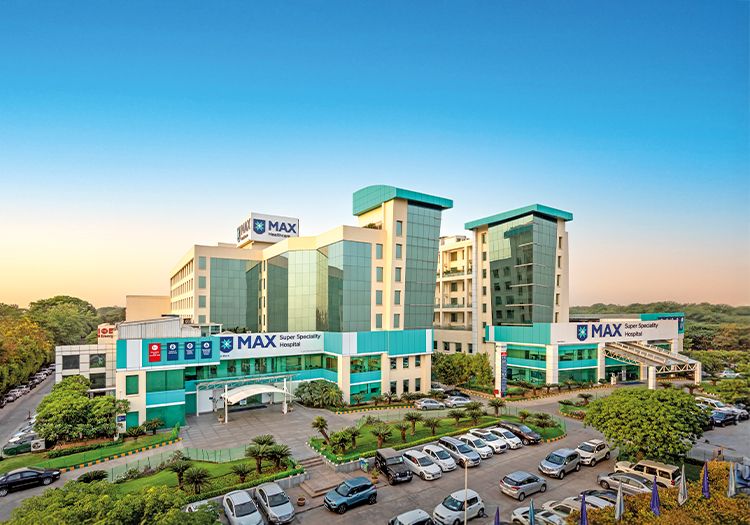
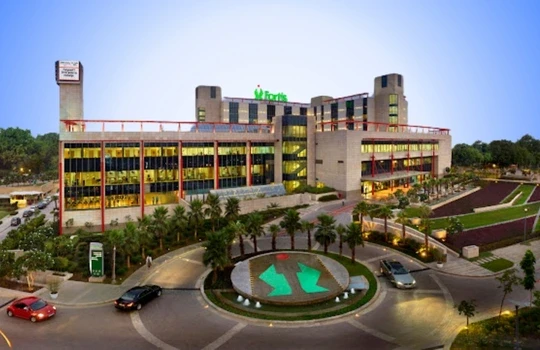
Frequently asked questions
Will surgery cure my child's cerebral palsy?
Which surgery is right for my child?
Is selective dorsal rhizotomy right for every child with spasticity?
How much rehabilitation will my child need after surgery?
How long do we need to stay in India?
Can I stay with my child during treatment?
Why is cerebral palsy surgery so much cheaper in India than in our home country?
What would your Cerebral Palsy Surgery cost?
Send your reports and a senior specialist sends back a written plan with costs within 24 hours. Free, with no obligation.