
Cyber Knife Surgery in India
Also known as CyberKnife radiosurgery, robotic radiosurgery, stereotactic body radiation therapy, SBRT, CyberKnife for cancer, X-Knife surgery
The short answer
CyberKnife surgery in India costs between $4,500 and $9,000, against $30,000 to $60,000 in the US and Europe. It is a robotic radiosurgery system that delivers highly focused radiation to tumours anywhere in the body, from the brain to the spine, lung, liver and prostate, over just 1 to 5 sessions and without any incision.
About Cyber Knife Surgery
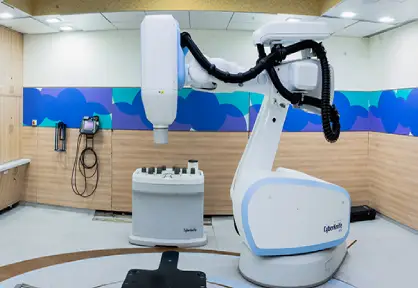
CyberKnife is a robotic radiosurgery system that delivers precisely focused radiation to tumours anywhere in the body, using a linear accelerator mounted on a robotic arm that moves around the patient with sub-millimetre accuracy. Despite the name, no cutting or incision is involved; it is a form of radiation therapy, not surgery in the traditional sense.
What sets CyberKnife apart
Unlike Gamma Knife, which is used specifically for conditions in the brain, CyberKnife can treat tumours throughout the body, including the brain, spine, lung, liver, pancreas and prostate. Its robotic arm continuously tracks the target in real time, adjusting for natural movement such as breathing, which allows it to treat tumours in areas that move, something older radiosurgery systems could not do as precisely. Most treatments do not require the rigid head frame used in some other radiosurgery systems, using a lightweight mask or no fixation device at all for body treatments.
Fewer, higher-dose sessions
CyberKnife typically delivers treatment over just 1 to 5 sessions, compared to the several weeks of daily sessions used in conventional radiotherapy, by giving a higher, more precisely targeted dose per session. This approach, called stereotactic body radiation therapy (SBRT) when used outside the brain, shortens the overall treatment timeline considerably while maintaining strong local tumour control.
Who it is used for
CyberKnife is often recommended for patients whose tumours are considered inoperable or high-risk for conventional surgery due to location or the patient's overall health, as well as for patients seeking a non-invasive alternative. It is commonly used for early-stage lung cancer, localised prostate cancer, spinal tumours, liver tumours, and brain metastases, among other conditions. Your radiation oncologist confirms suitability based on the size, number and location of your tumour(s).
Cyber Knife Surgery cost
| Country | Indicative cost |
|---|---|
| India — with Nobel Medi Assistance | $7,000 – $7,500 |
Figures are indicative for international patients and depend on the hospital, the surgeon and your reports. Your exact cost is confirmed in writing after a specialist review — free, and with no obligation.
What the estimate covers
Included
- Radiation oncologist consultation and treatment planning
- CT/MRI-based stereotactic imaging and planning
- Mask or immobilisation device, if required
- CyberKnife treatment session(s), as per the planned course
- Routine medicines during the treatment days
- Post-treatment review before discharge
Not included
- Initial diagnostic workup, biopsy and staging scans done before arrival in India
- Flights, visa and travel insurance
- Accommodation beyond the standard treatment stay
- Additional sessions if your case requires more than initially planned, decided after imaging
- Combination treatments such as chemotherapy or surgery, if recommended alongside CyberKnife
- Follow-up imaging and oncology visits after returning home
Specialists who perform this




Where it is done



What would your Cyber Knife Surgery cost?
Send your reports and a senior specialist sends back a written plan with costs within 24 hours. Free, with no obligation.