24/7 patient support Free consultation →

Kidney Stone Surgery (ESWL / URS / RIRS / PCNL) in India

Also known as Kidney stone removal, ESWL (shockwave lithotripsy), URS (ureteroscopy), RIRS (retrograde intrarenal surgery), PCNL (percutaneous nephrolithotomy), laser stone removal
Kidney Stone Surgery (ESWL / URS / RIRS / PCNL) in India
Cost from$1,500 – $5,000 In hospitalSame day Stay in Indiaabout 7-10 days Success90-98% Procedure time30-90 minutes (ESWL/URS/RIRS); 1-2 hours (PCNL) Anaesthesiageneral Opinion in24 hours

The short answer

Kidney stone surgery in India costs between $1,500 and $5,000, non-invasive shockwave therapy at the lower end and PCNL for larger stones at the higher end, against $10,000 to $25,000 in the US and UK. The right procedure depends on your stone's size, location and composition, ranging from shockwave therapy with no incision to keyhole surgery for larger stones.

About Kidney Stone Surgery (ESWL / URS / RIRS / PCNL)

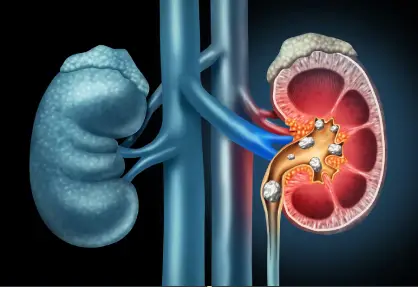
Kidney stones are hard mineral deposits that form when urine becomes concentrated, ranging from tiny grains that pass on their own to larger stones that block urine flow and cause severe pain. When a stone is too large to pass naturally, or is causing infection, kidney damage, or persistent pain, one of several surgical approaches is used to remove or break it up, chosen based on the stone's size, location and composition.

ESWL (shockwave lithotripsy)

Extracorporeal shockwave lithotripsy uses focused shockwaves delivered from outside the body to break a stone into smaller fragments that can then pass naturally in the urine. It's the least invasive option, generally used for smaller stones in favourable positions, requiring no incision or internal instruments, though some stones need more than one session to fully clear.

URS and RIRS (ureteroscopy and retrograde intrarenal surgery)

Both techniques pass a thin scope through the urethra and bladder, without any external incision, to reach the stone directly. Ureteroscopy (URS) is generally used for stones in the ureter, while retrograde intrarenal surgery (RIRS) uses a flexible scope that can reach stones within the kidney itself. Once located, the stone is typically broken up using a laser fibre and the fragments removed or left to pass naturally.

PCNL (percutaneous nephrolithotomy)

For larger or more complex stones, PCNL is used, accessing the kidney directly through a small puncture in the back, through which instruments are passed to break up and remove the stone. It's more invasive than the other options and involves a longer hospital stay and recovery, but is generally the most effective option for large stones that other techniques can't adequately clear.

Stents and stone analysis

A temporary double-J stent, a thin tube that keeps the ureter open while healing occurs, is often placed after URS, RIRS, or PCNL, and is typically removed 1 to 4 weeks later in a quick outpatient procedure. Removed stone fragments are usually sent for analysis to determine their composition, which helps guide dietary and preventive advice, since kidney stones have a well-known tendency to recur without appropriate follow-up.

Why patients choose India for this

Save 70-85% on the same laser and imaging technology

Partner hospitals use the same holmium laser systems, flexible scopes, and shockwave lithotripsy equipment used internationally, at a fraction of the cost.

High-volume urology teams across all stone techniques

Kidney stones are extremely common in India; partner urologists perform a very high volume of ESWL, URS, RIRS and PCNL procedures, including complex, large or multiple-stone cases.

The right technique chosen for your specific stone

Rather than defaulting to one approach, partner hospitals assess your stone's size, location and composition through imaging to recommend the technique most likely to succeed with the least invasive option appropriate for your case.

Coordinated stent removal and follow-up before you travel

Since a temporary stent often needs planned removal, our team helps schedule this and your final follow-up before you head home, so nothing is left unresolved.

Kidney Stone Surgery (ESWL / URS / RIRS / PCNL) cost

CountryIndicative cost
India — with Nobel Medi Assistance $1,500 – $5,000
United States$10,000 - $25,000
United Kingdom$8,000 - $18,000
UAE / Middle East$5,000 - $10,000
Singapore$6,000 - $12,000

Figures are indicative for international patients and depend on the hospital, the surgeon and your reports. Your exact cost is confirmed in writing after a specialist review — free, and with no obligation.

What the estimate covers

Included

  • Urologist and surgical team fees
  • Operation theatre and anaesthesia charges (for URS/RIRS/PCNL)
  • Laser fibre and equipment charges, as relevant to the chosen technique
  • Hospital stay for the planned duration
  • Double-J stent, if placed, and its scheduled removal
  • Routine medicines during treatment
  • Stone composition analysis

Not included

  • Diagnostic workup, CT/ultrasound imaging done before arrival in India
  • Flights, visa and travel insurance
  • Accommodation for the recovery period after discharge
  • Repeat ESWL sessions, if your stone needs more than one to fully clear
  • Treatment for complications unrelated to the procedure
  • Long-term dietary/preventive follow-up after returning home

How Kidney Stone Surgery (ESWL / URS / RIRS / PCNL) is done

  1. Consultation and reviewA urologist reviews your imaging remotely to confirm your stone's size, location and composition, and recommends the most suitable technique.
  2. Pre-procedure workupOn arrival, updated imaging and blood/urine tests confirm the treatment plan and your fitness for the chosen procedure.
  3. AnaesthesiaLocal anaesthesia and sedation for ESWL, or general anaesthesia for URS, RIRS, or PCNL.
  4. Treating the stoneDepending on the technique: shockwaves break up the stone from outside the body (ESWL), a scope reaches and lasers the stone via the urethra (URS/RIRS), or the kidney is accessed through a small puncture to remove larger stones (PCNL).
  5. Stent placement, if neededA temporary double-J stent may be placed to keep the ureter open while healing occurs.
  6. Recovery and monitoringYou're monitored in hospital, briefly for ESWL/URS/RIRS or for a few days for PCNL, before being cleared for discharge.
  7. Discharge and follow-up planningYou go home with guidance on stent care if placed, a scheduled removal date, and stone analysis results once available.

Recovery and what to expect

  • Day of procedureESWL patients typically go home the same day; URS/RIRS/PCNL patients recover in hospital for 1-5 days depending on technique.
  • First few daysMild discomfort, blood-tinged urine, or urgency (if a stent is placed) is common and generally expected; hydration is encouraged to help pass any remaining fragments.
  • 1-2 weeksReturn to light activity for most ESWL/URS/RIRS patients; PCNL patients generally need a bit longer before resuming normal activity.
  • 1-4 weeksIf a stent was placed, it's removed in a quick outpatient procedure once healing is confirmed.
  • 4-6 weeksFull recovery for most patients, along with stone analysis results guiding any dietary or preventive recommendations going forward.

Specialists who perform this

Where it is done
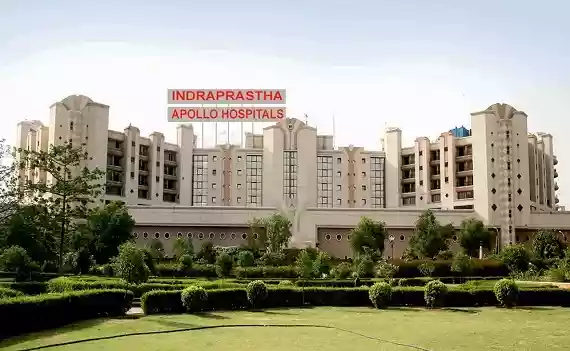
Frequently asked questions

Which procedure will I need?
This depends on your stone's size, location and composition, confirmed through imaging. Smaller, favourably positioned stones often suit ESWL or URS/RIRS; larger or more complex stones typically need PCNL. Your urologist will recommend the least invasive option appropriate for your case.
Will I need a stent, and is it uncomfortable?
A temporary stent is often placed after URS, RIRS, or PCNL to keep the ureter open while healing. Some urgency or discomfort while it's in place is common, and it's removed in a quick procedure once healing is confirmed, typically within 1-4 weeks.
Will my kidney stones come back?
Kidney stones have a well-known tendency to recur. Stone composition analysis after your procedure helps guide dietary and preventive advice to reduce this risk, though ongoing hydration and follow-up remain important regardless of the technique used.
How long do I need to stay in India?
Around 7-10 days in total, covering the pre-procedure workup, the procedure itself, initial recovery, and coordinating stent removal if one was placed.
Is ESWL painful?
ESWL is generally well tolerated with local anaesthesia and sedation, though some discomfort during and mild bruising after the procedure is common.
What happens to the stone fragments?
Fragments are either passed naturally in the urine over the following days to weeks, or removed directly during URS, RIRS or PCNL, and sent for composition analysis.
Why is kidney stone surgery so much cheaper in India than in my home country?
Lower hospital overheads, surgeon fees and cost of living bring the price down significantly, not the technology, which matches international standards including laser and shockwave systems.

What would your Kidney Stone Surgery (ESWL / URS / RIRS / PCNL) cost?

Send your reports and a senior specialist sends back a written plan with costs within 24 hours. Free, with no obligation.