
TURBT (Transurethral Resection of Bladder Tumor) in India
Also known as TURBT surgery, transurethral resection of bladder tumour, bladder tumor removal, bladder cancer diagnosis and treatment, second-look TURBT
The short answer
TURBT in India costs between $2,500 and $5,500, against $15,000 to $25,000 in the US and UK. Performed through the urethra with no external incision, it removes bladder tumours for both diagnosis (confirming the type, grade and depth of the cancer) and, for early-stage disease, as the primary treatment itself.
About TURBT (Transurethral Resection of Bladder Tumor)
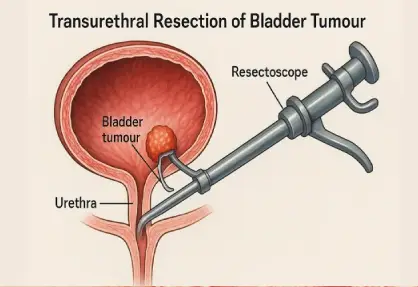
Transurethral resection of bladder tumor (TURBT) is a procedure that serves two purposes at once: it diagnoses bladder cancer by removing tissue for pathological analysis, and, for tumours confined to the inner lining of the bladder, it treats the cancer directly by removing it. It's typically the first step once a bladder tumour is found during cystoscopy or on imaging.
How it works
A cystoscope, a thin instrument with a camera, is passed through the urethra into the bladder, with no external incision needed. The surgeon uses this to locate and remove the tumour, along with a sample of the underlying bladder muscle, which is essential for determining how deeply the cancer has grown into the bladder wall. This depth of invasion, along with the tumour's grade under the microscope, are the key factors used to plan further treatment.
Diagnostic and therapeutic in one
For non-muscle-invasive bladder cancer, tumours confined to the bladder's inner lining, TURBT is often the primary treatment itself, sometimes followed by a single dose of chemotherapy instilled directly into the bladder to reduce the chance of recurrence. If pathology shows the cancer has grown into the bladder muscle, a different, more extensive treatment approach, such as radical cystectomy, chemotherapy or radiation, is generally needed, and your urologist will discuss this separately based on your specific results.
Second-look TURBT
In certain cases, particularly larger or higher-grade tumours, or where the initial resection may not have removed all visible tissue or included enough muscle for accurate staging, a second TURBT procedure is performed a few weeks later. This is a standard, recommended part of care in these specific situations, not a sign the first procedure was unsuccessful.
Why ongoing surveillance matters so much
Bladder cancer, particularly the non-muscle-invasive type most often treated by TURBT alone, has a well-documented tendency to recur, with roughly half to two-thirds of patients experiencing a new tumour within five years. Because of this, regular follow-up cystoscopy, often for years after initial treatment, is a standard and essential part of care, allowing any recurrence to be caught and treated early, when it's most manageable.
Why patients choose India for this
Partner hospitals use the same cystoscopic and resection equipment, and follow the same staging protocols, used at leading Western uro-oncology centres, at a fraction of the cost.
Partner surgeons handle bladder cancer specifically as part of a dedicated uro-oncology practice, important given how much treatment planning depends on accurate staging from this procedure.
Where post-TURBT chemotherapy or BCG instillation is recommended to reduce recurrence, partner hospitals provide this as part of a coordinated treatment plan rather than a separate referral.
Because bladder cancer surveillance is a long-term commitment, our team helps plan how follow-up cystoscopy can be coordinated between visits to India and care with your home urologist.
TURBT (Transurethral Resection of Bladder Tumor) cost
| Country | Indicative cost |
|---|---|
| India — with Nobel Medi Assistance | $2,500 – $5,500 |
| United States | $15,000 - $25,000 |
| United Kingdom | $10,000 - $18,000 |
| UAE / Middle East | $8,000 - $15,000 |
| Singapore | $9,000 - $16,000 |
Figures are indicative for international patients and depend on the hospital, the surgeon and your reports. Your exact cost is confirmed in writing after a specialist review — free, and with no obligation.
What the estimate covers
Included
- Urologist/uro-oncologist and surgical team fees
- Operation theatre and anaesthesia charges
- Hospital stay for the planned duration
- Urinary catheter during initial recovery
- Routine medicines during the hospital stay
- Pathology assessment of the removed tumour tissue, including grade and depth of invasion
- A single dose of post-procedure intravesical chemotherapy, if recommended
Not included
- Diagnostic workup, cystoscopy and imaging done before arrival in India
- Flights, visa and travel insurance
- Accommodation for the recovery period after discharge
- A second-look TURBT procedure, if recommended based on initial findings
- Further treatment such as radical cystectomy, chemotherapy or radiation, if the cancer is found to be muscle-invasive
- Ongoing surveillance cystoscopy and follow-up visits after returning home
How TURBT (Transurethral Resection of Bladder Tumor) is done
- Consultation and reviewA urologist reviews your cystoscopy findings and imaging remotely to confirm TURBT is the appropriate next step.
- Pre-operative workupOn arrival, blood tests and a final assessment confirm you're fit for the procedure.
- AnaesthesiaYou are placed under general or spinal anaesthesia.
- Removing the tumourA cystoscope is passed through the urethra, and the surgeon removes the visible tumour along with a sample of underlying bladder muscle for staging.
- Catheter placementA urinary catheter is placed to allow the bladder to drain and heal, generally for a short period.
- Confirming the pathologyThe removed tissue is sent for pathological analysis to determine the cancer's grade and how deeply it has invaded the bladder wall.
- Discharge and treatment planningYou're discharged once recovery is on track, and your urologist confirms further treatment, whether intravesical therapy, a second-look TURBT, or, if muscle-invasive, a different treatment path.
Recovery and what to expect
- First 24 hoursMild burning during urination and blood-tinged urine are common and generally expected; a catheter may remain in place briefly.
- 1-2 daysDischarged from the hospital once recovery is on track and, if placed, the catheter is removed.
- Days 3-7Mild symptoms continue to settle; strenuous activity is generally restricted during this window.
- 1-2 weeksMost patients return to normal daily activity, with a follow-up appointment reviewing your pathology results and next steps.
- OngoingRegular surveillance cystoscopy continues, often for years, given the well-known tendency for this type of cancer to recur.
Specialists who perform this




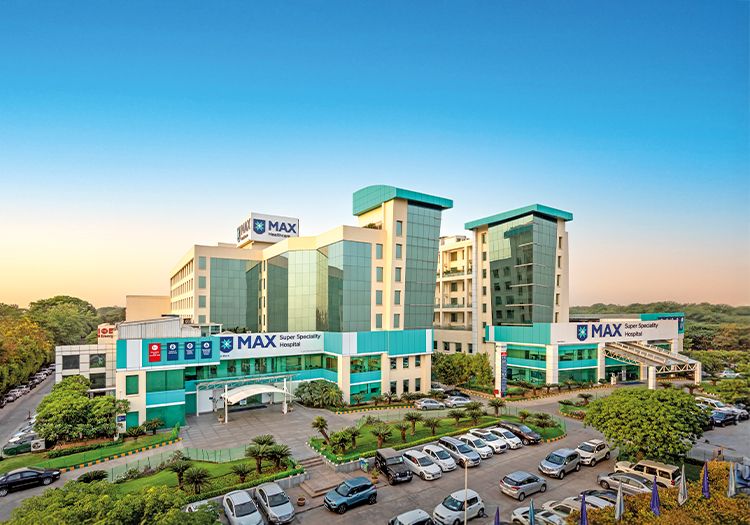
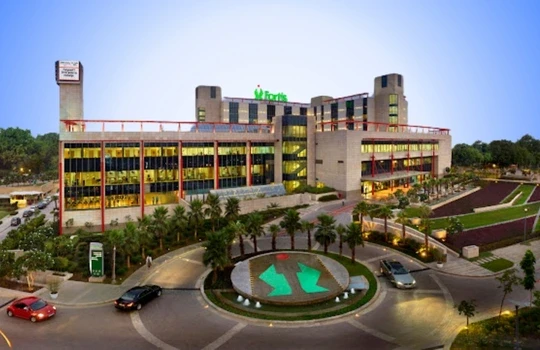
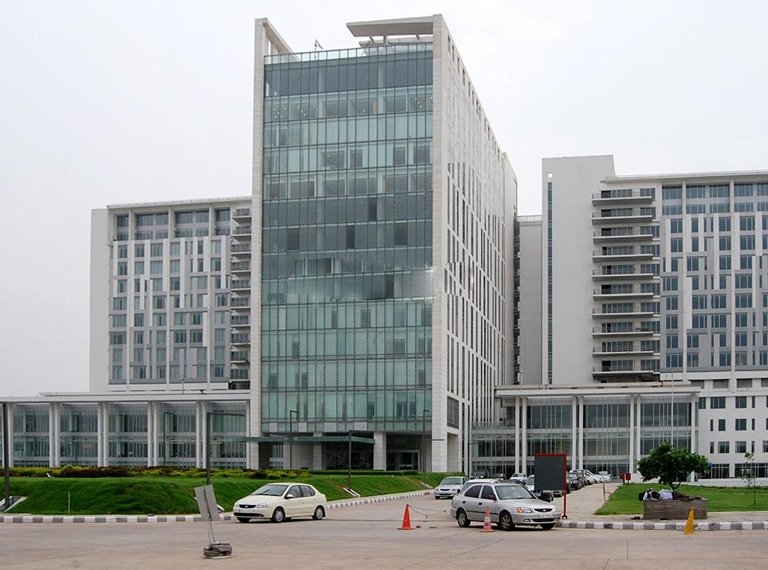
Where it is done
Frequently asked questions
Does this procedure cure my bladder cancer?
Will I need a second procedure?
What happens after the tumour is removed?
How likely is my cancer to come back?
How long do I need to stay in India?
Can ongoing surveillance be coordinated with my home doctor?
Why is TURBT so much cheaper in India than in my home country?
What would your TURBT (Transurethral Resection of Bladder Tumor) cost?
Send your reports and a senior specialist sends back a written plan with costs within 24 hours. Free, with no obligation.