24/7 patient support Free consultation →

Urethroplasty in India

Also known as Urethral stricture surgery, urethral reconstruction, buccal mucosa graft urethroplasty, excision and primary anastomosis, anterior urethroplasty
Urethroplasty in India
Cost from$3,500 – $7,500 In hospital2-4 days Stay in Indiaabout 2-3 weeks Success85-95% Procedure time2-5 hours AnaesthesiaGeneral or spinal Opinion in24 hours

The short answer

Urethroplasty in India costs between $3,500 and $7,500, against $15,000 to $30,000 in the US and UK. It's the gold-standard surgical treatment for urethral stricture, a narrowing of the urethra caused by scar tissue, reconstructing the affected segment to permanently restore normal urine flow.

About Urethroplasty

Urethral stricture is a narrowing of the urethra, the tube that carries urine out of the body, caused by scar tissue from injury, infection, prior catheterisation, certain medical procedures, or in some cases an unknown cause. As the passage narrows, it restricts urine flow, causing symptoms like a weak stream, straining, incomplete emptying, or recurrent urinary infections. Urethroplasty, the surgical reconstruction of the narrowed segment, is considered the gold-standard, most durable treatment, unlike temporary measures such as dilation or internal urethrotomy, which often need to be repeated as the stricture tends to recur.

Excision and primary anastomosis

For shorter strictures, generally in the bulbar (mid) urethra, the narrowed segment can often be surgically removed entirely, with the two healthy ends of the urethra then rejoined directly. This technique, called excision and primary anastomosis, has excellent long-term success rates and is considered when the stricture length and location make it feasible.

Graft urethroplasty

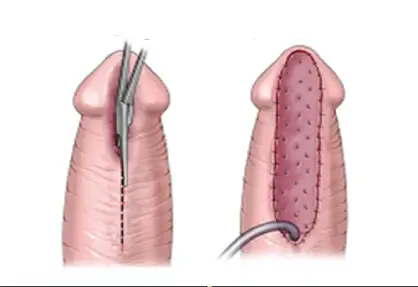
For longer strictures, or those not suited to direct rejoining, the narrowed segment is instead widened using a tissue graft, most commonly taken from the inside of the cheek (buccal mucosa), which is well suited to this purpose due to its durability and how it heals inside the body. This graft is used to patch and widen the narrowed urethral segment, restoring an adequate channel for urine flow.

Diagnostic imaging before surgery

Before surgery, imaging such as a retrograde urethrogram (RUG) and voiding cystourethrogram (VCUG), specialised X-rays that map the exact location and length of the stricture, are used to plan the surgical approach. Getting this imaging right is central to choosing the correct technique and predicting how the surgery is likely to go.

Why the catheter period affects your travel plan

After urethroplasty, a catheter typically remains in place for around 2 to 3 weeks while the reconstructed urethra heals, considerably longer than after most other urology procedures. Before the catheter is removed, a follow-up voiding cystourethrogram is generally done to confirm the reconstruction has healed properly and there's no leakage, which is why the recommended stay in India is longer than many other urological surgeries. Removing the catheter too early, based on convenience rather than confirmed healing, isn't advised.

Why patients choose India for this

Save 70-85% on the same reconstructive technique

Partner hospitals offer the same excision and primary anastomosis, and buccal mucosa graft urethroplasty techniques used at leading Western reconstructive urology centres, at a fraction of the cost.

Reconstructive urologists with specific stricture experience

Urethroplasty requires specific microsurgical reconstructive skill distinct from general urology; our partner surgeons focus specifically on urethral reconstruction, important given how much outcomes depend on technique and experience.

Full pre-operative stricture mapping done properly

Partner hospitals perform the detailed imaging (RUG/VCUG) needed to correctly plan your specific surgical approach, rather than deciding the technique only once surgery has started.

Structured catheter and healing follow-up before you travel

Because a confirmed healing check (VCUG) before catheter removal genuinely affects your outcome, our team plans your stay in India around this safety step rather than a fixed, convenience-based schedule.

Urethroplasty cost

CountryIndicative cost
India — with Nobel Medi Assistance $3,500 – $7,500
United States$15,000 - $30,000
United Kingdom$12,000 - $20,000
UAE / Middle East$8,000 - $15,000
Singapore$9,000 - $16,000

Figures are indicative for international patients and depend on the hospital, the surgeon and your reports. Your exact cost is confirmed in writing after a specialist review — free, and with no obligation.

What the estimate covers

Included

  • Reconstructive urologist and surgical team fees
  • Operation theatre and anaesthesia charges
  • Graft harvesting, if buccal mucosa graft urethroplasty is performed
  • Hospital stay for the planned duration
  • Catheter and routine medicines during recovery
  • Follow-up voiding cystourethrogram (VCUG) before catheter removal
  • Catheter removal and final pre-departure check

Not included

  • Diagnostic workup, RUG/VCUG imaging done before arrival in India
  • Flights, visa and travel insurance
  • Accommodation for the extended stay, including the catheter healing period
  • Treatment for a recurrent stricture, should it occur after surgery
  • Treatment for complications unrelated to the surgery
  • Long-term follow-up visits after returning home

How Urethroplasty is done

  1. Consultation and reviewA reconstructive urologist reviews your prior imaging and history remotely to confirm the stricture's likely location and the surgical approach that may be needed.
  2. Pre-operative imagingOn arrival, a retrograde urethrogram and voiding cystourethrogram precisely map the stricture's length and location, confirming the final surgical plan.
  3. Anaesthesia and accessUnder general or spinal anaesthesia, the surgeon accesses the urethra through the perineum, penis, or scrotal area depending on the stricture's location.
  4. Reconstructing the urethraThe narrowed segment is either excised with the healthy ends rejoined directly, or widened using a buccal mucosa or other tissue graft, depending on the stricture's length.
  5. Catheter placementA catheter is placed to support healing and allow urine drainage while the reconstruction heals over the following weeks.
  6. Recovery and catheter periodYou recover with the catheter in place for roughly 2-3 weeks, with guidance on catheter care throughout.
  7. Confirming healing and catheter removalA follow-up voiding cystourethrogram confirms the reconstruction has healed properly before the catheter is removed and you're cleared to travel home.

Recovery and what to expect

  • First 2-4 daysMonitored in hospital with the catheter in place; some discomfort at the surgical site is expected and managed with medication.
  • 1-2 weeksContinued recovery at your accommodation in India with the catheter still in place; activity is generally restricted during this period.
  • 2-3 weeksA follow-up voiding cystourethrogram confirms healing, after which the catheter is removed.
  • Following catheter removalUrination may initially feel different or take some adjustment; mild discomfort or urgency in the first few days after removal is common.
  • 6-12 weeksContinued healing and improvement in urine flow, with a further follow-up generally recommended to confirm long-term success.

Specialists who perform this

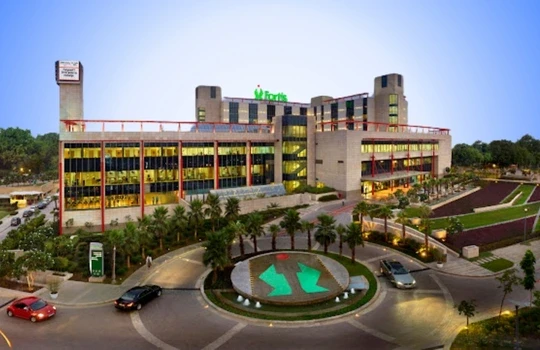
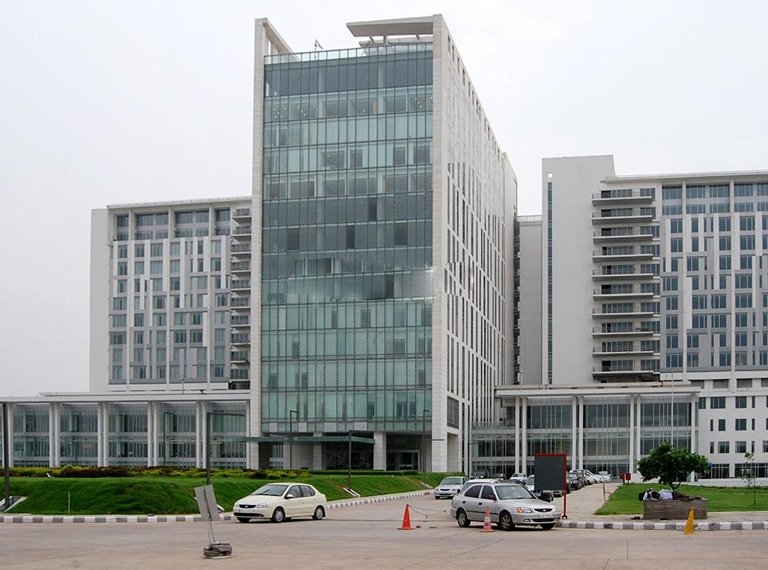
Where it is done

Frequently asked questions

Why is urethroplasty better than dilation or urethrotomy?
Dilation and urethrotomy are temporary measures that widen the stricture without removing the scar tissue causing it, so strictures often recur and need repeat procedures. Urethroplasty reconstructs the segment directly, giving considerably higher long-term success rates.
Which surgical technique will I need?
This depends on your stricture's length and location, confirmed through imaging (RUG/VCUG). Shorter strictures are often treated with direct rejoining (excision and primary anastomosis); longer strictures typically need a tissue graft.
Why does the catheter stay in so much longer than after other urology surgeries?
The reconstructed urethra needs time to heal properly before it's confirmed safe to remove the catheter, generally around 2-3 weeks, followed by imaging to confirm healing. This is a standard, necessary part of achieving a good outcome, not an extended precaution.
How long do I need to stay in India?
Around 2-3 weeks in total, to allow the catheter healing period and a follow-up imaging check to confirm success before the catheter is removed and you travel home.
Will the stricture come back?
Long-term success rates are 85-95% depending on stricture length, location and technique used. A smaller number of patients do experience recurrence over time and may need further treatment.
Where does the graft tissue come from, if I need one?
Most commonly from the inside of the cheek (buccal mucosa), which heals well and is well suited to reconstructing the urethra. Your surgeon will explain the specific graft source planned for your case.
Why is urethroplasty so much cheaper in India than in my home country?
Lower hospital overheads, surgeon fees and cost of living bring the price down significantly, not the surgical technique, which matches international reconstructive urology standards.

What would your Urethroplasty cost?

Send your reports and a senior specialist sends back a written plan with costs within 24 hours. Free, with no obligation.