24/7 patient support Free consultation →

TURP (Transurethral Resection of the Prostate) in India

Also known as TURP surgery, prostate surgery for BPH, transurethral prostate resection, bipolar TURP, laser TURP, enlarged prostate surgery
TURP (Transurethral Resection of the Prostate) in India
Cost from$2,500 – $6,000 In hospital1-3 days Stay in Indiaabout 7-10 days SuccessOver 90% Procedure time60-90 minutes AnaesthesiaSpinal or general Opinion in24 hours

The short answer

TURP surgery in India costs between $2,500 and $6,000, against $10,000 to $20,000 in the US and UK. Performed entirely through the urethra with no external incision, it removes excess prostate tissue causing urinary blockage due to benign prostatic hyperplasia (BPH), an enlarged but non-cancerous prostate.

About TURP (Transurethral Resection of the Prostate)

Transurethral resection of the prostate (TURP) is a surgical procedure used to treat benign prostatic hyperplasia (BPH), a common, non-cancerous enlargement of the prostate gland that affects a large proportion of men as they age. As the prostate enlarges, it can press on the urethra and restrict urine flow, causing symptoms such as a weak or interrupted stream, frequent urination (especially at night), urgency, or difficulty starting urination.

What TURP is, and what it isn't

It's worth being clear about what TURP treats: it is a treatment for benign prostate enlargement, not prostate cancer. If cancer is suspected or confirmed, a different treatment approach is needed, and your urologist will guide you toward the appropriate option separately. TURP is generally recommended once symptoms significantly affect quality of life and medication hasn't provided enough relief, or when complications such as recurrent urinary infections, bladder stones, or kidney impact from prolonged obstruction have developed.

How the procedure works

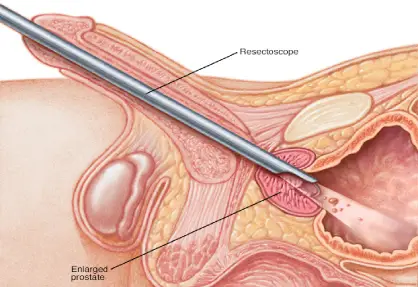
A resectoscope, a thin instrument with a light, camera and cutting or vaporising tool, is passed through the urethra, with no external incision needed. The surgeon trims away the excess prostate tissue narrowing the urethra, widening the channel for urine to pass through. Modern TURP is commonly done using bipolar or laser technology rather than older monopolar methods, generally associated with less bleeding and a shorter catheter time.

What to expect with the catheter

A urinary catheter is typically placed at the end of surgery to allow the bladder to drain while the prostate area heals, and is generally removed within 1 to 3 days, sometimes with a period of bladder irrigation (a saline flush) in the meantime to prevent clot blockage. Most patients pass urine normally once the catheter is removed, though it can take a little practice and some mild burning or urgency in the following days.

A known and generally accepted side effect

Retrograde ejaculation, where semen enters the bladder instead of exiting the body during ejaculation, occurs in a significant proportion of men after TURP, and is a well-known, generally harmless effect of the procedure rather than a complication. It doesn't affect the physical sensation of orgasm but does affect fertility, worth discussing with your urologist beforehand if this is a personal consideration.

Why patients choose India for this

Save 65-85% on the same TURP technology

Partner hospitals use the same bipolar and laser TURP systems used in Western urology departments, at a fraction of the surgical cost.

High-volume urology teams

BPH is extremely common, and TURP is one of the most frequently performed urology procedures in India, giving partner surgeons deep, repeated experience.

Both bipolar and laser options available

Whether bipolar TURP or laser technology suits your specific case and prostate size, partner hospitals offer both rather than a single fixed technique.

Clear guidance through the catheter period

Since catheter management is a central part of TURP recovery, partner hospitals provide clear, structured guidance through this period before you travel home.

TURP (Transurethral Resection of the Prostate) cost

CountryIndicative cost
India — with Nobel Medi Assistance $2,500 – $6,000
United States$10,000 - $20,000
United Kingdom$8,000 - $15,000
UAE / Middle East$5,000 - $9,000
Singapore$6,000 - $10,000

Figures are indicative for international patients and depend on the hospital, the surgeon and your reports. Your exact cost is confirmed in writing after a specialist review — free, and with no obligation.

What the estimate covers

Included

  • Urologist and surgical team fees
  • Operation theatre and anaesthesia charges
  • Resectoscope equipment (bipolar or laser technology, as planned)
  • Hospital stay for the planned duration
  • Urinary catheter and bladder irrigation during recovery
  • Routine medicines during the hospital stay
  • Post-operative check before discharge

Not included

  • Diagnostic workup, PSA testing and imaging done before arrival in India
  • Flights, visa and travel insurance
  • Accommodation for the recovery period after discharge
  • Further prostate cancer investigation or treatment, if any suspicious findings arise
  • Treatment for complications unrelated to the surgery
  • Follow-up visits after returning home

How TURP (Transurethral Resection of the Prostate) is done

  1. Consultation and reviewA urologist reviews your symptoms, PSA levels and imaging remotely to confirm BPH is the cause and that TURP is an appropriate treatment.
  2. Pre-operative workupOn arrival, urine tests, blood work and a prostate assessment confirm you're fit for surgery and finalise the surgical plan.
  3. AnaesthesiaYou are placed under spinal or general anaesthesia.
  4. Removing the excess tissueThe surgeon passes a resectoscope through the urethra and trims away the prostate tissue narrowing the urinary channel.
  5. Catheter placementA urinary catheter is placed to drain the bladder during initial healing, sometimes with bladder irrigation to prevent clot blockage.
  6. Recovery and monitoringYou're monitored in hospital for a day or more, checking urine output and overall recovery.
  7. Catheter removal and dischargeThe catheter is typically removed within 1-3 days, and you're discharged once you're passing urine normally, with a follow-up schedule.

Recovery and what to expect

  • First 24-48 hoursThe catheter remains in place, sometimes with bladder irrigation; some blood-tinged urine is normal during this period.
  • 1-3 daysThe catheter is typically removed, and you begin passing urine on your own, which may take a little practice initially.
  • 1 weekMild burning, urgency, or intermittent blood in the urine can continue, generally settling gradually; heavy lifting and strenuous activity are restricted.
  • 2-3 weeksUrinary symptoms continue to improve steadily; a follow-up check confirms recovery before flying home.
  • 4-6 weeksFull recovery for most patients, with urinary flow generally significantly improved compared to before surgery.

Specialists who perform this

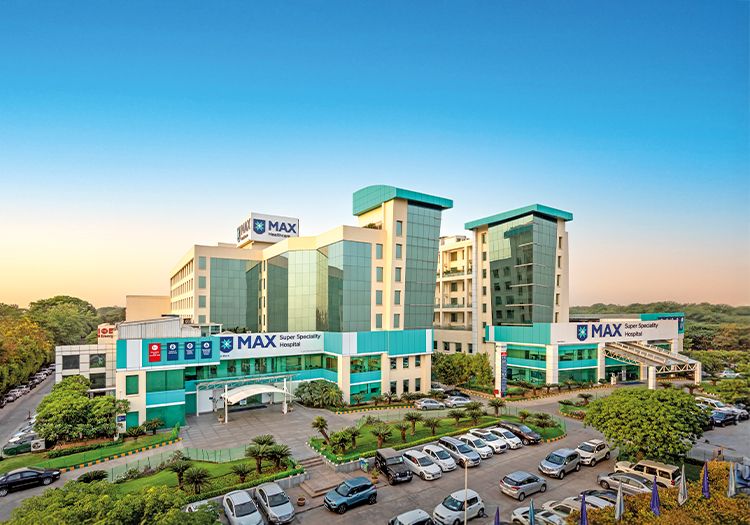
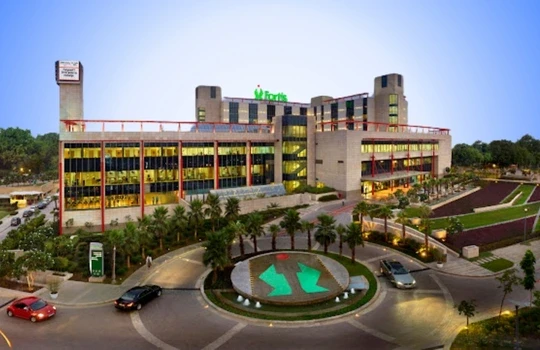
Where it is done
Frequently asked questions

Does TURP treat prostate cancer?
No. TURP treats benign prostatic hyperplasia (BPH), a non-cancerous enlargement of the prostate. If cancer is suspected or confirmed, a different treatment approach is needed, which your urologist will discuss separately.
How long will I need a catheter?
Typically 1 to 3 days after surgery, though this can vary slightly based on your recovery and your surgeon's assessment.
Will this affect my ability to have an erection?
TURP is not generally associated with erectile dysfunction, though individual experiences vary. It commonly does cause retrograde ejaculation, where semen enters the bladder rather than exiting the body, which doesn't affect the sensation of orgasm but does affect fertility.
Is bipolar or laser TURP better?
TURP is not generally associated with erectile dysfunction, though individual experiences vary. It commonly does cause retrograde ejaculation, where semen enters the bladder rather than exiting the body, which doesn't affect the sensation of orgasm but does affect fertility.
How long do I need to stay in India?
Around 7-10 days in total, covering the pre-operative workup, surgery, catheter removal and a follow-up check before you travel home.
Will my symptoms come back after TURP?
Most patients experience significant, lasting improvement in urinary symptoms. In a smaller number of cases, prostate tissue can regrow over many years and require further treatment, though this is not common in the years immediately following surgery.
Why is TURP so much cheaper in India than in my home country?
Lower hospital overheads, surgeon fees and cost of living bring the price down significantly, not the surgical technology, which matches international urology standards including bipolar and laser options.

What would your TURP (Transurethral Resection of the Prostate) cost?

Send your reports and a senior specialist sends back a written plan with costs within 24 hours. Free, with no obligation.