
Pediatric Foot Deformities Treatment in India
Also known as clubfoot treatment India, congenital talipes equinovarus treatment, flat foot correction child, pediatric clubfoot surgery cost, Ponseti method India
The short answer
Treating pediatric foot deformities like clubfoot in India costs USD 800 to 3,500, covering diagnosis, the Ponseti casting method or surgical correction, and follow-up bracing. Most children begin treatment within weeks of birth using non-surgical casting; surgery is reserved for severe or late-presenting cases. India's pediatric orthopedic teams offer this at a fraction of Western pricing, without compromising outcomes.
About Pediatric Foot Deformities Treatment
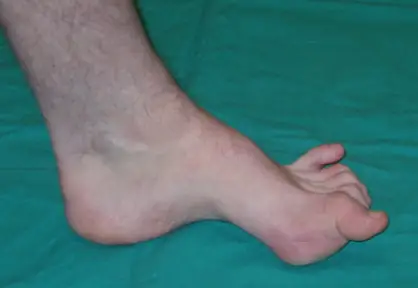
Pediatric foot deformities cover a range of congenital and developmental conditions where a child's foot is misshapen, twisted, or misaligned at birth or in early childhood. The most common is clubfoot (congenital talipes equinovarus), where the foot turns inward and downward. Other presentations include flat feet, high arches, and metatarsus adductus.
Early diagnosis, ideally within the first weeks of life, allows most cases to be corrected without major surgery. The Ponseti method, a series of gentle weekly castings followed by a bracing period, is the global standard of care and corrects the majority of clubfoot cases without an incision.
When surgery is needed
Surgical correction is reserved for children who present late, whose deformity is severe, or who do not respond fully to casting. Procedures range from a minor Achilles tenotomy (a small tendon release) to more involved soft tissue release or bone realignment surgery for complex or relapsed cases.
Why timing matters
Left untreated, foot deformities can lead to abnormal gait, chronic pain, and long-term mobility problems as the child grows. Treatment started early, ideally in infancy, has the best outcomes and the least invasive path.
Why patients choose India for this
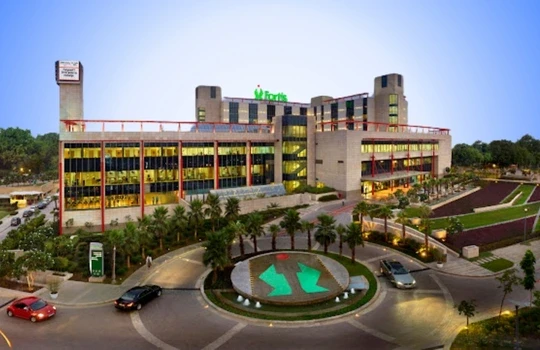
Hospitals run specialist clinics for congenital foot deformities, not general orthopedics treating children incidentally
Widely trained in the internationally-standard non-surgical technique, reducing the need for invasive surgery
A fraction of US/UK/Gulf pricing for the same technique and bracing protocols
Casting programs can begin within days of medical visa approval, important given the early-treatment window
Pediatric Foot Deformities Treatment cost
| Country | Indicative cost |
|---|---|
| India — with Nobel Medi Assistance | $800 – $3,500 |
| United States | $8,000 - $15,000 |
| United Kingdom | $5,500 - $10,000 |
| UAE | $4,000 - $7,000 |
| Singapore | $5,000 - $9,000 |
Figures are indicative for international patients and depend on the hospital, the surgeon and your reports. Your exact cost is confirmed in writing after a specialist review — free, and with no obligation.
What the estimate covers
Included
- Initial pediatric orthopedic consultation
- Ponseti casting sessions (all sittings)
- Achilles tenotomy, if required
- Foot abduction brace
- Surgical correction, if required (surgeon and hospital fees)
- Post-treatment follow-up visits during the India stay
Not included
- Travel and accommodation for the family
- Medical visa costs
- Long-term brace replacements after return home
- Physiotherapy beyond the initial recovery period
- Treatment for unrelated conditions
How Pediatric Foot Deformities Treatment is done
- AssessmentPediatric orthopedic surgeon examines the foot and confirms severity/type of deformity
- Weekly castingFoot is gently manipulated and cast, repeated weekly for 5-8 sessions (Ponseti method)
- Tenotomy, if neededSmall procedure to release the Achilles tendon under local anaesthesia, followed by a final cast
- Bracing beginsFoot abduction brace fitted, worn full-time initially then nights/naps for several years
- Surgical correction, if requiredFor severe or relapsed cases, soft tissue or bone realignment surgery under general anaesthesia
- Follow-upA final check-up confirms healing and bracing fit, with a monitoring plan given to the family before they fly home.
Recovery and what to expect
- Day of tenotomyFinal cast applied; babies are typically comfortable within hours.
- Week 1-2 after casting endsCast removed and the foot abduction brace fitting begins.Cast removed and the foot abduction brace fitting begins.
- First 3 months of bracingFull-time bracing, around 23 hours a day, with parents managing fit and skin checks.
- Years 1-4Nighttime and naptime bracing continues to prevent relapse as the child grows.
- Post-surgical cases4-6 weeks in a cast, followed by a gradual return to weight-bearing with physiotherapy.
Specialists who perform this
Dr. Somesh Virmani
Paediatric Orthopaedics
Dr. Sanjay Swarup
Paediatric Orthopaedics & Spine 👑 24+ years
Dr. Ratnav Ratan
Paediatric Orthopaedics 👑 14+ years
Dr. Manoj Padman
Paediatric Orthopaedics 👑 25+ years
Dr. Ramani Narasimhan
Paediatric Orthopaedics 👑 38+ years
Dr Rajesh Verma
Spine Surgery / Orthopedics 👑 28+ yearsWhere it is done


Frequently asked questions
What age is best for treating clubfoot?
Will my child need surgery?
Is the treatment painful for the baby?
How long do we need to stay in India?
Can both feet be treated at the same time?
What happens if we skip bracing after returning home?
Will my child walk normally afterward?
What would your Pediatric Foot Deformities Treatment cost?
Send your reports and a senior specialist sends back a written plan with costs within 24 hours. Free, with no obligation.