24/7 patient support Free consultation →

Pediatric Scoliosis and Kyphosis Surgery in India

Also known as Scoliosis correction surgery for children, spinal fusion for scoliosis, growing rod surgery, pediatric spine deformity correction, kyphosis correction surgery India
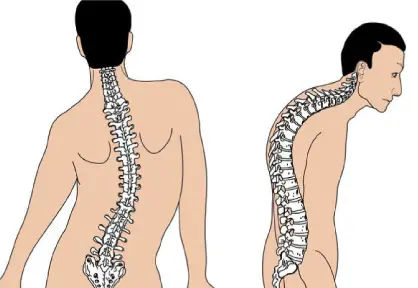
Pediatric Scoliosis and Kyphosis Surgery in India
Cost from$8,000 – $16,000 In hospital6-8 days Stay in Indiaabout 3-4 weeks Success85-90% significant curve correction Procedure time4-6 hours AnaesthesiaGeneral Opinion in24 hours

The short answer

Pediatric scoliosis and kyphosis surgery in India costs between $8,000 and $16,000, against $70,000 to $150,000 in Western countries. Surgery corrects the abnormal spinal curve using screws, rods and bone grafting, and is usually recommended once bracing and monitoring haven't controlled a progressing curve.

About Pediatric Scoliosis and Kyphosis Surgery

Scoliosis is a sideways curvature of the spine, and kyphosis is an excessive forward rounding of the upper back. Both can appear in childhood or adolescence, sometimes with no known cause (idiopathic), and sometimes linked to congenital spine differences or neuromuscular conditions. Mild curves are monitored or managed with bracing; larger or progressing curves, generally beyond 45-50 degrees, are usually recommended for surgical correction.

What surgery can and cannot do

Surgery aims to safely correct the curve, rebalance the torso over the pelvis, and hold that correction permanently through spinal fusion, using screws and rods to realign the spine while a bone graft fuses the treated vertebrae in the corrected position. It significantly improves the curve and prevents further progression; it does not always produce a perfectly straight spine, and some loss of flexibility in the fused segment is expected. In young, still-growing children, growing rod systems that are lengthened periodically may be used instead of a permanent fusion, to allow the spine and chest to keep growing.

Choosing the right approach

The right approach depends on the child's age, remaining growth, curve pattern and underlying cause. A paediatric spine surgeon assesses growth potential and curve behaviour before recommending observation, bracing, growing-rod surgery, or definitive spinal fusion.

Why patients choose India for this

Save 80-90% on major spine correction surgery

The same posterior fusion and instrumentation techniques used in leading Western spine centres are available in India at a fraction of the cost.

Dedicated paediatric spine surgery expertise

Partner hospitals have surgeons who manage scoliosis and kyphosis correction routinely, including complex and neuromuscular curves, not as an occasional case within general orthopedics.

Full pre-operative workup coordinated in one visit

Imaging, pulmonary function testing and paediatric anaesthesia clearance are arranged together before admission, reducing back-and-forth for travelling families.

Growing-rod options for younger children

For children who still have significant growth remaining, surgeons offer growth-preserving techniques rather than defaulting to early permanent fusion.

Pediatric Scoliosis and Kyphosis Surgery cost

CountryIndicative cost
India — with Nobel Medi Assistance $8,000 – $16,000
United States$70,000 - $150,000
United Kingdom$40,000 - $70,000
UAE / Middle East$25,000 - $40,000
Singapore$30,000 - $50,000

Figures are indicative for international patients and depend on the hospital, the surgeon and your reports. Your exact cost is confirmed in writing after a specialist review — free, and with no obligation.

What the estimate covers

Included

  • Paediatric spine surgeon and surgical team fees
  • Operation theatre, anaesthesia and implants (standard instrumentation)
  • Hospital stay for the planned duration
  • Routine medicines during the hospital stay
  • Post-operative nursing and wound care
  • Pre-discharge imaging to confirm correction

Not included

  • Diagnostic workup and imaging done before arrival in India
  • Flights, visa and travel insurance for the child and accompanying parent(s)
  • Accommodation once discharged from hospital
  • Growing-rod lengthening procedures, if this approach is chosen (staged surgeries)
  • Long-term physiotherapy and rehabilitation after the initial stay
  • Follow-up visits after returning home

How Pediatric Scoliosis and Kyphosis Surgery is done

  1. Consultation and imaging reviewA paediatric spine surgeon reviews X-rays, MRI and growth potential to confirm the curve pattern and best surgical approach.
  2. Pre-operative workupBlood tests, pulmonary function testing and paediatric anaesthesia clearance are completed to confirm fitness for surgery.
  3. Anaesthesia and positioningUnder general anaesthesia, the child is carefully positioned to give the surgeon safe access to the spine.
  4. Correcting the curveScrews and rods are anchored along the curve from the back, and the spine is gradually realigned into a corrected position.
  5. Fusion or growth-preserving fixationA bone graft is placed to permanently fuse the treated segment, or, in younger children, a growing-rod system is fitted instead to allow continued growth.
  6. Post-operative monitoringThe child is monitored closely for neurological status, pain control and early mobilisation in the days following surgery.
  7. Discharge and follow-up planThe family goes home with wound care instructions and a follow-up schedule, including future lengthening visits if growing rods were used.

Recovery and what to expect

  • First 24-48 hoursClosely monitored for pain control, neurological status and early sitting up, usually within a day or two.
  • Days 3-6Gradual mobilisation with physiotherapy support; wound and pain management continue.
  • 6-8 daysDischarged from hospital once walking comfortably and the surgical site is stable.
  • 2-3 weeksContinued recovery at accommodation in India, with a follow-up visit and imaging before flying home.
  • 6-12 monthsFull recovery and return to normal activity, with most patients not fully healed until this point; growing-rod cases require periodic lengthening procedures as the child grows.

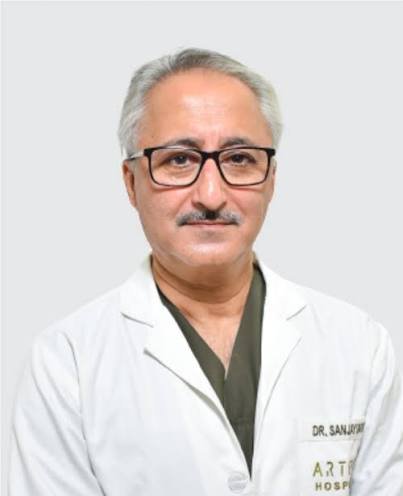
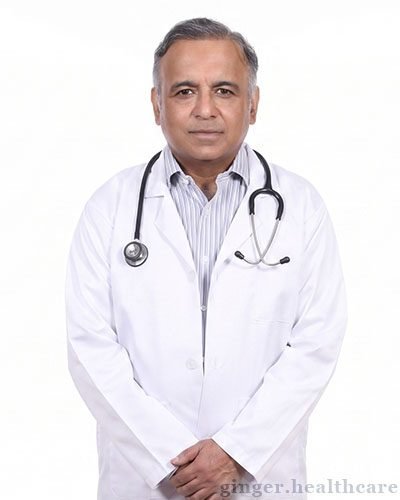
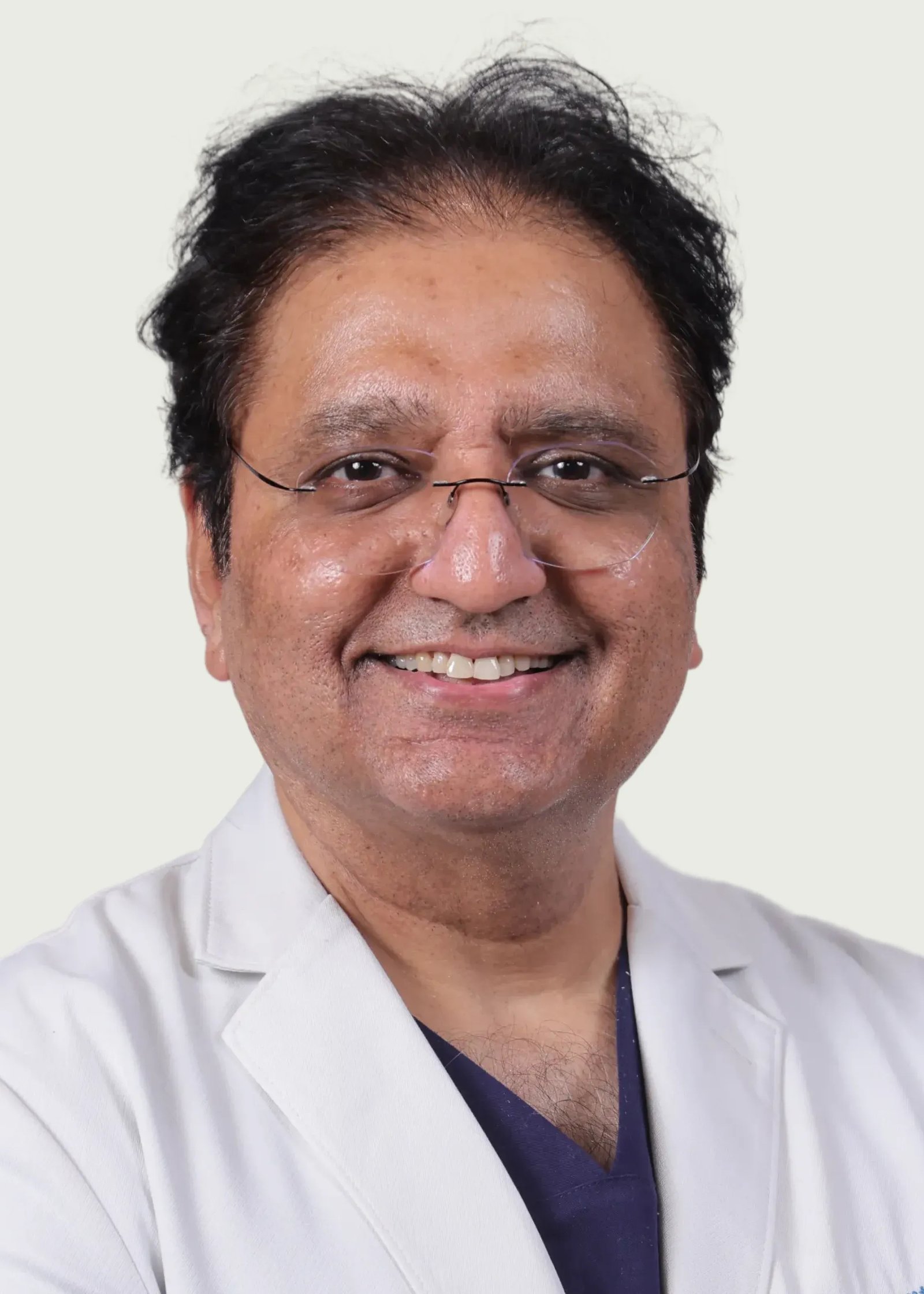
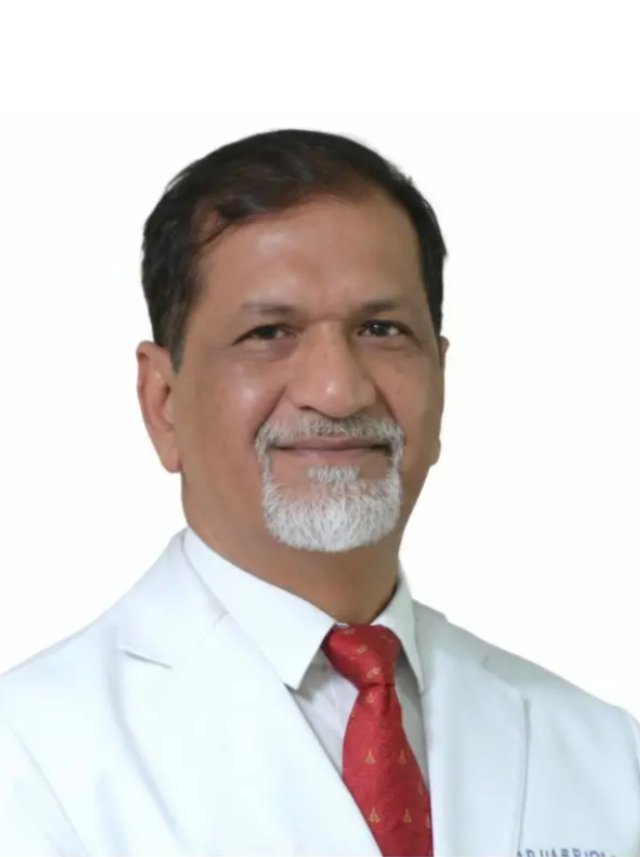
Specialists who perform this

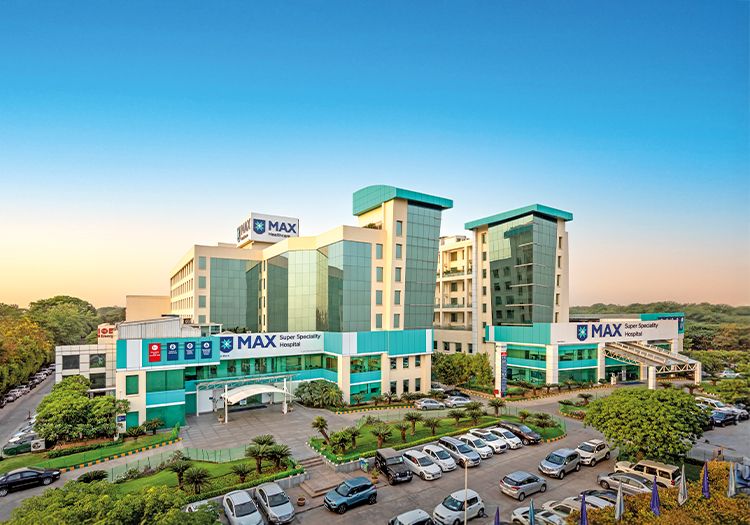
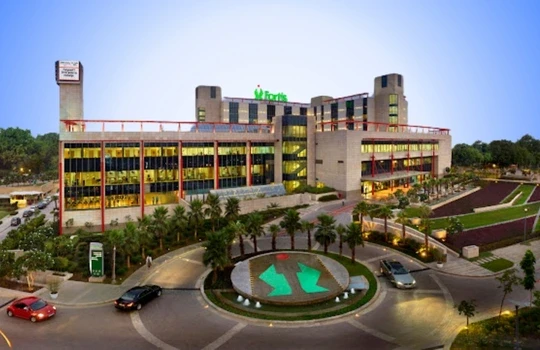
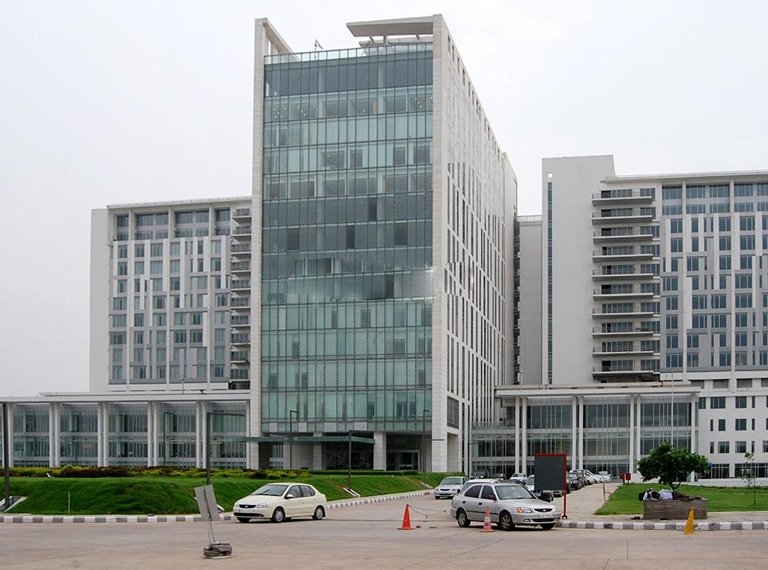
Where it is done
Frequently asked questions

At what curve size is surgery recommended?
Surgery is generally considered once a curve progresses beyond roughly 45-50 degrees, or when bracing has not controlled a worsening curve. Your surgeon will confirm this from your child's imaging.
Will my child's spine be completely straight after surgery?
Surgery significantly corrects and rebalances the curve, but a perfectly straight spine isn't always the outcome or the goal; the aim is a well-balanced, stable spine and prevention of further progression.
Will the fusion limit my child's movement?
Most fusions involve only the affected segment of the spine, so overall flexibility is not significantly limited for most day-to-day activities, though contact sports may need discussion with the surgeon.
What if my child still has significant growth left?
Younger children with substantial growth remaining may be offered growing-rod surgery instead of permanent fusion, which is lengthened periodically to allow the spine and chest to keep growing.
How long is the recovery before returning to school?
Most children return to school within 4-6 weeks, though full recovery and unrestricted activity typically takes 6-12 months.
Is this surgery safe for children?
Paediatric spine surgery has a well-established safety profile in experienced centres, with success rates of 85-90% for significant curve correction. Individual risk depends on the child's overall health and curve complexity.
Can I stay with my child during the hospital stay?
Yes, our partner hospitals accommodate an accompanying parent, and our team assists with visa arrangements for this.

What would your Pediatric Scoliosis and Kyphosis Surgery cost?

Send your reports and a senior specialist sends back a written plan with costs within 24 hours. Free, with no obligation.