24/7 patient support Free consultation →

Radioactive Iodine Therapy for Thyroid Cancer in India

Also known as RAI therapy, I-131 therapy, radioiodine therapy, thyroid remnant ablation, radioactive iodine ablation for thyroid cancer

Radioactive Iodine Therapy for Thyroid Cancer in India
Cost from$1,500 – $4,500 In hospitalOutpatient for lower doses; 1-3 days in an isolation room Stay in Indiaabout 5-7 days SuccessDestroys residual thyroid tissue in over 90% of appropriate cases Procedure timeThe dose itself takes minutes to administer AnaesthesiaNone Opinion in24 hours

The short answer

Radioactive iodine (RAI/I-131) therapy for thyroid cancer in India costs between $1,500 and $4,500 per dose, against up to $10,000 per treatment in the US, UK or Australia. Given after thyroid surgery, it is a swallowed capsule or liquid that destroys any remaining thyroid tissue or cancer cells, and most patients need one to three doses depending on their stage.

About Radioactive Iodine Therapy for Thyroid Cancer

Radioactive iodine (RAI), also called I-131 therapy, is a targeted treatment used after thyroid surgery for differentiated thyroid cancers, most commonly papillary and follicular thyroid cancer. It works because thyroid cells, including any that remain after surgery or have spread elsewhere in the body, naturally absorb iodine. The radioactive iodine, given as a swallowed capsule or liquid, is taken up specifically by these cells and destroys them from within, while sparing most other tissue in the body.

Why it is used after surgery

Even after a thorough thyroidectomy, small amounts of thyroid tissue can remain. RAI is used to destroy this remaining tissue (called remnant ablation), treat any cancer cells that may have spread to lymph nodes or elsewhere, and make future monitoring for recurrence more reliable, since any iodine-avid tissue detected later is more likely to represent a true recurrence rather than normal leftover tissue.

Preparing for treatment

Before RAI, thyroid-stimulating hormone (TSH) levels need to be raised, either by stopping thyroid hormone replacement medication for several weeks, which causes temporary hypothyroidism, or through injections of a synthetic TSH medication that avoids this. A low-iodine diet is usually followed for one to two weeks before treatment as well, since dietary iodine competes with the radioactive iodine for uptake by thyroid cells. Your care team will guide you through this preparation before your dose is scheduled.

Dose and isolation requirements

The dose given depends on your specific case: a lower dose for straightforward remnant ablation, and a higher therapeutic dose for cases with known spread beyond the thyroid bed. Higher doses require a short stay in a specially designed isolation room, due to radiation safety regulations, until radioactivity levels fall enough to be safe for others. Lower doses can often be given without hospital admission, following at-home precautions instead.

Safety precautions after treatment

After receiving radioactive iodine, patients are advised to limit close contact with others, particularly children and pregnant women, avoid sharing utensils, and sleep separately for a period ranging from a few days to about a week, depending on the dose received. Your care team gives you specific, written precautions tailored to your exact dose, since this affects how you plan your travel home.

Why patients choose India for this

Save 60-85% on the same treatment

The radioactive iodine dose, equipment and safety protocols used in India match international standards, at a fraction of the cost seen in the US, UK or Australia.

Dedicated nuclear medicine facilities

Partner hospitals run licensed nuclear medicine departments with properly designed isolation rooms and radiation safety protocols specifically for RAI therapy, not generalist wards adapted for the purpose.

Coordinated care alongside thyroid surgery

Many international patients need both thyroidectomy and RAI as part of one treatment plan; partner hospitals coordinate surgery, endocrinology and nuclear medicine so this happens as a single, sequenced visit.

Clear guidance for international travel timing

Because post-treatment isolation precautions affect when it's safe to travel, our team helps plan your dose timing and return flight around the specific precautions your dose requires.

Radioactive Iodine Therapy for Thyroid Cancer cost

CountryIndicative cost
India — with Nobel Medi Assistance $1,500 – $4,500
United States$8,000 - $15,000
United Kingdom / Australia$8,000 - $15,000
UAE / Middle East$4,000 - $8,000
Singapore$5,000 - $9,000

Figures are indicative for international patients and depend on the hospital, the surgeon and your reports. Your exact cost is confirmed in writing after a specialist review — free, and with no obligation.

What the estimate covers

Included

  • Endocrinologist and nuclear medicine specialist consultation
  • Radioactive iodine dose as prescribed for your case
  • Isolation room stay, for doses that require it
  • Pre-treatment TSH stimulation medication or injections
  • Post-treatment whole-body scan to assess treatment response
  • Routine medicines during the treatment period

Not included

  • Thyroidectomy (surgical removal of the thyroid), if not already done
  • Diagnostic workup and staging scans done before arrival in India
  • Flights, visa and travel insurance
  • Accommodation beyond the standard treatment stay
  • Additional RAI doses if your case requires repeat treatment, confirmed after follow-up scanning
  • Long-term thyroid hormone replacement medication after treatment

How Radioactive Iodine Therapy for Thyroid Cancer is done

  1. Consultation and reviewAn endocrinologist or nuclear medicine specialist reviews your surgical pathology and staging remotely to confirm the RAI dose your case needs.
  2. Pre-treatment preparationTSH levels are raised through stopping thyroid medication or synthetic TSH injections, and a low-iodine diet is followed for one to two weeks before treatment.
  3. Dose administrationYou swallow the radioactive iodine capsule or liquid, a process that takes only a few minutes.
  4. Isolation period, if requiredFor higher therapeutic doses, you stay in a dedicated isolation room for one to three days until radioactivity levels are safe for others.
  5. Post-treatment scanA whole-body scan is done a few days after treatment to see where the radioactive iodine was taken up, helping confirm treatment coverage.
  6. Discharge with precautionsYou are discharged with specific written precautions about contact with others, based on your exact dose, and a schedule for follow-up blood tests and scans.
  7. Follow-up planningYour endocrinologist confirms a monitoring schedule, typically involving periodic thyroglobulin blood tests and imaging, to track your response over time.

Recovery and what to expect

  • Day of treatmentMost patients feel normal immediately after taking the dose; some may notice a metallic taste or mild nausea.
  • First few daysFollowing contact precautions is the main focus, particularly avoiding close contact with children and pregnant women.
  • 1 weekMost precautions have ended for lower doses; higher-dose cases may need a few more days depending on specific guidance given at discharge.
  • 2-4 weeksThyroid hormone replacement medication, if paused before treatment, is restarted, and energy levels typically improve.
  • 3-6 monthsFollow-up blood tests (thyroglobulin) and imaging assess how well the treatment worked and whether any further RAI or monitoring is needed.

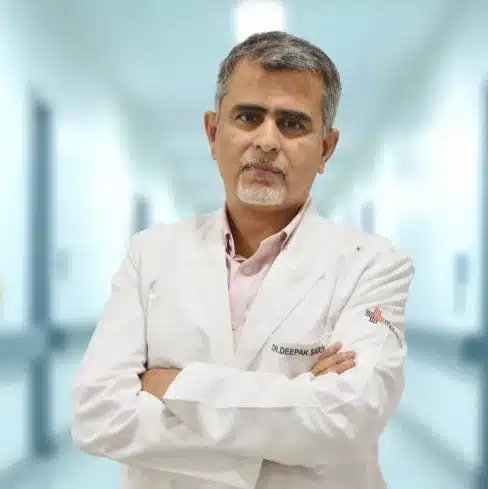
Specialists who perform this

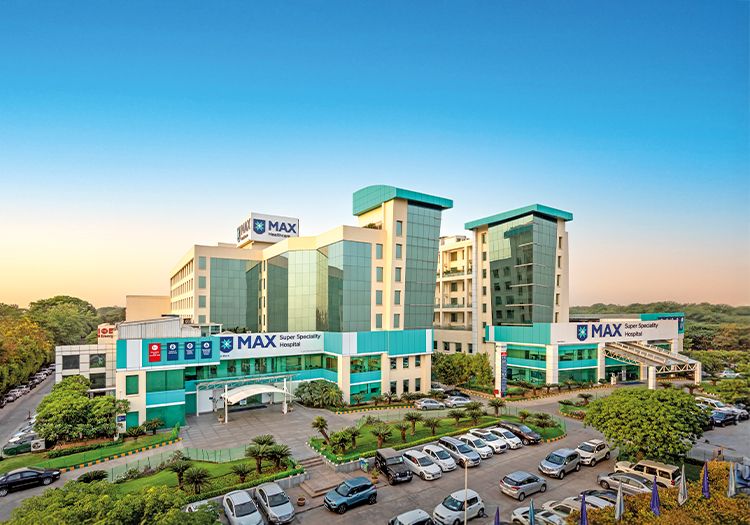
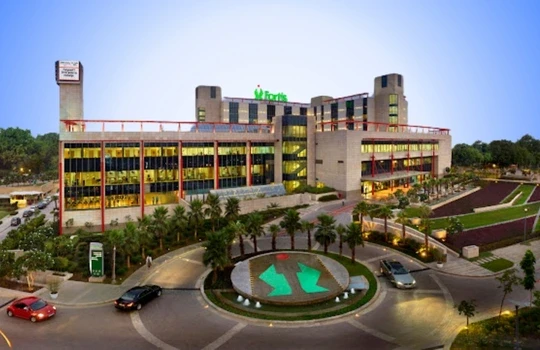
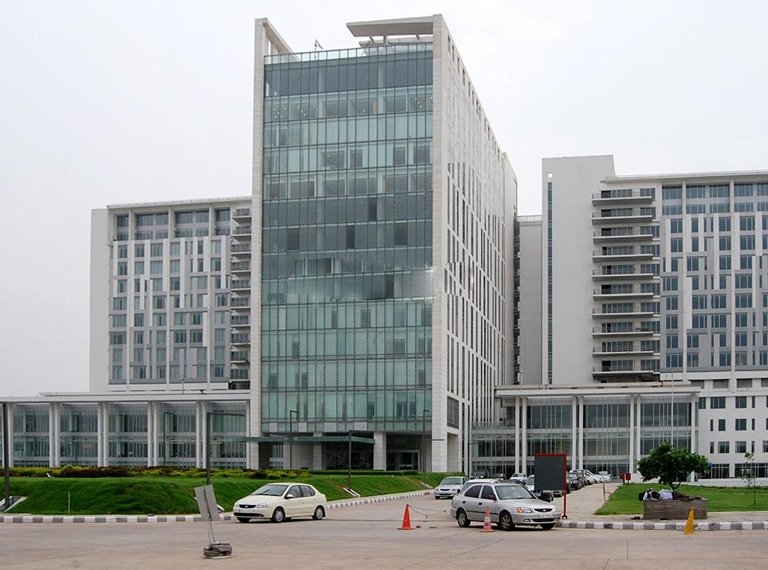
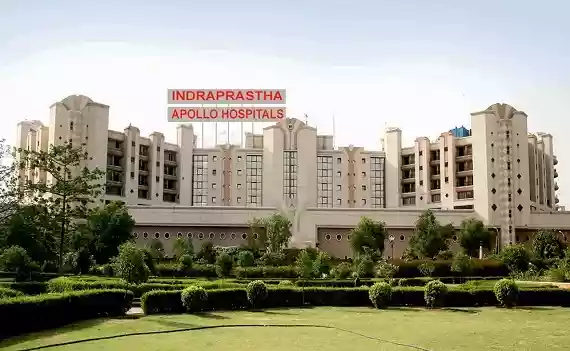
Where it is done
Frequently asked questions

Do I need thyroid surgery before this treatment?
Yes. Radioactive iodine therapy for thyroid cancer is given after thyroidectomy, to destroy any remaining thyroid tissue or cancer cells, not as a standalone treatment before surgery.
How many doses will I need?
Most patients need one to three doses depending on their cancer stage and how their body responds, confirmed through follow-up scans and blood tests after each dose.
Will I need to be isolated after treatment?
This depends on your dose. Lower doses may only need a few days of precautions at home; higher therapeutic doses require a short stay in an isolation room and continued precautions afterward, all explained clearly before you're discharged.
Is this treatment painful?
No. The dose itself is simply swallowed as a capsule or liquid. Any discomfort, such as neck tenderness or mild nausea, is generally mild and temporary.
How long do I need to stay in India?
Around 5-7 days in total, covering preparation, the dose itself, any required isolation period, and a post-treatment scan before you travel home.
Can I fly home right after treatment?
This depends on your specific dose and the precautions given at discharge, since some doses require a longer period before it's advisable to fly. Our team helps plan your travel dates around this.
Why is this treatment so much cheaper in India than in my home country?
Lower hospital overheads and nuclear medicine facility costs bring the price down significantly, not the treatment itself, which follows the same radiation safety and dosing standards used internationally.

What would your Radioactive Iodine Therapy for Thyroid Cancer cost?

Send your reports and a senior specialist sends back a written plan with costs within 24 hours. Free, with no obligation.