
Head & Neck Cancer Surgery in India
Also known as Oral cancer surgery cost India, thyroid cancer surgery cost India, laryngeal cancer surgery, neck dissection surgery, tongue cancer surgery, throat cancer surgery India
The short answer
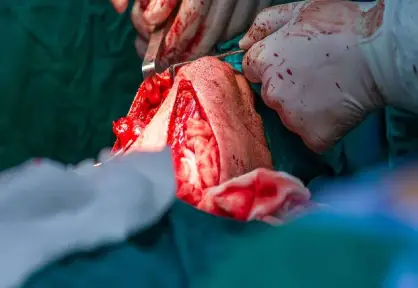
Head and neck cancer surgery in India costs between $4,000 and $10,000, against $40,000 to $100,000 in Western countries. This covers surgery for cancers of the mouth, tongue, throat, larynx, thyroid, and salivary glands, and often includes removal of nearby lymph nodes in the neck to check for spread.
About Head & Neck Cancer Surgery
Head and neck cancer covers a group of cancers arising in the mouth, tongue, throat (pharynx and larynx), thyroid, salivary glands, and sinuses. Surgery is a primary treatment for many of these cancers, particularly when detected early, and the specific operation depends heavily on where the tumor is and how far it has spread.
Common types of surgery
For oral and tongue cancers, surgery removes the tumor with a margin of healthy tissue, sometimes requiring reconstruction if a significant portion of tissue is removed. For laryngeal (voice box) cancer, surgery can range from removing part of the larynx to a total laryngectomy for more advanced cases, which affects natural speech and requires alternative voice methods afterward. Thyroid cancer surgery typically involves removing part or all of the thyroid gland, and generally has a favourable outlook compared to other head and neck cancers. Salivary gland tumors are removed along with surrounding tissue, with care taken to protect nearby facial nerves.
Neck dissection
Because head and neck cancers often spread first to lymph nodes in the neck, a neck dissection, removing some or all of the lymph nodes on one or both sides of the neck, is frequently performed alongside the main tumor surgery. Whether this is needed, and how extensive it needs to be, depends on imaging findings and the type and stage of the primary cancer.
Reconstruction and what to expect
For cancers involving the tongue, jaw, or throat, reconstruction using tissue from another part of the body may be needed to restore function and appearance. Recovery can affect speech, swallowing, or voice depending on the site and extent of surgery, and speech and swallowing therapy is often part of the recovery plan. Depending on the final pathology and stage, radiation or chemotherapy may be recommended after surgery.
Head & Neck Cancer Surgery cost
| Country | Indicative cost |
|---|---|
| India — with Nobel Medi Assistance | $4,000 – $6,000 |
Figures are indicative for international patients and depend on the hospital, the surgeon and your reports. Your exact cost is confirmed in writing after a specialist review — free, and with no obligation.
What the estimate covers
Included
- Head and neck surgeon and surgical team fees
- Operation theatre, anaesthesia, and standard surgical supplies
- Hospital stay for the planned duration
- Routine medicines during the hospital stay
- Post-operative nursing and wound care
- Pathology review of the removed tissue and lymph nodes
Not included
- Diagnostic workup (biopsy, imaging, staging scans) done before arrival in India
- Flights, visa and travel insurance for the patient and accompanying family
- Accommodation once discharged from hospital
- Reconstructive surgery using tissue from elsewhere in the body, if extensive reconstruction is needed
- Chemotherapy or radiation therapy, if recommended after surgery
- Speech and swallowing therapy beyond the initial hospital stay
- Long-term follow-up visits and scans after returning home
Specialists who perform this

Dr Surender Kumar Dabas
Oncology / Robotic Cancer Surgery 👑 22+ years
Dr Ruquaya Ahmad Mir
Oncology / Surgical Oncology 👑 20+ years
Dr Vedant Kabra
Oncology / Surgical Oncology 👑 28+ years
Dr. Jalaj Baxi
Surgical Oncology 👑 27+ years
Dr. Piyush Kumar Agarwal
Surgical Oncology 👑 24+ years
Dr. Deepak Sarin
ENT – Head & Neck Oncology Surgery 👑 30+ years
Dr. Dodul Mondal
Radiation Oncology 👑 22+ years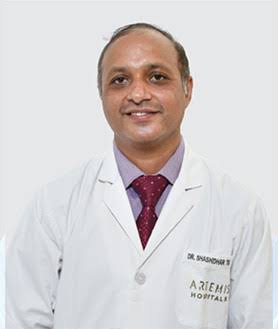
Dr. Shashidhar TB
ENT (Ear, Nose, Throat) 👑 19+ years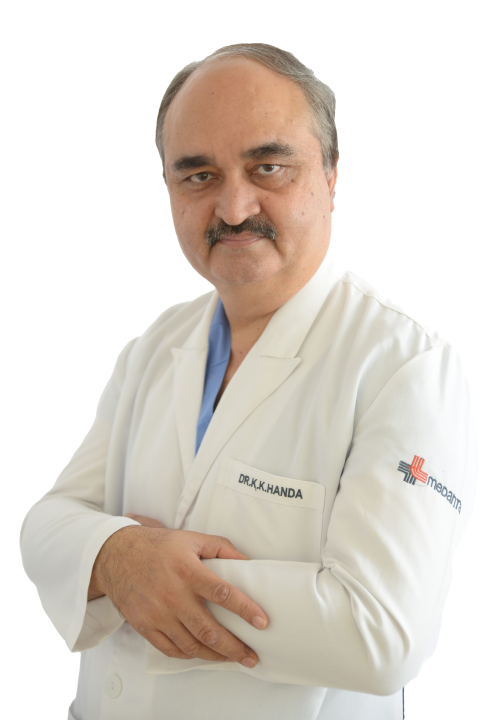
Dr. K. K. Handa
ENT (Ear, Nose, Throat) 👑 36+ years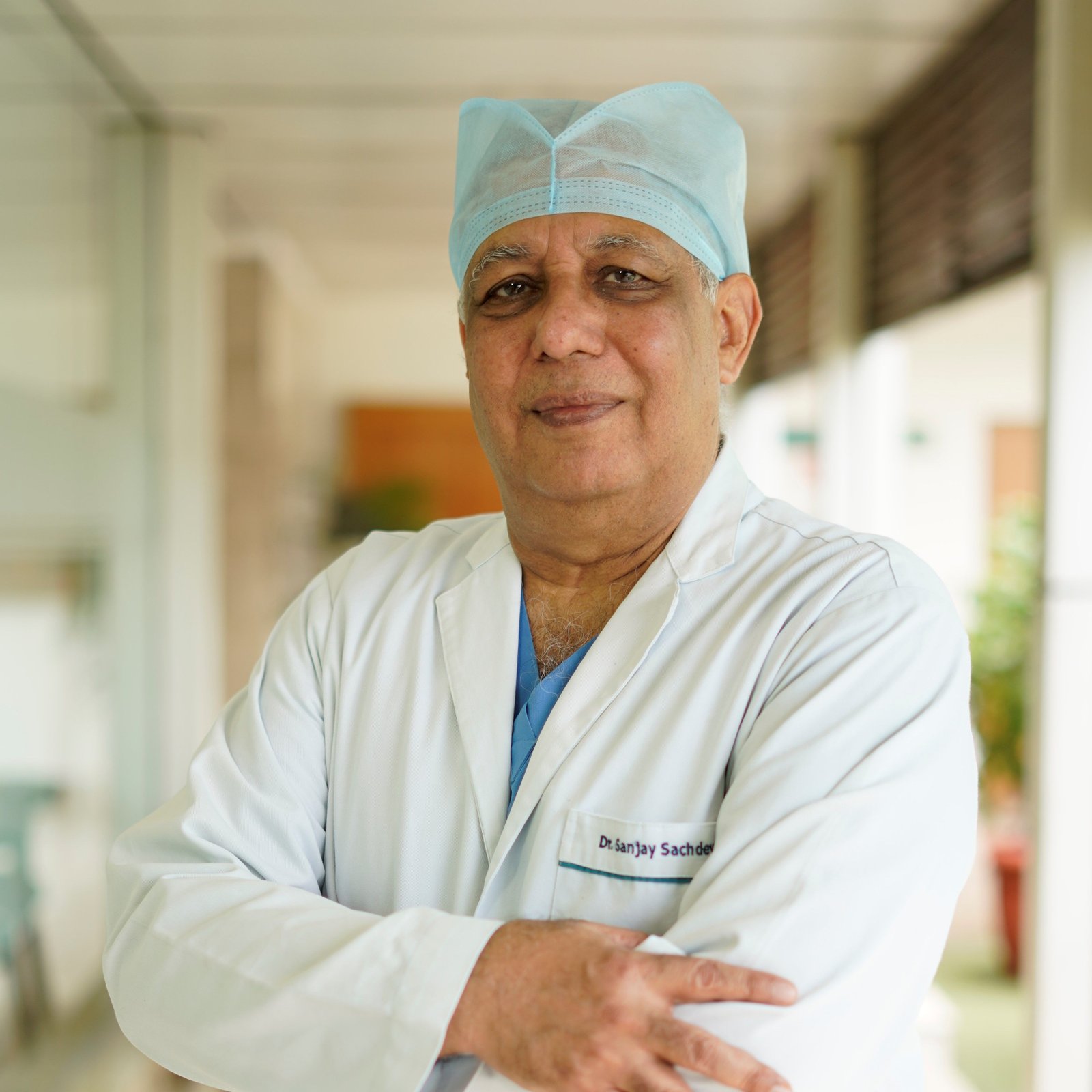
Dr. Sanjay Sachdeva
ENT (Ear, Nose, Throat) 👑 40+ years
Dr. Noor Ul Din Malik
ENT (Ear, Nose, Throat) 👑 14+ years
Dr. Anish Gupta
ENT (Ear, Nose, Throat) 👑 23+ yearsWhere it is done

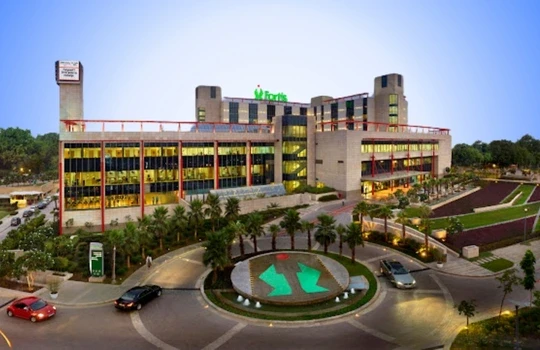
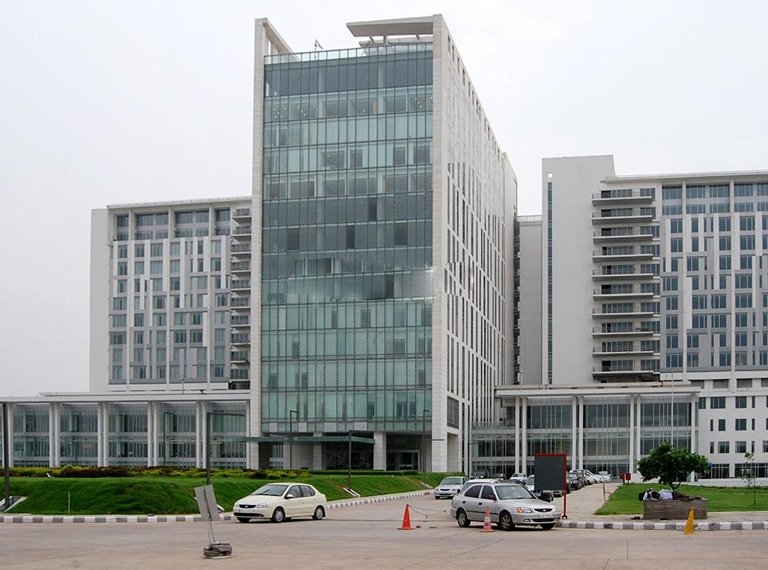
What would your Head & Neck Cancer Surgery cost?
Send your reports and a senior specialist sends back a written plan with costs within 24 hours. Free, with no obligation.