
ERCP (Endoscopic Retrograde Cholangiopancreatography) in India
Also known as ERCP, bile duct scope, ERCP with stent, endoscopic bile duct procedure
The short answer
ERCP in India costs between USD 400 and USD 2,800 for international patients, with a purely diagnostic procedure sitting at the lower end and stone removal or stent placement pushing it higher. It combines endoscopy and X-ray imaging to examine and treat the bile ducts and pancreatic duct, most often for gallstones stuck in the duct, duct narrowing, or blockages causing jaundice. Success rates run 90 to 95 percent for both diagnosis and common therapeutic interventions like stone removal and stenting.
About ERCP (Endoscopic Retrograde Cholangiopancreatography)
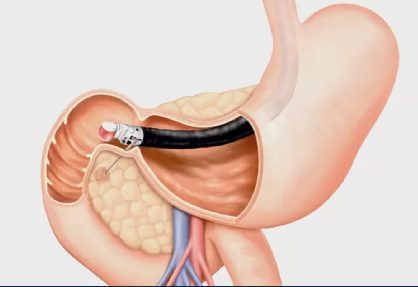
ERCP combines endoscopy with X-ray imaging to examine and treat the ducts that drain the liver, gallbladder, and pancreas. A flexible scope is passed through the mouth to the point where these ducts open into the small intestine, and a contrast dye is injected so blockages, stones, or narrowing show up clearly on X-ray, often treated in the same sitting.
Procedures Available
Diagnostic ERCP examines the bile and pancreatic ducts and can include a biopsy or brush cytology if cancer is suspected. Stone removal clears gallstones or pancreatic duct stones that have become lodged, often the same stones causing pain or jaundice. Stent placement widens a duct narrowed by a stricture or tumour, using a plastic or metal stent depending on the case. Sphincterotomy, a small cut to the muscle controlling duct opening, is frequently performed alongside these interventions to make stone removal or stent placement easier.
Cost
The estimate covers sedation, the procedure itself, and any intervention performed in the same sitting. A purely diagnostic ERCP sits at the lower end of the range, while stone removal, sphincterotomy, and especially metal stent placement add to the cost given the additional equipment and technique involved.
How Long the Trip Takes
Most patients plan for 3 to 4 days in India, covering pre-procedure imaging to confirm ERCP is the right next step, the procedure with a short hospital stay for monitoring, and a follow-up check before travelling home.
Choosing a Hospital
Choose a gastroenterology department with a high-volume ERCP practice specifically, since technical success and the risk of post-ERCP pancreatitis, the main complication, are closely tied to operator experience. Confirm in advance whether a stent, if placed, is meant to be temporary or will need a planned follow-up procedure for removal or exchange.
ERCP (Endoscopic Retrograde Cholangiopancreatography) cost
| Country | Indicative cost |
|---|---|
| India — with Nobel Medi Assistance | $150 – $500 |
Figures are indicative for international patients and depend on the hospital, the surgeon and your reports. Your exact cost is confirmed in writing after a specialist review — free, and with no obligation.
What the estimate covers
Included
- Pre-procedure consultation and imaging review
- Sedation or anaesthesia
- The ERCP procedure itself
- Sphincterotomy or stone removal, where performed
- Standard plastic stent, where used
- Follow-up consultation before discharge
Not included
- Flights and visa fees
- Accommodation outside the hospital
- Metal stent upgrade, where a plastic stent was originally quoted
- A planned follow-up procedure for stent exchange or removal
- Treatment for an underlying condition identified during the procedure, such as cancer
- Extended hospital stay if complications like pancreatitis arise
Specialists who perform this
Dr Ajay Kumar Kriplani
Gastrointestinal Surgeries 👑 44+ years
Dr Rakesh Durkhure
Bariatric & Minimal Access Surgery 👑 25+ years
Dr Adarsh Chaudhary
Gastrointestinal Surgeries 👑 45+ years
Dr Atul N.C. Peters
Gastrointestinal Surgeries 👑 26+ years
Dr Sandeep Aggarwal
Gastrointestinal Surgeries 👑 30+ years
Dr Mayank Manjul Madan
Gastrointestinal Surgeries 👑 24+ years
Dr Dinesh Singhal
Gastrointestinal Surgeries 👑 30+ yearsWhere it is done
What would your ERCP (Endoscopic Retrograde Cholangiopancreatography) cost?
Send your reports and a senior specialist sends back a written plan with costs within 24 hours. Free, with no obligation.