
Peripheral Artery Bypass Surgery in India
Also known as Leg bypass surgery, femoropopliteal bypass, fem-pop bypass, aortobifemoral bypass, femoral-tibial bypass
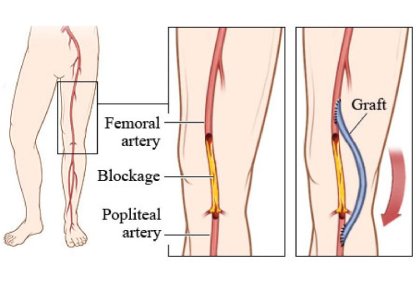
The short answer
Peripheral artery bypass surgery in India costs between USD 4,500 and USD 8,500 for international patients, a fraction of Western pricing for the same procedure. It reroutes blood flow around a blocked leg artery using a graft, relieving pain, healing wounds, and helping avoid amputation in advanced peripheral artery disease. Graft patency runs 80 to 95 percent at one year, with the exact figure depending on which artery is bypassed.
About Peripheral Artery Bypass Surgery
Peripheral artery bypass surgery restores blood flow to the leg by rerouting it around a blocked or severely narrowed artery, using either the patient's own vein or a synthetic graft. It is used for advanced peripheral artery disease that causes pain at rest, non-healing wounds, or a genuine risk of limb loss, generally after medication and less invasive options have not resolved the blockage.
Procedures Available
Femoropopliteal (fem-pop) bypass, the most common type, treats blockages in the thigh artery above or below the knee. Femoral-tibial bypass, also called distal bypass, treats blockages further down in the lower leg. Aortobifemoral bypass treats larger blockages higher up, in the abdomen and groin, and generally shows the strongest long-term patency of the bypass types. The graft itself is usually the patient's own saphenous vein where suitable, since this tends to stay open longer than a synthetic graft, though synthetic material is used when a suitable vein isn't available.
Cost
The estimate covers evaluation, the surgery, anaesthesia, and hospital stay through discharge. Aortobifemoral bypass, given its larger scope and more extensive dissection, generally costs more than a fem-pop or femoral-tibial bypass. Using a synthetic graft instead of the patient's own vein can also affect the total cost depending on the material chosen.
How Long the Trip Takes
Most patients plan for 12 to 16 days in India, covering vascular imaging and evaluation, 5 to 7 days in hospital after surgery, and a follow-up period to confirm wound healing and graft function with an ultrasound before travelling home.
Choosing a Hospital
Choose a vascular surgery team with high peripheral bypass volumes specifically, since outcomes and graft longevity depend heavily on surgical technique and case selection. Ask what graft material is planned and why, since using the patient's own vein where possible generally offers better long-term results than a synthetic alternative.
Peripheral Artery Bypass Surgery cost
| Country | Indicative cost |
|---|---|
| India — with Nobel Medi Assistance | $4,500 – $12,000 |
Figures are indicative for international patients and depend on the hospital, the surgeon and your reports. Your exact cost is confirmed in writing after a specialist review — free, and with no obligation.
What the estimate covers
Included
- Pre-operative vascular imaging and evaluation
- Surgeon and anaesthesia fees
- Operation theatre charges
- The graft material used
- Hospital stay through discharge
- Follow-up consultation and ultrasound before discharge
Not included
- Flights and visa fees
- Accommodation outside the hospital
- Endovascular intervention, if added alongside or instead of open bypass
- Wound care or a skin graft, if a non-healing wound is also being treated
- Repeat surgery, if the graft narrows or blocks over time
- Extended ICU or hospital stay if complications arise
Specialists who perform this

Dr Kumud Rai
Vascular & Endovascular Surgery 👑 44+ years
Dr C.P.S. Chauhan
Interventional Radiology / Vascular Surgery 👑 29+ years
Dr Himanshu Verma
Vascular & Endovascular Surgery 👑 17+ years
Dr Rakesh Mahajan
Vascular & Endovascular Surgery 👑 36+ years
Dr Rajiv Parakh
Vascular & Endovascular Surgery 👑 40+ yearsWhere it is done

What would your Peripheral Artery Bypass Surgery cost?
Send your reports and a senior specialist sends back a written plan with costs within 24 hours. Free, with no obligation.