
Renal Artery Angioplasty and Stenting in India
Also known as Renal angioplasty, renal artery stenting, renal artery stenosis treatment
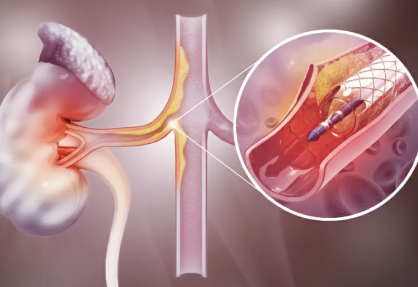
The short answer
Renal artery angioplasty and stenting in India costs between USD 1,800 and USD 3,500 for international patients, a fraction of Western pricing for the same procedure. It widens a narrowed renal artery to improve blood flow to the kidney, most often used for hard-to-control high blood pressure or declining kidney function linked to renal artery stenosis. Technical success in opening the artery runs above 95 percent, though improvement in blood pressure control varies more, since not every patient's hypertension is driven primarily by the narrowing.
About Renal Artery Angioplasty and Stenting
Renal artery angioplasty and stenting treats renal artery stenosis, a narrowing of the artery supplying blood to the kidney, most commonly caused by atherosclerosis or, in younger patients, a condition called fibromuscular dysplasia. A catheter with a balloon widens the narrowed section, and a small mesh stent is usually left in place to keep the artery open.
Procedures Available
Balloon angioplasty alone widens the artery without leaving anything behind, and is more commonly used for fibromuscular dysplasia than atherosclerotic narrowing. Angioplasty with stenting, the more common approach for atherosclerotic stenosis, places a stent after the balloon widens the artery to reduce the chance of the narrowing recurring. The choice between the two depends on the underlying cause and location of the narrowing.
Cost
The estimate covers pre-procedure imaging, the procedure itself, the stent if used, and hospital monitoring. It is important to set realistic expectations here: while the procedure reliably opens the narrowed artery, whether this meaningfully improves blood pressure or kidney function depends on how much of the patient's condition the stenosis was actually driving, which is why careful patient selection matters more than the procedure's technical success rate.
How Long the Trip Takes
Most patients plan for 5 to 7 days in India, covering imaging to confirm the stenosis and plan the approach, the procedure with a short hospital stay, and a follow-up check before travelling home.
Choosing a Hospital
Choose a centre with an interventional radiology or vascular team experienced specifically in renal intervention, since careful patient selection, confirming the stenosis is genuinely the main driver of the blood pressure or kidney issue, matters more here than in many other vascular procedures. Ask what criteria were used to recommend the procedure over continued medical management alone.
Renal Artery Angioplasty and Stenting cost
| Country | Indicative cost |
|---|---|
| India — with Nobel Medi Assistance | $1,800 – $5,000 |
Figures are indicative for international patients and depend on the hospital, the surgeon and your reports. Your exact cost is confirmed in writing after a specialist review — free, and with no obligation.
What the estimate covers
Included
- Pre-procedure imaging and evaluation
- Interventional radiologist or vascular specialist fees
- The balloon catheter and stent, where used
- Local anaesthesia and sedation
- Hospital stay for monitoring
- Follow-up consultation before discharge
Not included
- Flights and visa fees
- Accommodation outside the hospital
- Repeat intervention, if the artery narrows again over time
- Ongoing blood pressure medication after discharge
- Treatment for underlying atherosclerosis elsewhere in the body
- Extended hospital stay if complications arise
Specialists who perform this

Dr Kumud Rai
Vascular & Endovascular Surgery 👑 44+ years
Dr C.P.S. Chauhan
Interventional Radiology / Vascular Surgery 👑 29+ years
Dr Himanshu Verma
Vascular & Endovascular Surgery 👑 17+ years
Dr Rakesh Mahajan
Vascular & Endovascular Surgery 👑 36+ years
Dr Nitish Anchal
Vascular & Endovascular Surgery 👑 18+ years
Dr Rajiv Parakh
Vascular & Endovascular Surgery 👑 40+ yearsWhere it is done
What would your Renal Artery Angioplasty and Stenting cost?
Send your reports and a senior specialist sends back a written plan with costs within 24 hours. Free, with no obligation.