24/7 patient support Free consultation →

Rectal Cancer Surgery in India

Also known as Low anterior resection, LAR, abdominoperineal resection, APR, rectal resection, colorectal cancer surgery, pelvic exenteration
Rectal Cancer Surgery in India
Cost from$6,000 – $12,000 In hospital7-9 days Stay in Indiaabout 18-21 days Success85-95% Procedure time3-5 hours AnaesthesiaGeneral Opinion in24 hours

The short answer

Rectal cancer surgery in India costs between $6,000 and $12,000, against $80,000 to $150,000 in the US. Surgeons remove the cancerous section of the rectum, either reconnecting the bowel (LAR) or, for lower tumours, removing the rectum and anus entirely with a permanent colostomy (APR), using open, laparoscopic or robotic technique depending on the case.

About Rectal Cancer Surgery

Rectal cancer surgery removes the cancerous section of the rectum, the final part of the large intestine, along with surrounding lymph nodes, to treat the disease and reduce the risk of it spreading or returning. The specific operation performed depends mainly on where in the rectum the tumour is located, which determines whether the bowel can be reconnected or not.

Low anterior resection (LAR) vs abdominoperineal resection (APR)

Low anterior resection is used for cancers in the upper or middle rectum. The cancerous section is removed and the remaining rectum is reconnected to the colon, preserving normal bowel function in most cases, sometimes with a temporary colostomy while the new connection heals. Abdominoperineal resection is needed for cancers in the lower rectum, close to the anus, where there is not enough healthy rectum left to reconnect. This removes the rectum and anus entirely and requires a permanent colostomy, an opening in the abdomen through which waste is passed into an external bag.

Pelvic exenteration for advanced cases

For more advanced rectal cancers that have grown into nearby structures, a more extensive surgery called pelvic exenteration may be needed, removing the rectum along with other pelvic organs such as the bladder, prostate, or parts of the reproductive organs, depending on what the cancer has invaded. This is reserved for specific advanced cases and is a considerably larger operation than standard LAR or APR.

Neoadjuvant treatment before surgery

Many rectal cancer patients, particularly those with locally advanced tumours, receive chemotherapy and radiation before surgery, called neoadjuvant treatment, to shrink the tumour and improve the chances of a complete surgical removal. Whether this applies to you depends on your specific stage and tumour characteristics, confirmed through imaging and biopsy before a treatment plan is finalised.

Open, laparoscopic, or robotic surgery

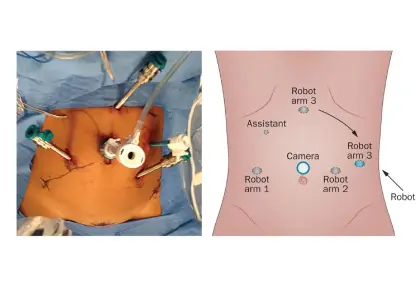
Rectal cancer surgery can be performed as open surgery through a larger abdominal incision, or through minimally invasive laparoscopic or robotic technique using small incisions and a camera. Where suitable, minimally invasive approaches generally mean less pain, a shorter hospital stay and faster recovery, though the choice depends on tumour location, size and the complexity of your specific case.

Why patients choose India for this

Save 85-90% on the same surgical standard

Partner hospitals offer the same open, laparoscopic and robotic rectal cancer surgery techniques used internationally, at a fraction of the cost.

Colorectal surgical oncologists with real case volume

Rectal cancer surgery is technically demanding, especially in the lower rectum; our partner surgeons handle a meaningful volume of LAR, APR and complex pelvic cases, not occasional referrals.

Multidisciplinary tumour board approach

Rectal cancer treatment often needs surgery, chemotherapy and radiation working together; partner hospitals coordinate these specialties so your treatment sequence is planned as a whole, not decided department by department.

Support for colostomy and life after surgery

Where a colostomy is needed, partner hospitals provide dedicated stoma care training and counselling before discharge, so patients and families leave confident in managing daily life afterward.

Rectal Cancer Surgery cost

CountryIndicative cost
India — with Nobel Medi Assistance $6,000 – $12,000
United States$80,000 - $150,000
United Kingdom$38,000 - $63,000
UAE / Middle East$35,000 - $60,000
Singapore$40,000 - $65,000

Figures are indicative for international patients and depend on the hospital, the surgeon and your reports. Your exact cost is confirmed in writing after a specialist review — free, and with no obligation.

What the estimate covers

Included

  • Colorectal surgical oncologist and surgical team fees
  • Operation theatre and anaesthesia charges
  • Hospital stay in ICU/ward for the planned duration
  • Routine medicines during the hospital stay
  • Nursing and stoma care training if a colostomy is required
  • Pathology assessment of removed tissue and lymph nodes
  • Post-operative imaging to confirm healing before discharge

Not included

  • Diagnostic workup, biopsy and staging scans done before arrival in India
  • Neoadjuvant chemotherapy or radiation before surgery, if recommended
  • Flights, visa and travel insurance
  • Accommodation for the recovery period after discharge
  • Treatment for complications unrelated to the surgery
  • Adjuvant chemotherapy or follow-up cancer treatment after returning home

How Rectal Cancer Surgery is done

  1. Consultation and reviewA colorectal surgical oncologist reviews your biopsy, staging scans and MRI remotely to confirm the diagnosis and likely surgical approach.
  2. Pre-operative workupOn arrival, staging imaging, blood work and fitness assessments confirm the tumour's exact location and extent, and finalise the surgical plan.
  3. Neoadjuvant treatment, if neededIf your case calls for chemotherapy or radiation before surgery, this is completed and the tumour is reassessed before scheduling the operation.
  4. Anaesthesia and accessUnder general anaesthesia, the surgeon accesses the abdomen and pelvis through open, laparoscopic or robotic technique, depending on your case.
  5. Removing the tumourThe cancerous section of the rectum, along with nearby lymph nodes, is removed and sent for pathological analysis.
  6. Reconnecting or diverting the bowelFor LAR, the remaining rectum is reconnected to the colon, sometimes with a temporary colostomy while healing occurs. For APR, a permanent colostomy is created.
  7. ICU/ward recovery and dischargeYou are monitored in the ICU or ward as needed, with stoma care training provided if relevant, before discharge with a follow-up and, if needed, adjuvant treatment plan.

Recovery and what to expect

  • First 24-48 hoursMonitored closely; pain management and early mobilisation are encouraged to support recovery and reduce complications.
  • Days 3-5Bowel function begins returning; diet is gradually reintroduced under supervision.
  • 7-9 daysDischarged from hospital once bowel function, wound healing and, if applicable, stoma care are on track.
  • 2-3 weeksContinued recovery at your accommodation in India, with a follow-up check and pathology review before flying home.
  • 6-8 weeksMost patients return to daily activity, with any recommended adjuvant chemotherapy or further treatment planned based on final pathology results.

Specialists who perform this

Where it is done

Frequently asked questions

Will I need a permanent colostomy?
This depends on where in the rectum your tumour is located. Cancers in the upper or middle rectum can often be treated with reconnection (LAR), while very low tumours may need a permanent colostomy (APR). Your surgeon confirms this after reviewing your imaging.
Will I need chemotherapy or radiation before surgery?
Many rectal cancer patients, particularly with more locally advanced tumours, receive chemotherapy and radiation first to shrink the tumour. Your oncology team confirms this as part of your treatment plan based on your staging.
What is the difference between LAR and APR?
LAR removes the cancerous section and reconnects the remaining rectum to the colon. APR removes the rectum and anus entirely, requiring a permanent colostomy, and is used when the tumour is too low to allow reconnection.
Is minimally invasive surgery available?
Where your tumour's size and location allow it, yes, laparoscopic or robotic surgery may be an option. Your surgeon will confirm during your pre-operative workup.
How long do I need to stay in India?
Around 18-21 days in total, to allow time for pre-operative workup, surgery, hospital recovery and a follow-up check before you travel home.
Will I need further treatment after surgery?
This depends on your final pathology results. Some patients need adjuvant chemotherapy after surgery to reduce the risk of recurrence; your oncology team will confirm this once results are available.
Why is rectal cancer surgery so much cheaper in India than in my home country?
Lower hospital overheads, surgeon fees and cost of living bring the price down significantly, not the surgical technique, which matches international standards including laparoscopic and robotic options.

What would your Rectal Cancer Surgery cost?

Send your reports and a senior specialist sends back a written plan with costs within 24 hours. Free, with no obligation.