24/7 patient support Free consultation →

Dialysis in India

Also known as Hemodialysis, peritoneal dialysis, renal replacement therapy, kidney dialysis
Dialysis in India
Cost from$30 – $100 In hospital0 (outpatient, per session) Stay in IndiaVaries — short-term visits for a defined course, or ongoing for patients relocating temporarily for treatment (e.g., pending transplant) SuccessNot applicable (dialysis is ongoing supportive therapy, not a curative procedure with a defined success rate) Procedure time3-4 hours per hemodialysis session AnaesthesiaNone Opinion in24 hours

The short answer

Dialysis in India costs USD 30–100 per hemodialysis session, among the most affordable in the world. It's an outpatient treatment for patients with kidney failure, typically required 2-3 times a week, with peritoneal dialysis also available as a home-based alternative for eligible patients.

About Dialysis

Dialysis is a life-sustaining treatment that artificially performs the kidney's function of filtering waste products, excess fluid, and toxins from the blood when the kidneys can no longer do so adequately. It is used in acute kidney injury and chronic kidney disease (end-stage renal disease), either as a bridge to transplant or as long-term maintenance therapy.

Who it is for

Recommended for patients with advanced chronic kidney disease or acute kidney failure whose kidney function has dropped to a level where waste and fluid buildup threaten health, typically indicated by lab markers such as GFR and creatinine levels alongside clinical symptoms.

What happens during treatment

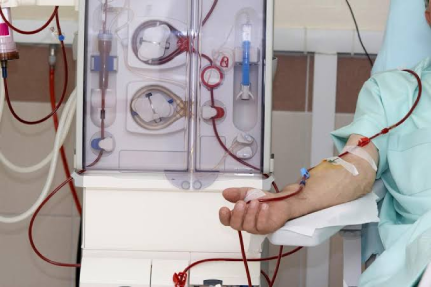
In hemodialysis, blood is filtered through a dialysis machine via an access point (fistula, graft, or catheter) and returned to the body, usually over 3-4 hours per session, 2-3 times weekly. In peritoneal dialysis, a catheter placed in the abdomen allows fluid exchange within the peritoneal cavity, often performed daily at home.

Why patients choose India for this

Extensive dialysis network

Wide availability of dialysis centers across major cities and Tier-2 towns, including hospital-based and standalone units

Experienced nephrology teams

High patient volumes give nephrologists and dialysis technicians deep experience managing complex cases

Lowest-cost dialysis globally

Per-session costs are a fraction of Western countries, making sustained long-term therapy far more affordable

Flexible treatment options

Access to both hemodialysis and peritoneal dialysis, allowing treatment tailored to lifestyle and medical needs

Dialysis cost

CountryIndicative cost
India — with Nobel Medi Assistance $30 – $100
United States$300 - $500 per session
United Kingdom£200 - £350 per session
UAE$150 - $250 per session

Figures are indicative for international patients and depend on the hospital, the surgeon and your reports. Your exact cost is confirmed in writing after a specialist review — free, and with no obligation.

What the estimate covers

Included

  • Dialysis session (machine time, dialyzer, consumables)
  • Nursing and technician supervision
  • Basic vital monitoring during session

Not included

  • Nephrologist consultation fees
  • Vascular access creation (fistula/graft/catheter placement) if needed
  • Medications (e.g., erythropoietin, phosphate binders)
  • Travel and accommodation
  • Long-term lab monitoring and follow-up visits

How Dialysis is done

  1. Nephrology assessmentNephrologist evaluates kidney function, fluid status, and overall health to confirm need and frequency of dialysis
  2. Vascular or peritoneal accessA fistula, graft, or catheter is created for hemodialysis, or a peritoneal catheter placed for peritoneal dialysis
  3. Dialysis sessionBlood is filtered through the dialysis machine (hemodialysis) or fluid exchanged in the abdomen (peritoneal dialysis)
  4. Monitoring during sessionVital signs, blood pressure, and fluid removal are monitored throughout
  5. Post-session reviewNephrologist reviews response and adjusts the dialysis prescription as needed over subsequent sessions

Recovery and what to expect

  • After each sessionMild fatigue or lightheadedness is common; most patients resume normal activity within hours
  • First 1-2 weeksAccess site (fistula/catheter) heals; dialysis schedule is fine-tuned based on lab results
  • OngoingRegular sessions continue indefinitely (2-3 times/week for hemodialysis, daily for peritoneal dialysis) unless a transplant becomes available

Specialists who perform this

Where it is done

Frequently asked questions

How often will I need dialysis?
Most hemodialysis patients need sessions 2-3 times a week; peritoneal dialysis is typically done daily at home.
Is dialysis a permanent treatment?
For chronic kidney disease, dialysis is usually ongoing unless the patient receives a kidney transplant; for acute kidney injury, it may be temporary until kidney function recovers.
What is the difference between hemodialysis and peritoneal dialysis?
Hemodialysis filters blood through a machine at a center, while peritoneal dialysis uses the lining of the abdomen to filter waste, often done at home.
Can international patients receive ongoing dialysis while traveling in India?
Yes — many centers offer short-term dialysis packages for patients visiting for other treatments or awaiting transplant evaluation.
Is dialysis painful?
The needle insertion for hemodialysis access causes brief discomfort; the session itself is generally painless, though some patients experience cramping or fatigue.
What diet restrictions come with dialysis?
Patients are typically advised to limit potassium, phosphorus, sodium, and fluid intake; a renal dietitian usually provides personalized guidance.
Can dialysis be combined with preparation for a kidney transplant?
Yes — many patients undergo dialysis while being evaluated for or awaiting a kidney transplant.
How is vascular access for hemodialysis created?
Typically through a minor surgical procedure to create a fistula or graft in the arm, or by placing a temporary catheter for urgent need.

What would your Dialysis cost?

Send your reports and a senior specialist sends back a written plan with costs within 24 hours. Free, with no obligation.